
Technology
Supreme Court’s TikTok Ruling May Empower Trump’s Administration

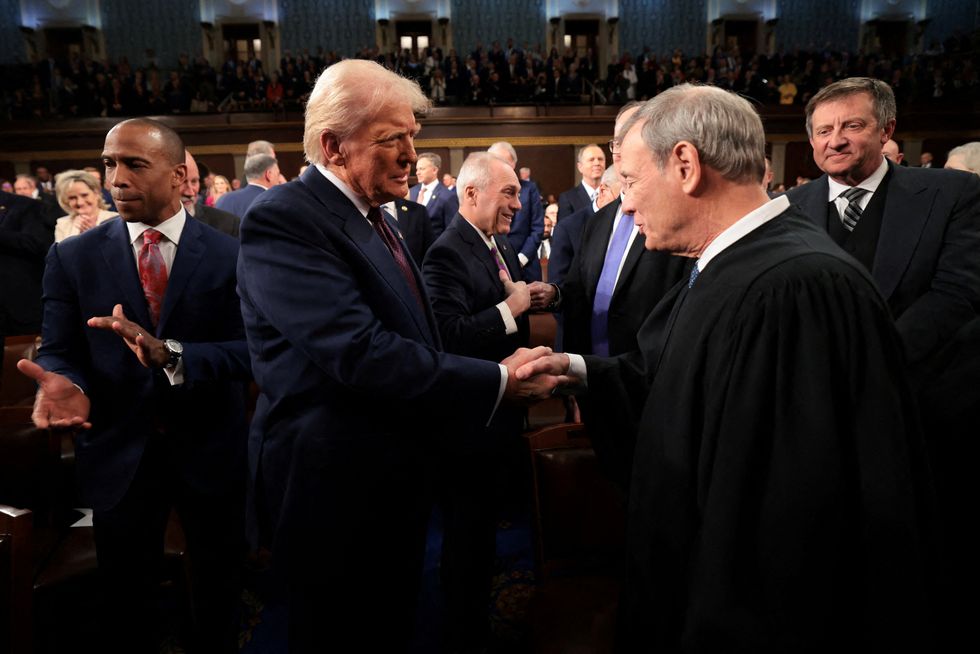
The recent decision by the Supreme Court to support President Donald Trump’s attempts to ban the Chinese social media app TikTok has raised significant concerns. Critics argue that the ruling may have inadvertently granted the Trump administration authority that the Constitution typically restricts. Columnists Evelyn Douek and Jameel Jaffer expressed their views in an op-ed published in the Guardian on October 30, 2023.
In their analysis, Douek and Jaffer contend that the court failed to adequately scrutinize the government’s national security claims. They believe that the decision reflects a troubling trend of the government leveraging national security arguments to gain power that the Constitution should limit. They wrote, “If the court had carefully scrutinized the government’s national security arguments, it would have seen that the TikTok ban… is actually just a familiar example of the government exploiting the rhetoric of national security.”
During his presidency, Trump and some members of Congress made efforts to ban TikTok, citing concerns that the Chinese government was collecting data on American users. This narrative was bolstered by ongoing geopolitical tensions, particularly as TikTok has been criticized for its portrayal of events, including the Israeli military actions in Gaza. Some political figures have expressed concern that such content could influence public opinion among young Americans regarding Israel.
Since 2024, Trump has shifted his stance, working to prevent a ban on TikTok. The Supreme Court’s ruling, which accepted the argument that TikTok posed a national security threat, has disappointed many critics who view it as a violation of the First Amendment. Douek and Jaffer are among those who believe that the ban itself could create a significant national security risk by allowing the government to exert excessive influence over online public discourse.
Implications of the Ruling
The court’s decision raises important questions about the balance between national security and free speech. Douek and Jaffer assert that the ruling should inform the Supreme Court’s future considerations of cases where the government claims that national security necessitates the suppression of speech. They argue that the court’s analysis should be “haunted by the TikTok case and its embarrassing, scandalous coda.”
In a related development, the Trump administration appears to be negotiating a deal with Oracle Corporation, a company founded by Larry Ellison, a prominent supporter of Trump and Israel. This deal would involve Oracle taking a majority stake in TikTok’s U.S. operations. Recent trends on the platform show increased censorship of content related to Israel, raising further concerns about the implications of the court’s ruling.
Trump initially proposed a TikTok ban in 2020, but legal challenges prevented its implementation. In 2024, former President Joe Biden enacted legislation requiring TikTok’s parent company, ByteDance, to divest its interests in the app or face a ban. However, after reclaiming the presidency, Trump postponed enforcement of this requirement multiple times, effectively granting him the authority to shut down the app at any moment.
This unfolding situation underscores the complexities surrounding national security, free speech, and the influence of social media platforms on public opinion. As the Supreme Court prepares to hear more cases related to these themes, the implications of the TikTok ruling will likely be a focal point for ongoing legal and political discussions.








Community Honors Jane Morris with Celebration of Life Service

NASA Tests Innovative CryoFILL System for Future Space Missions

CMS to Address Healthcare Fraud in Congressional Hearing

Heat Pumps Transform Heating and Cooling in Grand County

Indian River State College Hosts Free Open Houses This Spring

Louis Vuitton and Miu Miu Present Distinct Visions at Paris Fashion Week

Western Nevada College Faculty Members Awarded Tenure by Regents

Elwyn Raymond Van Enwyck, 98, Remembered for Kindness and Service

Blood Test Could Forecast Alzheimer’s Risk Up to 25 Years Ahead

Nostradamus’ 2026 Predictions: Star Death and Dark Events Loom

Breakthroughs and Challenges Await Science in 2026

OpenAI to Implement Age Verification for ChatGPT by December 2025

Electric Moto Influencer Surronster Arrested in Tijuana

Discover the Top 10 Calorie Counting Apps of 2025

Bella Hadid Shares Health Update After Treatment for Lyme Disease

Analysts Project Stronger Growth for Apple’s iPhone 17 Lineup

Top 10 Penny Stocks to Watch in 2026 for Strong Returns

Japanese Study Finds Rose Oil Can Increase Brain Gray Matter
-
 Science2 months ago
Nostradamus’ 2026 Predictions: Star Death and Dark Events Loom
-
 Science3 months ago
Breakthroughs and Challenges Await Science in 2026
-
 Technology3 months ago
OpenAI to Implement Age Verification for ChatGPT by December 2025
-
 Technology6 months ago
Electric Moto Influencer Surronster Arrested in Tijuana
-
 Technology8 months ago
Discover the Top 10 Calorie Counting Apps of 2025
-
 Health6 months ago
Bella Hadid Shares Health Update After Treatment for Lyme Disease
-
 Health6 months ago
Analysts Project Stronger Growth for Apple’s iPhone 17 Lineup
-
 Technology3 months ago
Top 10 Penny Stocks to Watch in 2026 for Strong Returns
-
 Health6 months ago
Japanese Study Finds Rose Oil Can Increase Brain Gray Matter
-

 Science5 months ago
Starship V3 Set for 2026 Launch After Successful Final Test of Version 2
-

 Education6 months ago
Harvard Secures Court Victory Over Federal Funding Cuts
-

 Health6 months ago
Erin Bates Shares Recovery Update Following Sepsis Complications