
Technology
Silicon Valley Innovates Family Planning with Genetic Screening

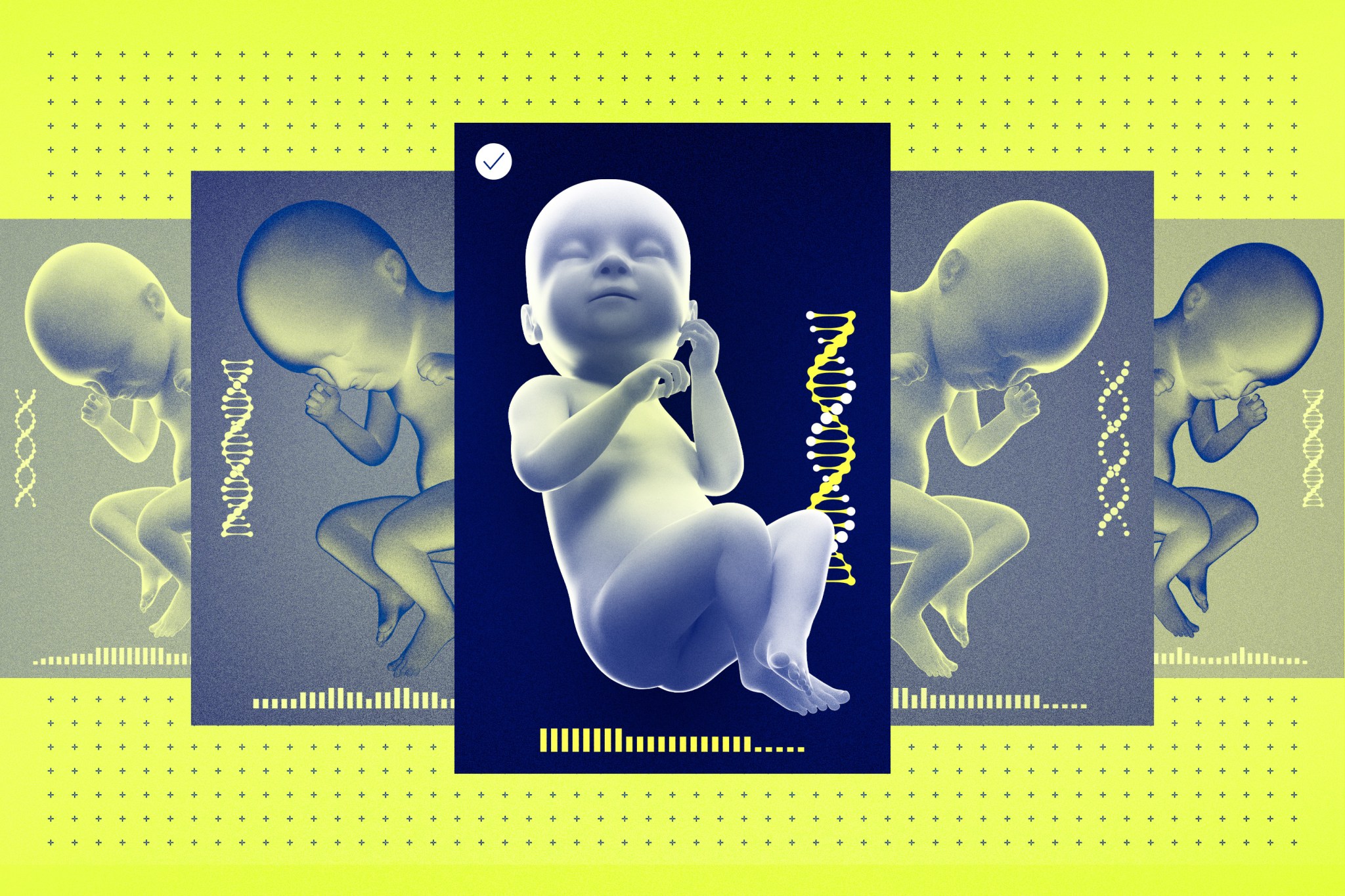
Silicon Valley is leading a transformative shift in family planning through advanced fertility technologies. Startups like Herasight are allowing prospective parents to screen embryos for a range of traits, including health risks and even physical attributes. This new approach to reproduction is not merely a futuristic idea; it is rapidly becoming a reality for many couples seeking to enhance their family planning.
At the core of this evolution is a blend of data science and reproductive technology. Founders of Herasight, including Michael Christensen, Tobias Wolfram, and Jonathan Anomaly, are leveraging genetic screening to inform their family planning decisions. For instance, Wolfram is keen on ensuring that mental health conditions do not pass to his future children, while Christensen wishes for shorter offspring to navigate commercial flights more comfortably.
The Bay Area, known for its wealth and technological innovation, is accelerating this trend. Couples are increasingly opting for in vitro fertilization (IVF) even when infertility is not an issue, investing significant amounts in embryo screening. These screenings can estimate the risk of inherited diseases, childhood cancers, and conditions ranging from schizophrenia to diabetes. Some firms even offer traits like height and intelligence as part of their service.
The global IVF industry is currently valued at approximately $28 billion, and investment in related technologies reached a record $2 billion in 2024, marking a 55% increase from the previous year. This surge in funding is fueling research into embryo selection and conception technologies. As Barry Behr, director of Stanford’s IVF lab, explains, many prospective parents are eager to understand the potential of their embryos, akin to early sex determination practices during pregnancy.
However, the rapid pace of innovation raises ethical questions and regulatory challenges. Rich Vaughn, a fertility lawyer, notes that technology often develops faster than legal frameworks can adapt. The controversial practice of embryo editing, which allows for genetic modifications before implantation, remains illegal in 70 countries. Yet, it is receiving significant financial backing, including from investors like Brian Armstrong, cofounder of Coinbase.
While some startups are focused on editing embryos to correct genetic mutations, others, such as Orchid Health, are concentrating on polygenic screening to prevent diseases. The technology available through these firms has become increasingly sophisticated, allowing for comprehensive genetic analysis of embryos. Orchid Health’s CEO, Noor Siddiqui, has developed a platform that scans for over 1,000 genetic diseases and provides parents with extensive information about potential health risks.
Parents are drawn to these technologies not only for genetic disease prevention but also for the potential to influence their children’s future. The idea of screening for traits such as intelligence or physical abilities has sparked a debate among ethicists. Hank Greely, a Stanford law professor, raises concerns about the societal implications of viewing children as products with measurable attributes.
Despite these concerns, many couples report positive experiences with embryo screening. For example, Roshan George and Julie Kang turned to Orchid Health after discovering a genetic mutation that could affect their child’s hearing. Their screening process culminated in relief when their newborn daughter passed her hearing test, affirming their decision to invest in genetic screening.
The conversation around these technologies continues to evolve. Parents like Victoria Fritz, who are using Herasight to screen embryos, express hope for healthy outcomes while acknowledging that screening cannot guarantee perfection. “Regardless of what embryo we choose, we will hopefully have a happy, healthy child,” she stated.
As advancements in genetic technology reshape family planning, the implications for future generations and society at large remain uncertain. The blend of aspiration, ethical considerations, and the quest for knowledge continues to drive this innovative landscape in Silicon Valley and beyond.













New Research Uncovers Chewing Gum’s Surprising Brain Benefits

1971 DeTomaso Pantera Auctioned: A Classic Mid-Engine Marvel

Discover 2025’s Most-Borrowed Titles and Exciting Events at Your Library

Stars Dazzle on the 2026 Golden Globes Red Carpet

NASA Expedites SpaceX Crew-11 Return Following Health Alert

Selma Launches New Podiatry Center to Enhance Specialty Care Access

New Jersey Faces Challenges as Federal Rules Weaken Nursing Home Care

Discover 12 Essential Types of Wire Connectors and Their Uses

Texas Longhorns Secure Top RB Hollywood Smothers from Alabama

Nostradamus’ 2026 Predictions: Star Death and Dark Events Loom

OpenAI to Implement Age Verification for ChatGPT by December 2025

Discover the Top 10 Calorie Counting Apps of 2025

Bella Hadid Shares Health Update After Treatment for Lyme Disease

Analysts Project Stronger Growth for Apple’s iPhone 17 Lineup

Erin Bates Shares Recovery Update Following Sepsis Complications

Electric Moto Influencer Surronster Arrested in Tijuana

Discover How to Reverse Image Search Using ChatGPT Effortlessly

Meta Initiates $60B AI Data Center Expansion, Starting in Ohio
-
 Science2 weeks ago
Nostradamus’ 2026 Predictions: Star Death and Dark Events Loom
-
 Technology1 month ago
OpenAI to Implement Age Verification for ChatGPT by December 2025
-
 Technology6 months ago
Discover the Top 10 Calorie Counting Apps of 2025
-
 Health4 months ago
Bella Hadid Shares Health Update After Treatment for Lyme Disease
-
 Health4 months ago
Analysts Project Stronger Growth for Apple’s iPhone 17 Lineup
-
 Health4 months ago
Erin Bates Shares Recovery Update Following Sepsis Complications
-
 Technology4 months ago
Electric Moto Influencer Surronster Arrested in Tijuana
-
 Technology5 months ago
Discover How to Reverse Image Search Using ChatGPT Effortlessly
-
 Technology6 months ago
Meta Initiates $60B AI Data Center Expansion, Starting in Ohio
-

 Technology6 months ago
Recovering a Suspended TikTok Account: A Step-by-Step Guide
-

 Education4 months ago
Harvard Secures Court Victory Over Federal Funding Cuts
-

 Technology2 months ago
Discover 2025’s Top GPUs for Exceptional 4K Gaming Performance