
Technology
EU Moves to Repeal 2035 Combustion Engine Ban to Aid Auto Sector

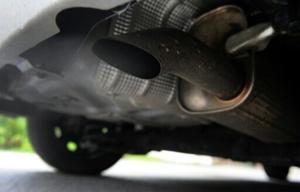
The European Union (EU) is poised to abandon its planned ban on new petrol and diesel cars by 2035. This decision is part of a broader reform package designed to bolster the struggling automotive sector in Europe. The anticipated announcement is set for Tuesday, marking a significant shift in the EU’s approach to vehicle emissions and fuel efficiency.
This development comes as the European auto industry faces mounting challenges, including declining sales and increased competition from electric vehicle manufacturers. The decision to scrap the combustion-engine ban reflects a growing recognition within the EU of the need to support traditional car manufacturers during a period of significant transition in the automotive market.
Impact on the Automotive Landscape
The scrapping of the 2035 ban will allow car manufacturers to continue producing petrol and diesel vehicles, which remain popular among consumers. According to recent industry reports, traditional combustion engines still account for a substantial share of new vehicle sales in Europe. The EU’s move aims to stabilize the market and protect jobs, particularly in countries heavily reliant on automotive manufacturing.
Industry leaders have welcomed the decision, viewing it as a necessary step to ensure the competitiveness of European car manufacturers. As major automotive players, including Volkswagen and Stellantis, navigate the shift towards electric vehicles, the EU’s reforms may provide them with needed flexibility in production.
The decision also highlights a balancing act for the EU, which has committed to reducing greenhouse gas emissions and promoting sustainable transport. While the repeal of the ban may offer short-term relief to the auto industry, it raises questions about the long-term goals of the EU’s climate policy.
Future Steps and Considerations
As the EU prepares for this significant policy shift, attention will turn to how it will align with broader environmental objectives. EU officials have indicated that they will continue to explore alternative measures to encourage a gradual transition to cleaner technologies. These may include incentives for electric vehicle production and infrastructure development to support electric mobility.
The announcement on Tuesday will be closely monitored by environmental groups and industry stakeholders alike. Many advocates for sustainable transport are concerned that this decision could undermine progress towards reducing carbon emissions from vehicles. They argue that a clear commitment to electric vehicles is essential for meeting both climate targets and consumer expectations in the long run.
In conclusion, the EU’s decision to scrap the 2035 ban on petrol and diesel cars marks a pivotal moment for the automotive industry. As Europe grapples with the complexities of transitioning to sustainable transport, the outcomes of this policy shift will have lasting implications for manufacturers, consumers, and the environment.












Ohio School District Aims to Exit Academic Distress Status

James Webb Space Telescope Unveils Earliest Galaxy Cluster Yet

Black Men Confront Prostate Cancer: Jerry McCormick’s Journey

OpenMind Unveils Innovative App Store for Robot Software

UGA Hosts Renowned Nobel and Pulitzer Winners for Spring Lectures

Scotland’s 13 Michelin Star Restaurants Gear Up for 2026 Guide

International Team Discovers New Dinosaur Foskeia pelendonum in Spain

Nebraska’s Miracle Quads Celebrate 18 Years of Joy

Stanford Daily Launches Volume 269 with New Editorial Team

Nostradamus’ 2026 Predictions: Star Death and Dark Events Loom

OpenAI to Implement Age Verification for ChatGPT by December 2025

Discover the Top 10 Calorie Counting Apps of 2025

Bella Hadid Shares Health Update After Treatment for Lyme Disease

Analysts Project Stronger Growth for Apple’s iPhone 17 Lineup

Electric Moto Influencer Surronster Arrested in Tijuana

Harvard Secures Court Victory Over Federal Funding Cuts

Erin Bates Shares Recovery Update Following Sepsis Complications

Meta Initiates $60B AI Data Center Expansion, Starting in Ohio
-
 Science1 month ago
Nostradamus’ 2026 Predictions: Star Death and Dark Events Loom
-
 Technology2 months ago
OpenAI to Implement Age Verification for ChatGPT by December 2025
-
 Technology7 months ago
Discover the Top 10 Calorie Counting Apps of 2025
-
 Health5 months ago
Bella Hadid Shares Health Update After Treatment for Lyme Disease
-
 Health5 months ago
Analysts Project Stronger Growth for Apple’s iPhone 17 Lineup
-
 Technology5 months ago
Electric Moto Influencer Surronster Arrested in Tijuana
-
 Education5 months ago
Harvard Secures Court Victory Over Federal Funding Cuts
-
 Health5 months ago
Erin Bates Shares Recovery Update Following Sepsis Complications
-
 Technology7 months ago
Meta Initiates $60B AI Data Center Expansion, Starting in Ohio
-

 Technology6 months ago
Discover How to Reverse Image Search Using ChatGPT Effortlessly
-

 Science4 months ago
Starship V3 Set for 2026 Launch After Successful Final Test of Version 2
-

 Technology7 months ago
Recovering a Suspended TikTok Account: A Step-by-Step Guide