
Technology
Discover Hot Rod Lingo: 10 Essential Terms Explained

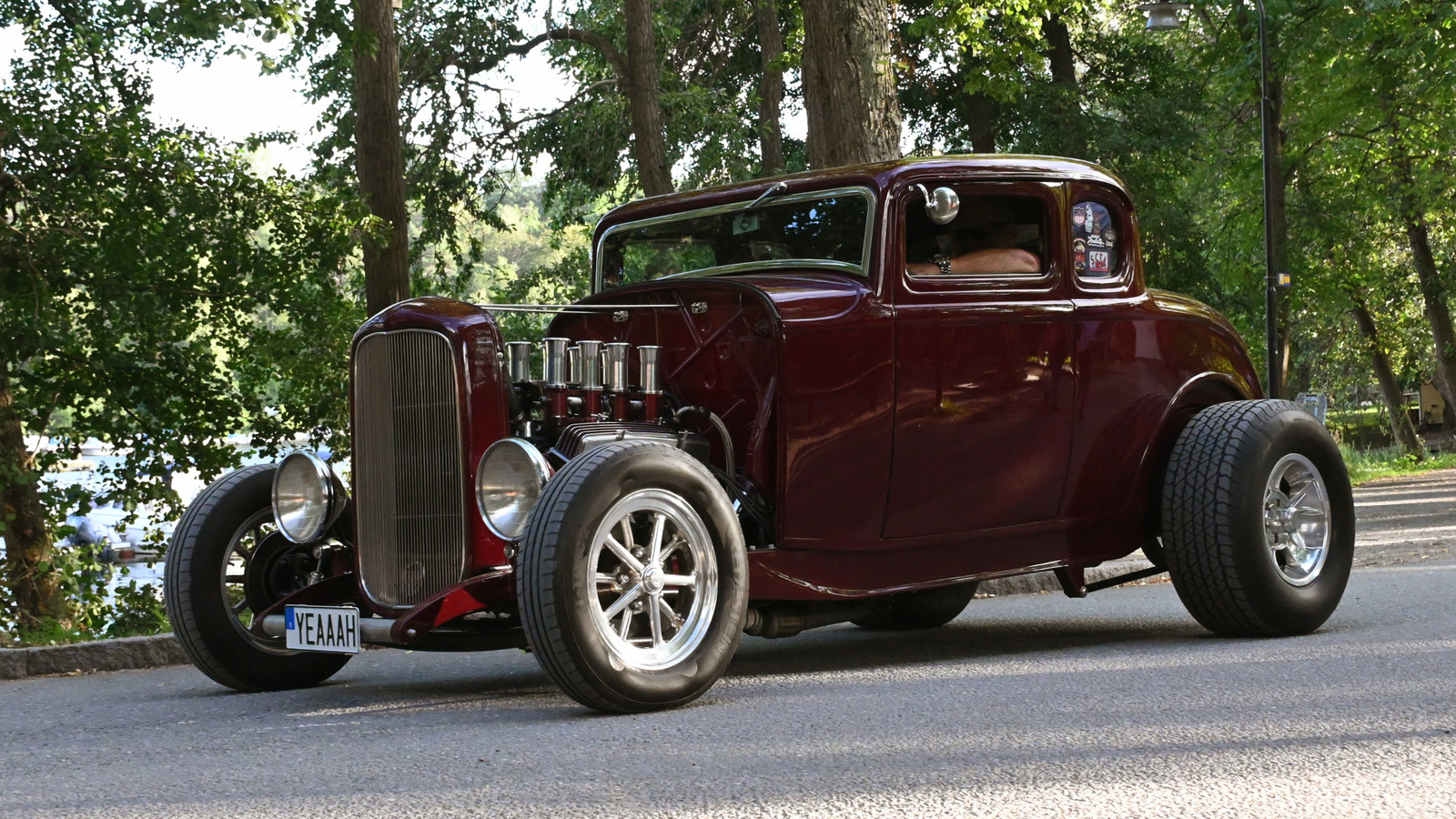
Building custom cars has captivated enthusiasts since Karl Benz introduced the Motorwagen in the late 19th century. The art of hot rodding, a uniquely American phenomenon, emerged in the 1920s and 1930s. Driven by a passion for speed and style, hobbyists began modifying factory cars, leading to a vibrant culture that continues to thrive today. With its passionate community, hot rodding has developed a distinct vocabulary that can perplex newcomers. Here are ten essential hot rod terms and their meanings, offering insight into this dynamic automotive culture.
Understanding Key Hot Rod Terms
**Boiling The Hides:** This term captures the essence of a good burnout, reflecting the thrill of heating tires to their limits. The phrase suggests an exhilarating experience rather than an invitation to a tannery. Historically, tires were made from leather, making the term poetic in its roots. Today, when someone asks a driver to “boil the hides,” they are eager for a display of power and performance, typically best executed at a race track.
**Channeling:** To enhance performance, many hot rodders modify their vehicles by channeling, which involves cutting out the car’s floor and lowering the body over the frame. This technique reduces wind resistance and gives the car an aggressive stance. On the West Coast, enthusiasts often chop the windshield as well, while East Coast builders typically maintain the original height. Channeling remains a popular method for achieving a customized look.
**Frenching:** This aesthetic modification involves recessing components like headlights and taillights into the vehicle’s body to create a sleek appearance. Originating in the 1930s, frenching was popularized during the following decades as builders sought to eliminate bezels and achieve a smooth finish. This technique continues to be a hallmark of hot rod design, particularly at car shows.
Performance and Style: More Hot Rod Terms
**Gasser:** Initially a term used in the 1950s and 1960s, “gasser” referred to street cars modified for drag racing, particularly in the “gas” class of the National Hot Rod Association. These vehicles featured significant modifications, such as repositioned engines and lightweight materials, to enhance speed and performance on the strip.
**Lead Sled:** This term refers to a specific style of hot rod, often built from late 1940s Mercury models. Characterized by a low, elongated body, lead sleds prioritize cruising comfort and style over sheer speed. The term was popularized by famed builder Sam Barris, who showcased his customized Mercury at the Oakland Roadster Show in 1950.
**One-Legger:** A one-legger is a vehicle with an open differential, meaning only one rear wheel receives power during acceleration. This term gained popularity from the film “My Cousin Vinnie,” where it was highlighted in a courtroom context. Car enthusiasts refer to such cars as peg-legs or dog-legs, emphasizing their performance limitations compared to vehicles equipped with positraction, which distributes power to both wheels.
**Snail/Hair Dryer:** Turbochargers, which boost engine power by forcing more air into the combustion chamber, are commonly referred to as “snails” in the hot rod community due to their distinctive shape. The term “hair dryer” is used humorously, as turbochargers blow air into the engine, much like a hair dryer blows air out.
**Slammed:** A slammed car is one that has been lowered to its absolute limit, creating a menacing and aggressive appearance. Achieving this look often involves sophisticated modifications, such as coilover suspension systems, which allow for safe adjustments to the vehicle’s ride height. While some enthusiasts take a more drastic approach by removing components, the goal remains the same: a striking, low profile.
**Zoomies:** Unlike traditional exhaust systems, which guide exhaust gases beneath the vehicle, zoomies feature exhaust pipes that emerge directly from the engine at various angles. This design creates a loud, distinctive sound that is synonymous with hot rodding but is often prohibited in many areas due to noise regulations.
**Double Pumper:** The double pumper carburetor, popularized in the 1960s, utilizes two accelerator pumps to deliver fuel more efficiently. This design enhances acceleration, making it a favorite among hot rodders and racers. Notable muscle cars, such as the Camaro Z/28 and Boss Mustang, featured double pumper installations, highlighting the enduring appeal of this technology.
As the hot rod culture continues to evolve, these terms embody the spirit of innovation and camaraderie among enthusiasts. Understanding this unique vocabulary not only enhances appreciation for custom automotive artistry but also connects new participants with a rich history of automotive passion.












Ohio School District Aims to Exit Academic Distress Status

James Webb Space Telescope Unveils Earliest Galaxy Cluster Yet

Black Men Confront Prostate Cancer: Jerry McCormick’s Journey

OpenMind Unveils Innovative App Store for Robot Software

UGA Hosts Renowned Nobel and Pulitzer Winners for Spring Lectures

Scotland’s 13 Michelin Star Restaurants Gear Up for 2026 Guide

International Team Discovers New Dinosaur Foskeia pelendonum in Spain

Nebraska’s Miracle Quads Celebrate 18 Years of Joy

Stanford Daily Launches Volume 269 with New Editorial Team

Nostradamus’ 2026 Predictions: Star Death and Dark Events Loom

OpenAI to Implement Age Verification for ChatGPT by December 2025

Discover the Top 10 Calorie Counting Apps of 2025

Bella Hadid Shares Health Update After Treatment for Lyme Disease

Analysts Project Stronger Growth for Apple’s iPhone 17 Lineup

Electric Moto Influencer Surronster Arrested in Tijuana

Harvard Secures Court Victory Over Federal Funding Cuts

Erin Bates Shares Recovery Update Following Sepsis Complications

Meta Initiates $60B AI Data Center Expansion, Starting in Ohio
-
 Science1 month ago
Nostradamus’ 2026 Predictions: Star Death and Dark Events Loom
-
 Technology2 months ago
OpenAI to Implement Age Verification for ChatGPT by December 2025
-
 Technology7 months ago
Discover the Top 10 Calorie Counting Apps of 2025
-
 Health5 months ago
Bella Hadid Shares Health Update After Treatment for Lyme Disease
-
 Health5 months ago
Analysts Project Stronger Growth for Apple’s iPhone 17 Lineup
-
 Technology5 months ago
Electric Moto Influencer Surronster Arrested in Tijuana
-
 Education5 months ago
Harvard Secures Court Victory Over Federal Funding Cuts
-
 Health5 months ago
Erin Bates Shares Recovery Update Following Sepsis Complications
-
 Technology7 months ago
Meta Initiates $60B AI Data Center Expansion, Starting in Ohio
-

 Technology6 months ago
Discover How to Reverse Image Search Using ChatGPT Effortlessly
-

 Science4 months ago
Starship V3 Set for 2026 Launch After Successful Final Test of Version 2
-

 Technology7 months ago
Recovering a Suspended TikTok Account: A Step-by-Step Guide