
Technology
China’s “Frankenstein” EUV Scanner Fails to Produce Chips

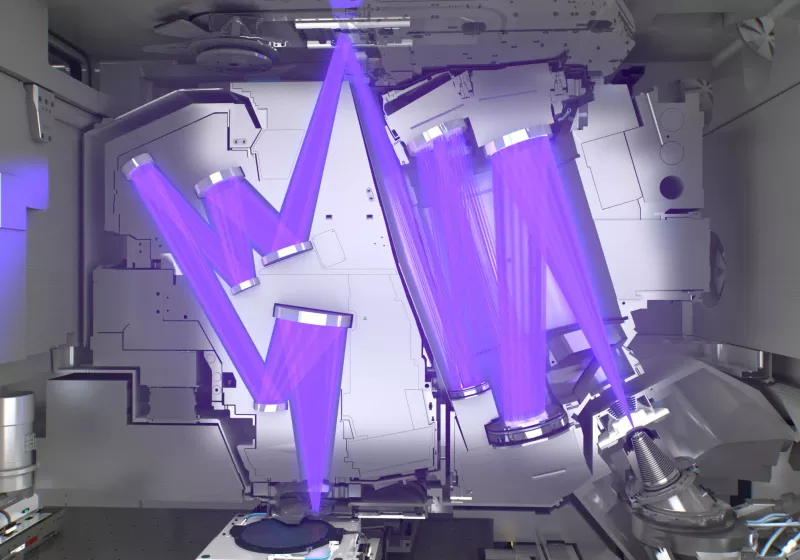
China’s much-publicized “Frankenstein” extreme ultraviolet (EUV) scanner has yet to produce a single semiconductor chip, challenging the narrative surrounding its development. This alleged prototype, which was reportedly assembled from various mismatched parts, has raised questions about the country’s ability to compete in advanced chip manufacturing.
According to a detailed report from Tom’s Hardware, the EUV scanner was created using components sourced through multiple channels, including surplus equipment sales and online spare-parts markets. Despite the ambitious claims surrounding the machine’s capabilities, it has not achieved any production milestones since its assembly.
The semiconductor industry is vital for technological advancement, and EUV technology is crucial for manufacturing the most sophisticated chips used in devices ranging from smartphones to high-performance computers. As of now, China’s efforts to enhance its semiconductor production capabilities appear to be hindered by the limitations of this improvised scanner.
In the global semiconductor landscape, leading manufacturers like TSMC and Samsung utilize cutting-edge EUV technology to create advanced nodes, allowing them to produce smaller and more efficient chips. The lack of successful output from the Chinese prototype underscores the challenges China faces in closing the technological gap with these industry leaders.
The implications of this situation are significant. Without successful chip production, China may struggle to meet its domestic demand for advanced semiconductors, which are essential for powering its growing technology sector. The reliance on imported chips for high-tech products could hinder the country’s ambitions for self-sufficiency in the tech industry.
As the geopolitical landscape evolves, the race for semiconductor supremacy has intensified. Countries around the world are investing heavily in their semiconductor industries to secure a competitive edge. The fate of China’s EUV scanner serves as a reminder of the complexities involved in achieving advancements in this crucial field.
Moving forward, it remains to be seen how China will address these challenges. The development of reliable semiconductor manufacturing capabilities will play a pivotal role in determining the country’s future position in the global technology arena.









Revolutionary Photonic Ski-Jump Could Miniaturize LiDAR Systems

Couples Detox from Plastics in New Netflix Doc: Can It Boost Fertility?

Aventon Launches Affordable Full-Suspension Electric Mountain Bike

Discover Eight Must-Try Restaurants This Spring Season

UC Irvine Team Unveils Innovative Ion Pump for Water Treatment

One-Third of Americans Trim Daily Expenses for Healthcare Needs

Apple Secures First Oscar in Three Years with F1: The Movie

Fourth Graders Celebrate St. Patrick’s Day with Creative Weather Drawings

Kim Kardashian Dazzles at Vanity Fair Oscars Party 2026

Nostradamus’ 2026 Predictions: Star Death and Dark Events Loom

Breakthroughs and Challenges Await Science in 2026

Electric Moto Influencer Surronster Arrested in Tijuana

OpenAI to Implement Age Verification for ChatGPT by December 2025

Discover the Top 10 Calorie Counting Apps of 2025

Bella Hadid Shares Health Update After Treatment for Lyme Disease

Analysts Project Stronger Growth for Apple’s iPhone 17 Lineup

Japanese Study Finds Rose Oil Can Increase Brain Gray Matter

Top 10 Penny Stocks to Watch in 2026 for Strong Returns
-
 Science3 months ago
Nostradamus’ 2026 Predictions: Star Death and Dark Events Loom
-
 Science4 months ago
Breakthroughs and Challenges Await Science in 2026
-
 Technology7 months ago
Electric Moto Influencer Surronster Arrested in Tijuana
-
 Technology4 months ago
OpenAI to Implement Age Verification for ChatGPT by December 2025
-
 Technology9 months ago
Discover the Top 10 Calorie Counting Apps of 2025
-
 Health7 months ago
Bella Hadid Shares Health Update After Treatment for Lyme Disease
-
 Health7 months ago
Analysts Project Stronger Growth for Apple’s iPhone 17 Lineup
-
 Health7 months ago
Japanese Study Finds Rose Oil Can Increase Brain Gray Matter
-
 Technology4 months ago
Top 10 Penny Stocks to Watch in 2026 for Strong Returns
-

 Science6 months ago
Starship V3 Set for 2026 Launch After Successful Final Test of Version 2
-

 Technology1 month ago
Nvidia GTC 2026: Major Announcements Expected for AI and Hardware
-

 Education7 months ago
Harvard Secures Court Victory Over Federal Funding Cuts