
Science
Understanding Why Humans Have Two Sets of Teeth: A Deep Dive

The human mouth undergoes a fascinating transformation from infancy to adulthood, characterized by the presence of two sets of teeth: baby teeth and adult teeth. This phenomenon, known as diphyodonty, allows individuals to adapt their dental structure as their jaws and faces grow. Understanding the reason behind this dual set of teeth sheds light on human development and dental health.
The Development of Two Sets of Teeth
Humans typically begin life without visible teeth, although baby teeth start forming before birth. Usually, these teeth emerge around six to eight months of age. By the time children reach five to six years old, they begin losing their first baby teeth, a process that continues until they are approximately 10 to 12 years old. During this period, adult teeth replace the smaller baby teeth, which are designed to fit into the smaller jaws of infants and young children.
Adult teeth, which number 28 with the potential for four additional wisdom teeth, are larger and play a vital role in efficient chewing. The evolution of having two sets of teeth ensures that as individuals grow, their dental structure accommodates their changing facial size and dietary needs.
The Importance of Baby Teeth
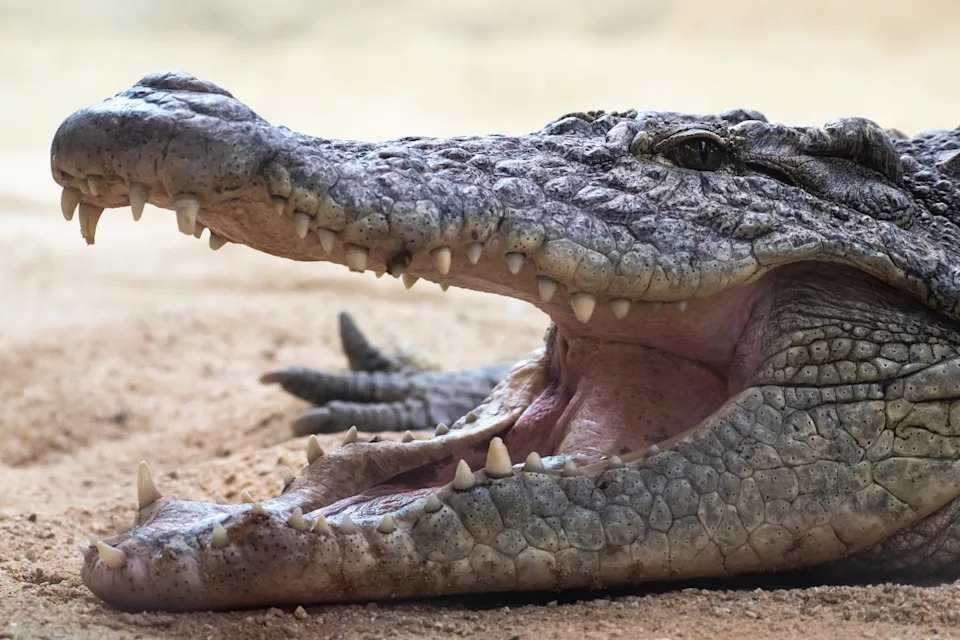
While some might consider baby teeth unimportant since they eventually fall out, they serve a crucial purpose. Unlike certain animals, such as sharks or crocodiles, which can continuously grow new teeth, humans only have two sets. If baby teeth are neglected, they can develop cavities or become infected, potentially requiring early removal. Such premature loss can create space issues for adult teeth, leading to misalignment or crowding.
Maintaining the health of baby teeth is essential for preventing future dental complications. Regular dental visits, proper brushing with fluoride toothpaste, and a balanced diet are critical for keeping both baby and adult teeth healthy.
The Future of Dental Health
As people live longer, reaching ages of 70 to 80 years or more, maintaining healthy teeth becomes even more important. Although options like dentures and dental implants exist, they do not fully replicate the function of natural teeth. Human teeth do not heal themselves like bones do; understanding this difference underscores the need for diligent dental care.
Research into regenerative dentistry aims to explore methods for tooth regeneration, offering hope for future advancements in dental health. For now, the best approach remains preventive care, emphasizing oral hygiene and regular dental check-ups.
In conclusion, the duality of baby and adult teeth plays a significant role in human growth and health. By understanding how teeth develop and the importance of caring for them, individuals can ensure a lifetime of healthy smiles.
This article is based on research by Christina Nicholas and David Avenetti from the University of Illinois Chicago, with contributions from the National Institutes of Health. Their work highlights the importance of dental health and the fascinating nature of human development.













Researchers Develop Spray-On Armor for Plants to Combat Hunger

British Woman’s Fatal Trip to US Exposes Dark Online Manipulation

Retailers Slash Prices on Last Year’s Laptops After CES 2026

Learn Cold Working Techniques at New Workshop in 2026

Discover 27 Stunning Finds at Anthropologie to Elevate Your Style

Researchers Develop Spray-On Armor to Combat Global Food Crisis

Discover the Waning Crescent Moon Phase on January 11

Grandmother Seeks Help for Grandson’s Potty Training Struggles

Master the Art of Crepes in Engaging Cooking Class

Nostradamus’ 2026 Predictions: Star Death and Dark Events Loom

OpenAI to Implement Age Verification for ChatGPT by December 2025

Discover the Top 10 Calorie Counting Apps of 2025

Bella Hadid Shares Health Update After Treatment for Lyme Disease

Analysts Project Stronger Growth for Apple’s iPhone 17 Lineup

Erin Bates Shares Recovery Update Following Sepsis Complications

Electric Moto Influencer Surronster Arrested in Tijuana

Discover How to Reverse Image Search Using ChatGPT Effortlessly

Meta Initiates $60B AI Data Center Expansion, Starting in Ohio
-
 Science2 weeks ago
Nostradamus’ 2026 Predictions: Star Death and Dark Events Loom
-
 Technology1 month ago
OpenAI to Implement Age Verification for ChatGPT by December 2025
-
 Technology6 months ago
Discover the Top 10 Calorie Counting Apps of 2025
-
 Health4 months ago
Bella Hadid Shares Health Update After Treatment for Lyme Disease
-
 Health4 months ago
Analysts Project Stronger Growth for Apple’s iPhone 17 Lineup
-
 Health4 months ago
Erin Bates Shares Recovery Update Following Sepsis Complications
-
 Technology4 months ago
Electric Moto Influencer Surronster Arrested in Tijuana
-
 Technology5 months ago
Discover How to Reverse Image Search Using ChatGPT Effortlessly
-
 Technology6 months ago
Meta Initiates $60B AI Data Center Expansion, Starting in Ohio
-

 Technology6 months ago
Recovering a Suspended TikTok Account: A Step-by-Step Guide
-

 Technology2 months ago
Discover 2025’s Top GPUs for Exceptional 4K Gaming Performance
-

 Education4 months ago
Harvard Secures Court Victory Over Federal Funding Cuts