
Science
Trump’s Energy Policy Overhaul: Impact on Climate and Coal

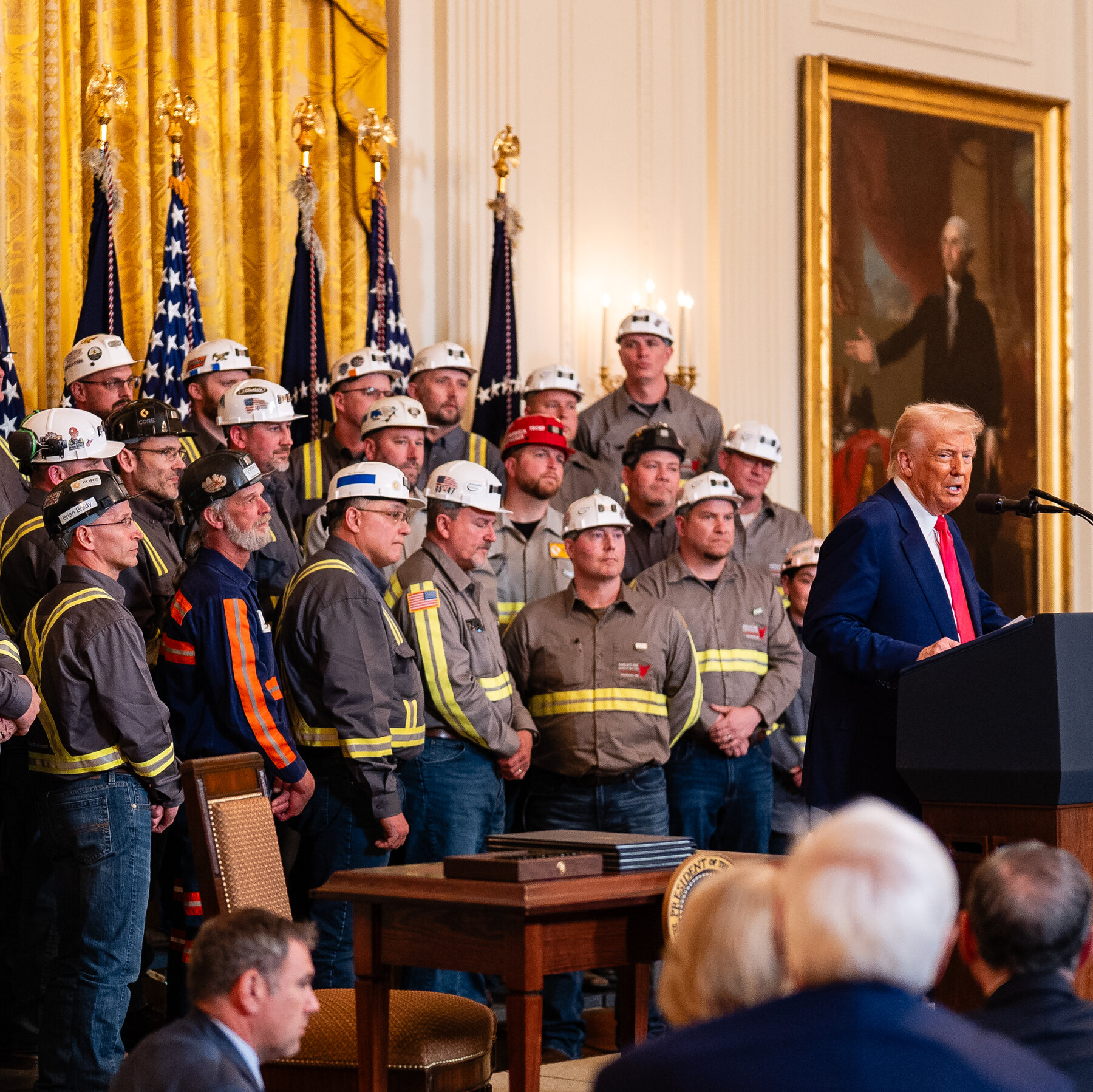
Significant changes in U.S. energy and climate policy marked the first year of Donald Trump’s presidency. The administration’s focus on deregulation and economic growth led to a shift in priorities that has influenced everything from coal plant retirements to international diplomacy regarding shipping emissions.
The administration announced its intention to roll back the Clean Power Plan, a landmark regulation established under former President Barack Obama aimed at reducing carbon emissions from power plants. This decision, announced on March 28, 2017, signaled a clear departure from the previous administration’s climate commitments, impacting the future of renewable energy development in the United States.
In a report from the U.S. Energy Information Administration (EIA), U.S. coal production began to see a resurgence as the administration lifted restrictions on coal mining and exploration. The EIA noted that coal production increased by approximately 10 percent in 2017, reversing a long-standing decline. This shift provided short-term gains for the coal industry, which had been struggling due to competition from natural gas and renewable sources.
Internationally, Trump’s energy policies also affected diplomatic relations, particularly regarding the Paris Agreement. The decision to withdraw from the agreement drew criticism from global leaders and environmental groups. The European Union and other signatories reaffirmed their commitment to the agreement, creating a potential rift in international climate cooperation.
While the administration emphasized job creation and energy independence, environmental advocates raised concerns about the long-term effects of these policies on climate change. The Environmental Protection Agency (EPA) faced scrutiny as it sought to dismantle regulations that had been established to protect air and water quality.
The impact of these changes extended beyond the borders of the United States. As U.S. policies shifted, other countries began to reassess their own energy strategies. The increased focus on fossil fuels in the U.S. raised questions about global emissions targets and the role of developed nations in addressing climate change.
The coal industry’s resurgence and the rollback of environmental regulations have sparked a heated debate about the balance between economic growth and environmental responsibility. Many industry leaders argue that a robust fossil fuel sector is essential for economic stability, while environmental organizations stress the importance of transitioning to cleaner energy sources.
As Trump’s presidency continues, the implications of these energy and climate policy changes will likely play a critical role in shaping both domestic and international conversations about climate action and sustainable energy practices. The ongoing tension between economic interests and environmental stewardship remains a defining feature of the current political landscape in the United States.












New Discoveries in Paleontology Unveil Fascinating Dinosaur Insights

Turkey’s Medical Tourism Set for Growth with New Initiatives

Greeneville-Greene County Humane Society Celebrates Holiday Season

Embracing Christmas: Finding Joy Amid Change and Loss

Tenor Health Acquires Wilkes-Barre General in Major 2025 Deal

Researchers Unveil Nanotube Breakthrough to Enhance Electromagnetic Fields

Culinary Arts Students Showcase Creativity in Gingerbread Competition

Anoka County Launches Initiatives with Donations, Education, and Safety Upgrades

Researchers Target Cancer Cells by Inhibiting TIGIT Protein

Discover the Top 10 Calorie Counting Apps of 2025

OpenAI to Implement Age Verification for ChatGPT by December 2025

Bella Hadid Shares Health Update After Treatment for Lyme Disease

Analysts Project Stronger Growth for Apple’s iPhone 17 Lineup

Erin Bates Shares Recovery Update Following Sepsis Complications

Discover How to Reverse Image Search Using ChatGPT Effortlessly

Electric Moto Influencer Surronster Arrested in Tijuana

Meta Initiates $60B AI Data Center Expansion, Starting in Ohio

Discover 2025’s Top GPUs for Exceptional 4K Gaming Performance
-
 Technology5 months ago
Discover the Top 10 Calorie Counting Apps of 2025
-
 Technology3 weeks ago
OpenAI to Implement Age Verification for ChatGPT by December 2025
-
 Health3 months ago
Bella Hadid Shares Health Update After Treatment for Lyme Disease
-
 Health3 months ago
Analysts Project Stronger Growth for Apple’s iPhone 17 Lineup
-
 Health4 months ago
Erin Bates Shares Recovery Update Following Sepsis Complications
-
 Technology5 months ago
Discover How to Reverse Image Search Using ChatGPT Effortlessly
-
 Technology3 months ago
Electric Moto Influencer Surronster Arrested in Tijuana
-
 Technology5 months ago
Meta Initiates $60B AI Data Center Expansion, Starting in Ohio
-
 Technology2 months ago
Discover 2025’s Top GPUs for Exceptional 4K Gaming Performance
-

 Technology5 months ago
Recovering a Suspended TikTok Account: A Step-by-Step Guide
-

 Health5 months ago
Tested: Rab Firewall Mountain Jacket Survives Harsh Conditions
-

 Lifestyle5 months ago
Belton Family Reunites After Daughter Survives Hill Country Floods