
Science
Italian Scientists 3D Print Controversial Pastries from Lab Ingredients

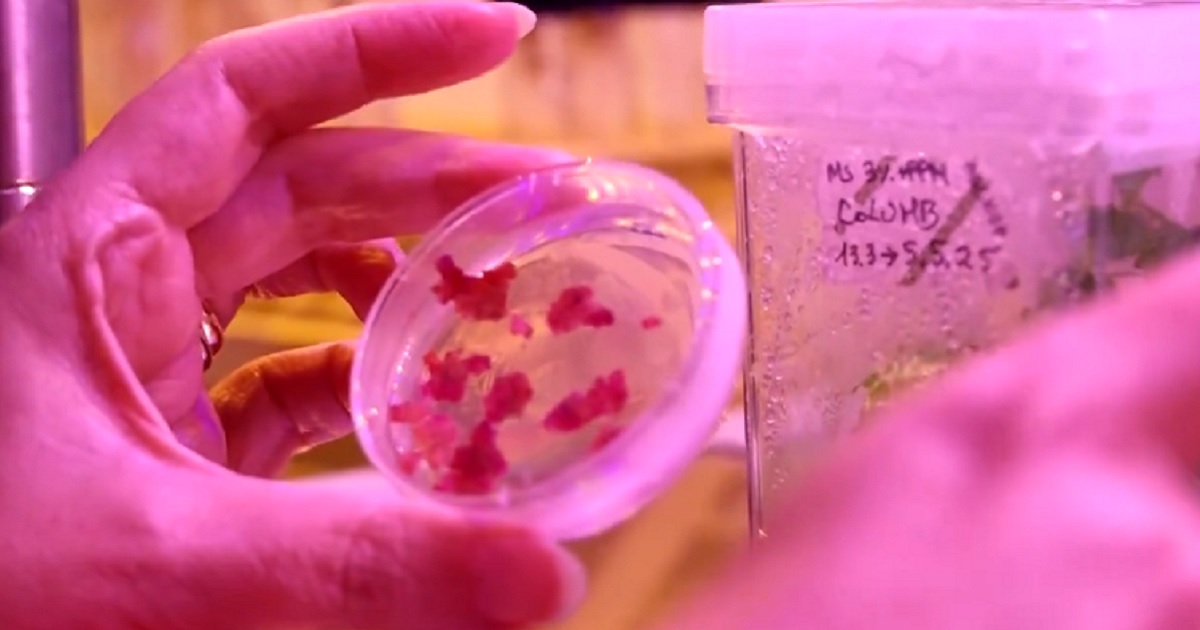
Scientists in Italy are making headlines by developing 3D-printed pastries using unconventional ingredients, specifically lab-grown plant cells and fruit residues. This innovative approach aims to create snacks with enhanced nutritional content, but it raises significant questions about both safety and appeal.
The pastries, produced through a 3D printing process, have garnered mixed reactions. Critics are concerned about the aesthetic and taste implications of using materials that might typically be found in a laboratory setting. The notion of consuming items created from “fruit residues” and “lab-grown plant cells” has caused many to express skepticism about their palatability and overall desirability.
Health Risks and Safety Concerns
Beyond taste and presentation, there are pressing health concerns associated with 3D-printed food. According to a report by Sustainable Futures Training, the handling of various raw materials during the 3D printing process introduces risks of bacterial contamination. This risk is exacerbated by the use of multiple ingredient cartridges, which can lead to cross-contamination if the printer is not adequately cleaned between uses. This situation poses a significant threat, especially for individuals with food allergies.
The complexity of the 3D printing equipment adds another layer of concern. As the machines utilize intricate nozzles and cartridge systems, thorough sanitation is crucial to prevent the buildup of residues. Without proper cleaning protocols, the likelihood of microbial growth increases, potentially leading to foodborne illnesses.
A Questionable Premise
Interestingly, the push for 3D-printed food is often justified by claims that it could help conserve arable land. Yet, global statistics from a prominent data site indicate that the amount of arable land has remained stable for the past 30 years, calling into question the validity of this justification. Critics argue that the health risks and questionable motivations behind the production of these pastries overshadow any potential benefits.
Despite the novelty of the concept, the idea of consuming pastries created from lab materials is unappealing to many. The image of “printed pastries” made from laboratory waste does not align with the culinary standards expected in modern society. While some might suggest that such innovations could serve functional purposes, like prison food alternatives, the general public remains doubtful about their practicality as mainstream snacks.
In conclusion, while the initiative by Italian scientists presents an intriguing intersection of technology and nutrition, the potential hazards and unappetizing nature of the final product merit serious consideration. As the food industry continues to explore new frontiers, the balance between innovation and safety will be crucial in determining the future of 3D-printed food.












Revolutionary Photonic Ski-Jump Could Miniaturize LiDAR Systems

Couples Detox from Plastics in New Netflix Doc: Can It Boost Fertility?

Aventon Launches Affordable Full-Suspension Electric Mountain Bike

Discover Eight Must-Try Restaurants This Spring Season

UC Irvine Team Unveils Innovative Ion Pump for Water Treatment

One-Third of Americans Trim Daily Expenses for Healthcare Needs

Apple Secures First Oscar in Three Years with F1: The Movie

Fourth Graders Celebrate St. Patrick’s Day with Creative Weather Drawings

Kim Kardashian Dazzles at Vanity Fair Oscars Party 2026

Nostradamus’ 2026 Predictions: Star Death and Dark Events Loom

Breakthroughs and Challenges Await Science in 2026

OpenAI to Implement Age Verification for ChatGPT by December 2025

Electric Moto Influencer Surronster Arrested in Tijuana

Discover the Top 10 Calorie Counting Apps of 2025

Bella Hadid Shares Health Update After Treatment for Lyme Disease

Analysts Project Stronger Growth for Apple’s iPhone 17 Lineup

Top 10 Penny Stocks to Watch in 2026 for Strong Returns

Japanese Study Finds Rose Oil Can Increase Brain Gray Matter
-
 Science3 months ago
Nostradamus’ 2026 Predictions: Star Death and Dark Events Loom
-
 Science3 months ago
Breakthroughs and Challenges Await Science in 2026
-
 Technology4 months ago
OpenAI to Implement Age Verification for ChatGPT by December 2025
-
 Technology6 months ago
Electric Moto Influencer Surronster Arrested in Tijuana
-
 Technology8 months ago
Discover the Top 10 Calorie Counting Apps of 2025
-
 Health6 months ago
Bella Hadid Shares Health Update After Treatment for Lyme Disease
-
 Health7 months ago
Analysts Project Stronger Growth for Apple’s iPhone 17 Lineup
-
 Technology3 months ago
Top 10 Penny Stocks to Watch in 2026 for Strong Returns
-
 Health7 months ago
Japanese Study Finds Rose Oil Can Increase Brain Gray Matter
-

 Science5 months ago
Starship V3 Set for 2026 Launch After Successful Final Test of Version 2
-

 Technology4 weeks ago
Nvidia GTC 2026: Major Announcements Expected for AI and Hardware
-

 Education7 months ago
Harvard Secures Court Victory Over Federal Funding Cuts