
Lifestyle
San Francisco’s Free Relocation Program Struggles for Impact

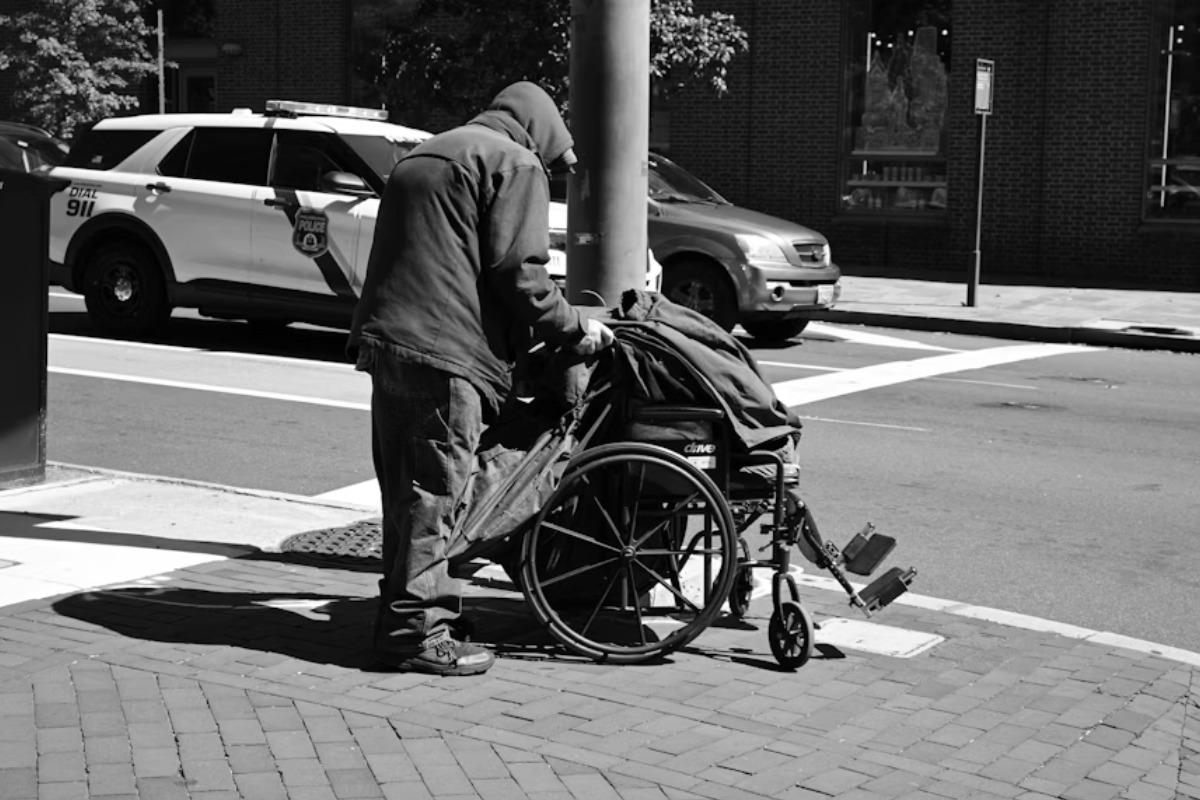
San Francisco continues to offer free one-way tickets for individuals experiencing homelessness who wish to reconnect with family or friends in other locations. Despite this initiative, outreach teams report that many individuals are declining the offer. Over the past year, only a few hundred people have accepted the city’s relocation assistance, raising questions about the program’s effectiveness and its potential impact on the ongoing homelessness crisis.
The numbers reveal a concerning trend. According to the San Francisco Chronicle, only 444 individuals received city-funded relocation assistance in the previous year, a decline from 530 the year before. This is significantly lower than at the program’s peak when more than 1,000 people annually accepted travel assistance. Additionally, approximately 18% of those who used the program between January 1, 2023, and December 31, 2024 re-entered the city’s homeless services system within a year.
Understanding the City’s Relocation Efforts
The city’s relocation initiatives operate through various programs, including the Department of Homelessness and Supportive Housing’s Problem Solving Relocation Assistance and the Human Services Agency’s California Alternative Access Program (CAAP). These programs typically provide transportation, a small meal stipend, and sometimes a one-night accommodation en route to the destination. Launched in July 2022, the Problem Solving Relocation Assistance program posts its data publicly, enhancing transparency.
In a recent directive, Mayor London Breed instructed outreach workers to prioritize relocation assistance over other services like shelter, reinforcing the city’s commitment to this strategy. Yet, many eligible individuals remain skeptical about the process, viewing it as a gamble that jeopardizes their current stability.
Mercy Mena, a local resident who declined relocation, expressed her concerns, stating, “I’ve been here all my life.” Outreach specialist Terro McMillion II from the nonprofit Miracle Messages highlighted the challenges faced by volunteers who strive to facilitate reunifications, noting that many individuals prefer to maintain their local connections, even if they are precarious.
Critiques and Challenges of Relocation
Critics of the relocation program argue that it often merely shifts the burden rather than addressing the underlying issues of homelessness. Reports suggest that individuals relocated to areas with limited housing and insufficient social services may find themselves in equally challenging circumstances. According to Mission Local, overlapping relocation programs in San Francisco contribute to confusion, resulting in inconsistent outcomes for those who do choose to leave.
Some officials from surrounding counties have voiced concerns about becoming de facto destinations for individuals sent from San Francisco, claiming they lack the resources to support an influx of new arrivals. This sentiment underscores the complexities surrounding the city’s approach to homelessness and the potential ramifications for communities beyond its borders.
Supporters of the program maintain that relocation serves as a cost-effective strategy while the city works to expand its housing and shelter options. The administration of Mayor Daniel Lurie has introduced new interim housing initiatives as part of a broader effort to break the cycle of homelessness. Additionally, the Human Services Agency has emphasized recent expansions in both shelter and interim housing as vital components of this strategy.
Efforts to enhance relocation outcomes may also involve partnerships with organizations like Miracle Messages, which employs volunteers to reconnect individuals with estranged family members. This collaboration could provide essential support to those seeking to rebuild their lives in new locations.
For the time being, relocation remains a component of San Francisco’s comprehensive response to homelessness. Both officials and advocates agree that any relocation efforts should be voluntary, well-coordinated, and accompanied by substantial support in the destination cities to maximize their effectiveness. As the city grapples with a persistent housing crisis, the low cost of relocation, averaging under $500 per person compared to the approximately $1.2 million required for a new permanent housing unit, keeps the program an appealing, albeit imperfect, solution.









Revolutionary Photonic Ski-Jump Could Miniaturize LiDAR Systems

Couples Detox from Plastics in New Netflix Doc: Can It Boost Fertility?

Aventon Launches Affordable Full-Suspension Electric Mountain Bike

Discover Eight Must-Try Restaurants This Spring Season

UC Irvine Team Unveils Innovative Ion Pump for Water Treatment

One-Third of Americans Trim Daily Expenses for Healthcare Needs

Apple Secures First Oscar in Three Years with F1: The Movie

Fourth Graders Celebrate St. Patrick’s Day with Creative Weather Drawings

Kim Kardashian Dazzles at Vanity Fair Oscars Party 2026

Nostradamus’ 2026 Predictions: Star Death and Dark Events Loom

Breakthroughs and Challenges Await Science in 2026

Electric Moto Influencer Surronster Arrested in Tijuana

OpenAI to Implement Age Verification for ChatGPT by December 2025

Discover the Top 10 Calorie Counting Apps of 2025

Bella Hadid Shares Health Update After Treatment for Lyme Disease

Analysts Project Stronger Growth for Apple’s iPhone 17 Lineup

Japanese Study Finds Rose Oil Can Increase Brain Gray Matter

Top 10 Penny Stocks to Watch in 2026 for Strong Returns
-
 Science4 months ago
Nostradamus’ 2026 Predictions: Star Death and Dark Events Loom
-
 Science4 months ago
Breakthroughs and Challenges Await Science in 2026
-
 Technology7 months ago
Electric Moto Influencer Surronster Arrested in Tijuana
-
 Technology4 months ago
OpenAI to Implement Age Verification for ChatGPT by December 2025
-
 Technology9 months ago
Discover the Top 10 Calorie Counting Apps of 2025
-
 Health7 months ago
Bella Hadid Shares Health Update After Treatment for Lyme Disease
-
 Health7 months ago
Analysts Project Stronger Growth for Apple’s iPhone 17 Lineup
-
 Health7 months ago
Japanese Study Finds Rose Oil Can Increase Brain Gray Matter
-
 Technology4 months ago
Top 10 Penny Stocks to Watch in 2026 for Strong Returns
-

 Science6 months ago
Starship V3 Set for 2026 Launch After Successful Final Test of Version 2
-

 Technology1 month ago
Nvidia GTC 2026: Major Announcements Expected for AI and Hardware
-

 Education7 months ago
Harvard Secures Court Victory Over Federal Funding Cuts