
Health
U.S. Healthcare System Criticized for Inequity and Inaccessibility

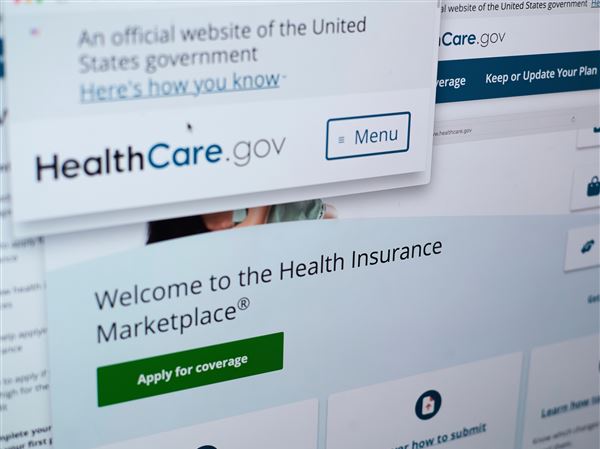
The debate surrounding the American healthcare system has intensified as critics highlight its inequitable nature. Despite being one of the wealthiest nations globally, the United States struggles to provide fair healthcare access for all its citizens. This issue is underscored by the ongoing resistance to meaningful reforms, particularly from the Republican Party, which has repeatedly opposed initiatives aimed at expanding healthcare coverage.
In contrast to many western democracies that offer comprehensive healthcare, the U.S. system remains fragmented. Critics argue that the current model primarily benefits health insurance companies and the pharmaceutical industry, enriching them while leaving vulnerable populations without adequate care. According to a report from the World Health Organization, the U.S. spends more on healthcare per capita than any other country, yet millions remain uninsured or underinsured.
Efforts to reform the healthcare system have faced significant challenges. Over the past decade, proposals to expand Medicaid, create a public option, or implement universal healthcare have encountered staunch opposition from Republican lawmakers. Their stance appears to protect an outdated system that prioritizes profit over patient care, leaving many Americans without essential medical services.
The consequences of this inequity are profound. A study by the Commonwealth Fund revealed that approximately 30 million Americans lack health insurance, which can lead to severe health outcomes. For instance, individuals without coverage are less likely to seek preventive care, resulting in later-stage diagnoses that are more costly to treat. Furthermore, the burden of medical expenses often leads to financial distress, with many families facing bankruptcy due to overwhelming healthcare costs.
Advocates for change argue that a reformed system could provide universal access to healthcare services, similar to those enjoyed in other developed nations. They emphasize that healthcare should be treated as a basic human right rather than a commodity. As the conversation around healthcare continues, it remains to be seen whether political will can align with the urgent need for reform, particularly as the 2024 elections approach.
The ongoing debate reflects broader societal values and priorities. As health disparities persist, many Americans are calling for a system that prioritizes equity and access over profit. The challenge will be to navigate the complex political landscape and push for reforms that can genuinely transform the healthcare experience for all citizens.












Revolutionary Photonic Ski-Jump Could Miniaturize LiDAR Systems

Couples Detox from Plastics in New Netflix Doc: Can It Boost Fertility?

Aventon Launches Affordable Full-Suspension Electric Mountain Bike

Discover Eight Must-Try Restaurants This Spring Season

UC Irvine Team Unveils Innovative Ion Pump for Water Treatment

One-Third of Americans Trim Daily Expenses for Healthcare Needs

Apple Secures First Oscar in Three Years with F1: The Movie

Fourth Graders Celebrate St. Patrick’s Day with Creative Weather Drawings

Kim Kardashian Dazzles at Vanity Fair Oscars Party 2026

Nostradamus’ 2026 Predictions: Star Death and Dark Events Loom

Breakthroughs and Challenges Await Science in 2026

Electric Moto Influencer Surronster Arrested in Tijuana

OpenAI to Implement Age Verification for ChatGPT by December 2025

Discover the Top 10 Calorie Counting Apps of 2025

Bella Hadid Shares Health Update After Treatment for Lyme Disease

Analysts Project Stronger Growth for Apple’s iPhone 17 Lineup

Japanese Study Finds Rose Oil Can Increase Brain Gray Matter

Top 10 Penny Stocks to Watch in 2026 for Strong Returns
-
 Science3 months ago
Nostradamus’ 2026 Predictions: Star Death and Dark Events Loom
-
 Science4 months ago
Breakthroughs and Challenges Await Science in 2026
-
 Technology7 months ago
Electric Moto Influencer Surronster Arrested in Tijuana
-
 Technology4 months ago
OpenAI to Implement Age Verification for ChatGPT by December 2025
-
 Technology9 months ago
Discover the Top 10 Calorie Counting Apps of 2025
-
 Health7 months ago
Bella Hadid Shares Health Update After Treatment for Lyme Disease
-
 Health7 months ago
Analysts Project Stronger Growth for Apple’s iPhone 17 Lineup
-
 Health7 months ago
Japanese Study Finds Rose Oil Can Increase Brain Gray Matter
-
 Technology4 months ago
Top 10 Penny Stocks to Watch in 2026 for Strong Returns
-

 Science6 months ago
Starship V3 Set for 2026 Launch After Successful Final Test of Version 2
-

 Technology1 month ago
Nvidia GTC 2026: Major Announcements Expected for AI and Hardware
-

 Education7 months ago
Harvard Secures Court Victory Over Federal Funding Cuts