
Health
Tanning Apps Promoting ‘Safe’ Sun Exposure Raise Health Concerns

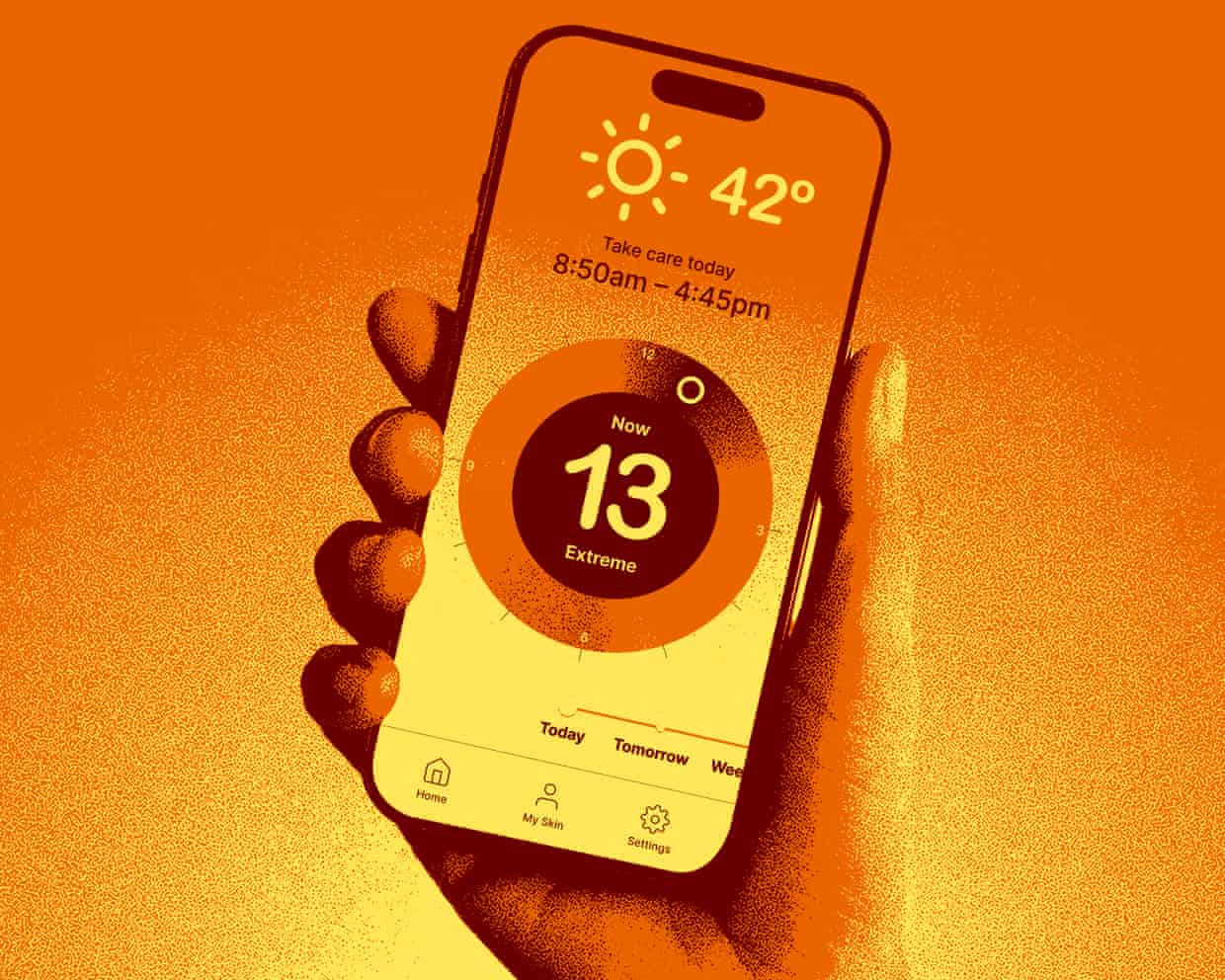
Smartphone applications promoting “safe” tanning routines are contributing to a troubling resurgence in tanning culture among teenagers in Australia. These apps, which target users as young as four, often feature claims about achieving a “healthy glow” while minimizing risks associated with ultraviolet (UV) exposure. Prominent influencers are heavily endorsing these apps, which pose significant health risks, particularly for young users.
The apps encourage users to select their desired skin tone, offering options like “espresso glow” and “golden bronze.” Users can choose tanning intensity levels such as “mild,” “medium,” or “intense” to achieve their preferred shade quickly. Some applications even suggest adding body oils and tanning accelerants to enhance results. By guiding users on how long to spend in the sun and when to do so, these apps promote deliberate exposure to UV radiation.
Dr. Deshan Sebaratnam, a dermatologist and conjoint associate professor at the University of New South Wales, criticized the concept of a “safe tan,” stating, “A tan is actually a distress signal from your skin.” He emphasized that any change in skin color due to UV exposure indicates damage, and the notion that gradual tanning can be safe is misleading. “The only safe tan is a fake tan,” Dr. Sebaratnam added.
Young people are particularly vulnerable to the dangers posed by these apps. Dr. Sebaratnam explained that UV damage acquired early in life significantly increases the risk of skin cancer later on. “Damage from UV gets into your DNA, causing mutations,” he noted, adding that these mutations can lead to cancer over time. Policies like “no hat, no play” have been implemented to combat the high risk associated with childhood sunburns.
While melanoma is relatively rare among children, Dr. Sebaratnam has treated young patients who required surgery and lymph node removal due to skin cancer. He also cautioned against using tanning accelerants promoted by these apps, as they may contain ingredients that heighten photosensitivity and increase the likelihood of severe burns.
Emma Glassenbury, head of the Cancer Council Victoria’s SunSmart program, expressed concern about the growing trend among children to seek tanned skin. “We’re hearing from parents who are worried their kids are chasing tan lines again,” she said. A poll from the Royal Children’s Hospital in Melbourne revealed that 23% of teens aged 12 to 17 mistakenly believe that a tan offers protection against skin cancer, while half of them prefer to look tanned.
Each year, approximately 2,000 Australians die from skin cancer, underscoring the importance of raising awareness about the risks associated with tanning apps. Glassenbury urged Australians to reject these dangerous applications. “By promoting tanning trends, they are really undermining our public health efforts in tackling skin cancer,” she said. The SunSmart program has spent decades working to change Australian attitudes towards tanning, aiming to protect younger generations from the harmful effects of UV radiation.
As the influence of social media continues to expand, the potential for harmful tanning culture to proliferate remains a significant public health concern.



Revolutionary Photonic Ski-Jump Could Miniaturize LiDAR Systems

Couples Detox from Plastics in New Netflix Doc: Can It Boost Fertility?

Aventon Launches Affordable Full-Suspension Electric Mountain Bike

Discover Eight Must-Try Restaurants This Spring Season

UC Irvine Team Unveils Innovative Ion Pump for Water Treatment

One-Third of Americans Trim Daily Expenses for Healthcare Needs

Apple Secures First Oscar in Three Years with F1: The Movie

Fourth Graders Celebrate St. Patrick’s Day with Creative Weather Drawings

Kim Kardashian Dazzles at Vanity Fair Oscars Party 2026

Nostradamus’ 2026 Predictions: Star Death and Dark Events Loom

Breakthroughs and Challenges Await Science in 2026

Electric Moto Influencer Surronster Arrested in Tijuana

OpenAI to Implement Age Verification for ChatGPT by December 2025

Discover the Top 10 Calorie Counting Apps of 2025

Bella Hadid Shares Health Update After Treatment for Lyme Disease

Analysts Project Stronger Growth for Apple’s iPhone 17 Lineup

Japanese Study Finds Rose Oil Can Increase Brain Gray Matter

Top 10 Penny Stocks to Watch in 2026 for Strong Returns
-
 Science4 months ago
Nostradamus’ 2026 Predictions: Star Death and Dark Events Loom
-
 Science4 months ago
Breakthroughs and Challenges Await Science in 2026
-
 Technology7 months ago
Electric Moto Influencer Surronster Arrested in Tijuana
-
 Technology5 months ago
OpenAI to Implement Age Verification for ChatGPT by December 2025
-
 Technology9 months ago
Discover the Top 10 Calorie Counting Apps of 2025
-
 Health7 months ago
Bella Hadid Shares Health Update After Treatment for Lyme Disease
-
 Health7 months ago
Analysts Project Stronger Growth for Apple’s iPhone 17 Lineup
-
 Health8 months ago
Japanese Study Finds Rose Oil Can Increase Brain Gray Matter
-
 Technology4 months ago
Top 10 Penny Stocks to Watch in 2026 for Strong Returns
-

 Science6 months ago
Starship V3 Set for 2026 Launch After Successful Final Test of Version 2
-

 Technology2 months ago
Nvidia GTC 2026: Major Announcements Expected for AI and Hardware
-

 Education8 months ago
Harvard Secures Court Victory Over Federal Funding Cuts