
Health
Start Walking Today: Unlock Health Benefits and Expert Tips

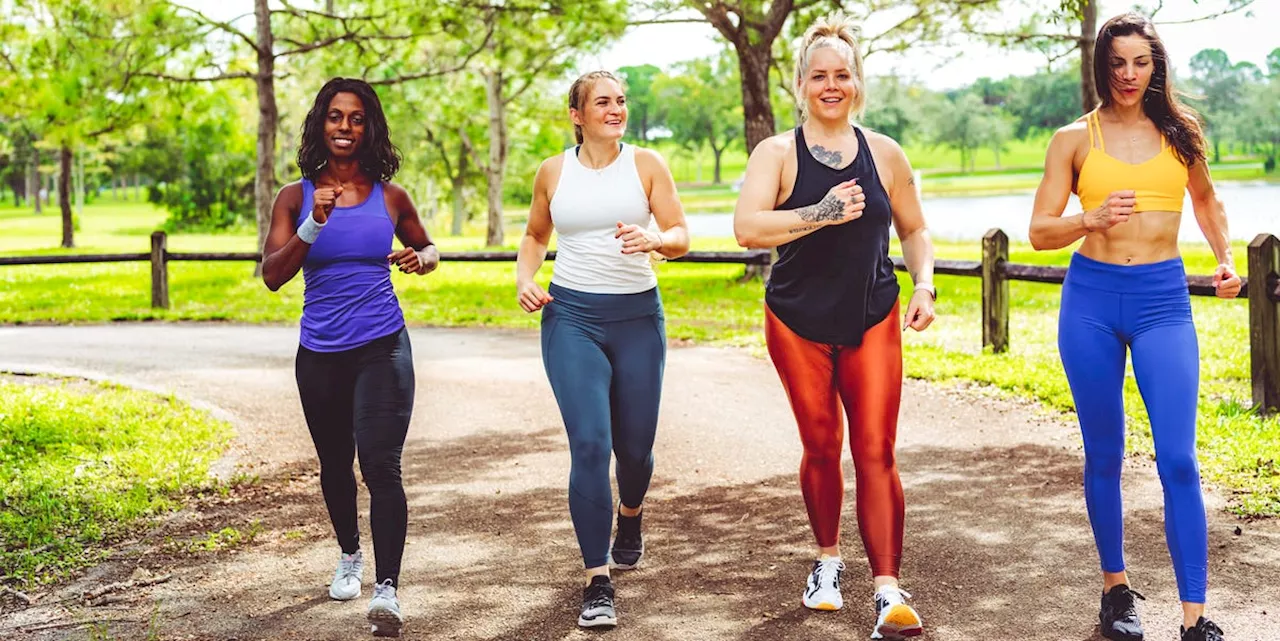
Initiating a walking routine can lead to significant health benefits, according to fitness experts. Walking, often overshadowed by more intense exercises like running, is an effective way to enhance both physical and mental health. It is particularly beneficial for runners, as incorporating walking into their regimen can prolong their athletic careers. A 2023 study highlighted that just two minutes of walking after meals can help control blood sugar levels.
Meg Takacs, a certified personal trainer and founder of the Movement Miles app, emphasizes the importance of consistency in walking. “Walking is one of the easiest, most effective ways to stay healthy,” she stated. “The more consistent you are, the more positive results your body gets.” Making walking a non-negotiable part of daily life maximizes its health benefits.
The Health Benefits of Regular Walking
Engaging in a regular walking routine offers numerous health advantages.
One of the primary benefits is improved cardiovascular health. Walking at a moderate intensity significantly reduces the risk of heart disease by lowering cholesterol levels. A 2020 study from Turkey found that a consistent exercise routine of 160 minutes over 18 weeks led to a notable increase in high-density lipoprotein (HDL), or “good” cholesterol.
Another surprising benefit of walking is improved sleep quality. A 2019 study published in the journal Sleep Health demonstrated a positive correlation between regular walking and better sleep, resulting in a more refreshed awakening.
Walking can also enhance immune function. Studies reveal that brisk walking for 30 to 45 minutes five times a week correlates with fewer respiratory symptoms. Additionally, even a single walk can activate the immune system, making it an effective preventive measure against common illnesses.
Moreover, walking can boost mood. Emma Graves, a certified personal trainer at Life Time River North, explains, “Walking regularly reduces your stress, with increased blood circulation to the brain and body.” Research published in the journal Mental Health and Physical Activity supports the idea that regular walking can alleviate symptoms of depression.
While walking can aid in weight management, it is important to note that no single exercise guarantees weight loss. The American Diabetes Association indicates that a consistent exercise routine, coupled with nutritional strategies, is essential for effective weight management. A 2022 study published in the journal Nutrients found that post-menopausal women who walked at a slower pace lost weight more effectively than those who rushed. However, faster walking was linked to a greater reduction in abdominal fat.
Practical Tips for Starting a Walking Routine
To establish a walking habit, consider these expert tips:
1. **Gear Up**: Invest in comfortable walking shoes. Proper footwear enhances walking form, minimizes injury risk, and encourages regular participation.
2. **Set a Goal**: Define clear objectives for your walks, whether they are physical fitness or mental clarity goals. Having a specific aim can motivate adherence to the routine.
3. **Start Small**: Even a ten-minute walk contributes to habit formation. Showing up consistently, even for short durations, builds a sustainable routine.
4. **Track Your Progress**: Aim for the American Heart Association’s recommendation of 150 minutes of moderate-intensity exercise weekly. Log your walks to monitor progress and set goals for the following week.
5. **Schedule Your Walks**: Treat walking as a mandatory appointment. Scheduling time for walks reinforces the importance of physical activity in your daily life.
6. **Find a Walking Buddy**: Partnering with a friend can enhance accountability and motivation. Having someone to walk with makes it easier to stick to your plan.
7. **Habit Stacking**: Combine walking with existing habits, such as listening to a podcast or catching up with a friend on the phone. This strategy can help integrate walking seamlessly into your routine.
8. **Mindfulness**: During walks, focus on your surroundings and allow your mind to unwind. Consider using guided meditations or calming music to enhance the experience.
Safety is paramount while walking. The National Highway Traffic Safety Administration advises walking on sidewalks when available. If sidewalks are absent, walk facing traffic and remain aware of your surroundings. Obey traffic signals and cross streets safely.
For those unable to walk outdoors due to safety concerns or time constraints, alternatives such as treadmills or walking pads can facilitate daily movement.
Incorporating walking into your lifestyle not only enhances physical health but also contributes to emotional well-being. By following these expert tips, individuals can establish a walking routine that becomes an enjoyable and essential part of their day.






Revolutionary Photonic Ski-Jump Could Miniaturize LiDAR Systems

Couples Detox from Plastics in New Netflix Doc: Can It Boost Fertility?

Aventon Launches Affordable Full-Suspension Electric Mountain Bike

Discover Eight Must-Try Restaurants This Spring Season

UC Irvine Team Unveils Innovative Ion Pump for Water Treatment

One-Third of Americans Trim Daily Expenses for Healthcare Needs

Apple Secures First Oscar in Three Years with F1: The Movie

Fourth Graders Celebrate St. Patrick’s Day with Creative Weather Drawings

Kim Kardashian Dazzles at Vanity Fair Oscars Party 2026

Nostradamus’ 2026 Predictions: Star Death and Dark Events Loom

Breakthroughs and Challenges Await Science in 2026

Electric Moto Influencer Surronster Arrested in Tijuana

OpenAI to Implement Age Verification for ChatGPT by December 2025

Discover the Top 10 Calorie Counting Apps of 2025

Bella Hadid Shares Health Update After Treatment for Lyme Disease

Analysts Project Stronger Growth for Apple’s iPhone 17 Lineup

Japanese Study Finds Rose Oil Can Increase Brain Gray Matter

Top 10 Penny Stocks to Watch in 2026 for Strong Returns
-
 Science3 months ago
Nostradamus’ 2026 Predictions: Star Death and Dark Events Loom
-
 Science4 months ago
Breakthroughs and Challenges Await Science in 2026
-
 Technology7 months ago
Electric Moto Influencer Surronster Arrested in Tijuana
-
 Technology4 months ago
OpenAI to Implement Age Verification for ChatGPT by December 2025
-
 Technology9 months ago
Discover the Top 10 Calorie Counting Apps of 2025
-
 Health7 months ago
Bella Hadid Shares Health Update After Treatment for Lyme Disease
-
 Health7 months ago
Analysts Project Stronger Growth for Apple’s iPhone 17 Lineup
-
 Health7 months ago
Japanese Study Finds Rose Oil Can Increase Brain Gray Matter
-
 Technology4 months ago
Top 10 Penny Stocks to Watch in 2026 for Strong Returns
-

 Science6 months ago
Starship V3 Set for 2026 Launch After Successful Final Test of Version 2
-

 Technology1 month ago
Nvidia GTC 2026: Major Announcements Expected for AI and Hardware
-

 Education7 months ago
Harvard Secures Court Victory Over Federal Funding Cuts