
Health
Scientists Discover Blood-Derived Molecules with Anti-Aging Potential

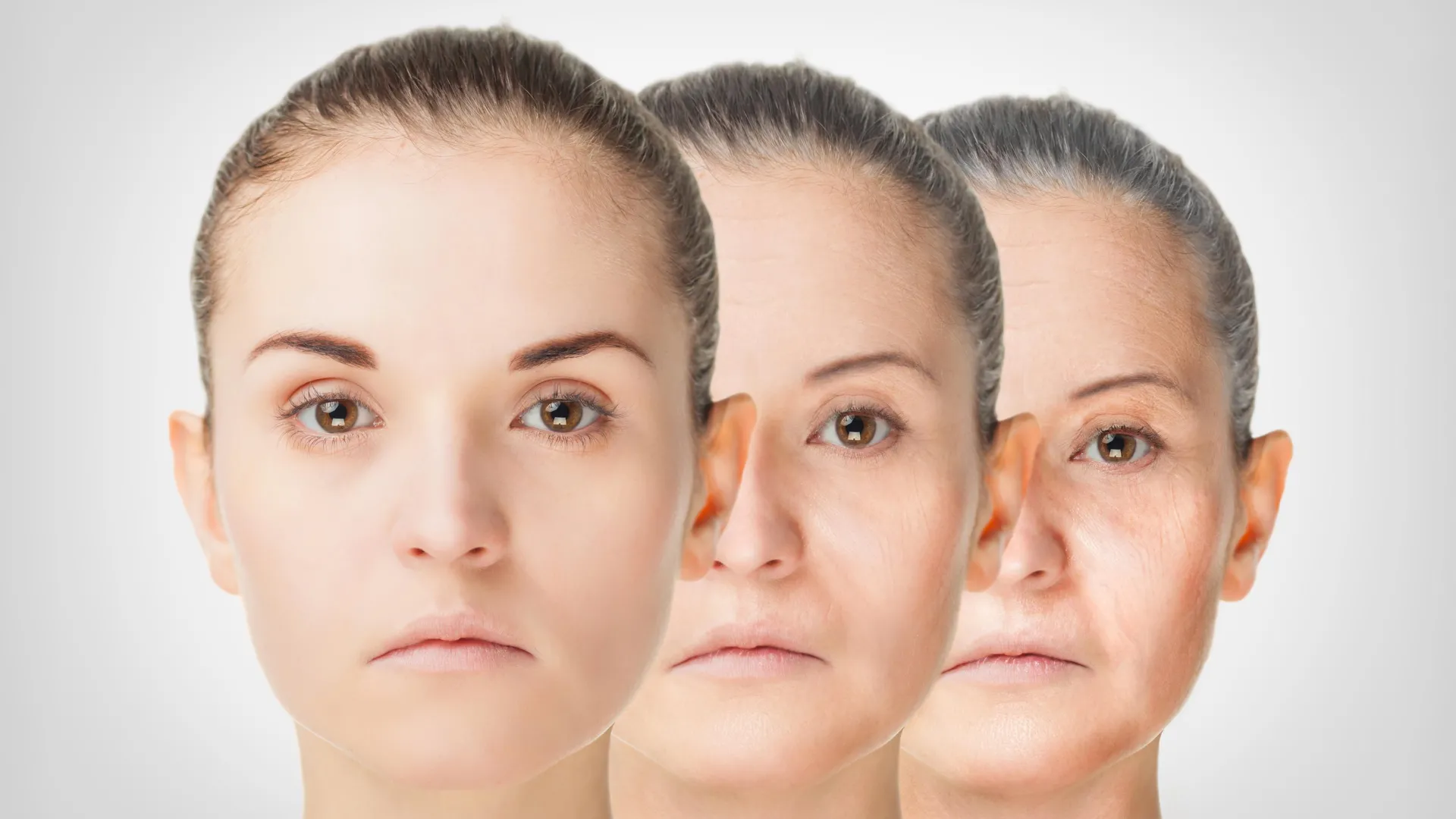
Researchers have uncovered new compounds in the blood that show significant potential for anti-aging treatments. A study published on November 29, 2025, by the American Chemical Society reveals that metabolites produced by a little-studied bacterium found in human blood can effectively reduce inflammation and oxidative stress in skin cell cultures.
The focus of the research was on a bacterium known as Paracoccus sanguinis, which was discovered to produce indole metabolites—molecules that have garnered interest for their health benefits. The study highlights the possibility of harnessing these naturally occurring compounds for future skin rejuvenation therapies.
Despite the growing understanding of the microbiome’s impact on human health, the role of bacterial by-products in the bloodstream remains largely unexplored. The researchers, led by Chung Sub Kim and Sullim Lee, aimed to investigate the metabolic functions of blood-derived microbes. “Blood-derived microbes are a relatively uncharted area of research,” Kim stated. “Given the unique environment of the bloodstream, we believed that studying individual species like P. sanguinis could reveal previously unknown metabolic functions relevant to health and disease.”
To delve deeper, the team cultured P. sanguinis for three days and extracted a range of metabolites produced by the bacterium. Using various analytical techniques, including spectrometry and computational methods, they identified the chemical structures of 12 distinct indole metabolites. Notably, six of these compounds had never been documented before in scientific literature.
The next phase of the research involved testing these metabolites on cultured human skin cells that had been subjected to conditions that increased oxidative stress. Among the indoles tested, three compounds—two of which were newly identified—demonstrated the ability to significantly lower levels of reactive oxygen species in the stressed skin cells, compared to untreated samples. Additionally, these metabolites reduced the production of two inflammatory proteins and a protein associated with collagen degradation.
Given these promising results, the researchers suggest that the newly characterized indole metabolites may serve as the foundation for innovative therapies aimed at combating the effects of aging on the skin. Their findings pave the way for a potential new source of anti-aging treatments derived from the body’s own biological processes.
The research received funding from the National Research Foundation of Korea, the BK21 FOUR Project, and the National Supercomputing Center. As scientists continue to explore the metabolic functions of blood-derived microbes, the implications for skin care and overall health could be profound.






TikTok Users Experiment with Hummus in Ninja Creami Machine

Empowering Educators: 5 Free Resources for Teaching Black History

Frances Bledsoe: A Life Remembered in Legacy and Service

Pharma Marketing Faces New Challenges as Regulations Shift in 2026

Pharma Marketing’s Playbook Faces Overhaul Ahead of 2026

STARTRADER Revitalizes Youth Sports with New Court in Thailand

Engage with Art, History, and Community in the Mid-Hudson Valley

San Diego County Enjoys Warmer Weather Despite Phil’s Prediction

Researchers Uncover Why Cats Are True Carnivores, Not Vegan

Nostradamus’ 2026 Predictions: Star Death and Dark Events Loom

OpenAI to Implement Age Verification for ChatGPT by December 2025

Discover the Top 10 Calorie Counting Apps of 2025

Bella Hadid Shares Health Update After Treatment for Lyme Disease

Analysts Project Stronger Growth for Apple’s iPhone 17 Lineup

Electric Moto Influencer Surronster Arrested in Tijuana

Harvard Secures Court Victory Over Federal Funding Cuts

Erin Bates Shares Recovery Update Following Sepsis Complications

Discover How to Reverse Image Search Using ChatGPT Effortlessly
-
 Science1 month ago
Nostradamus’ 2026 Predictions: Star Death and Dark Events Loom
-
 Technology2 months ago
OpenAI to Implement Age Verification for ChatGPT by December 2025
-
 Technology7 months ago
Discover the Top 10 Calorie Counting Apps of 2025
-
 Health5 months ago
Bella Hadid Shares Health Update After Treatment for Lyme Disease
-
 Health5 months ago
Analysts Project Stronger Growth for Apple’s iPhone 17 Lineup
-
 Technology5 months ago
Electric Moto Influencer Surronster Arrested in Tijuana
-
 Education5 months ago
Harvard Secures Court Victory Over Federal Funding Cuts
-
 Health5 months ago
Erin Bates Shares Recovery Update Following Sepsis Complications
-
 Technology6 months ago
Discover How to Reverse Image Search Using ChatGPT Effortlessly
-

 Technology7 months ago
Meta Initiates $60B AI Data Center Expansion, Starting in Ohio
-

 Science4 months ago
Starship V3 Set for 2026 Launch After Successful Final Test of Version 2
-

 Technology7 months ago
Recovering a Suspended TikTok Account: A Step-by-Step Guide