
Education
Youngkin’s Education Overhaul in Virginia: Achievements and Challenges

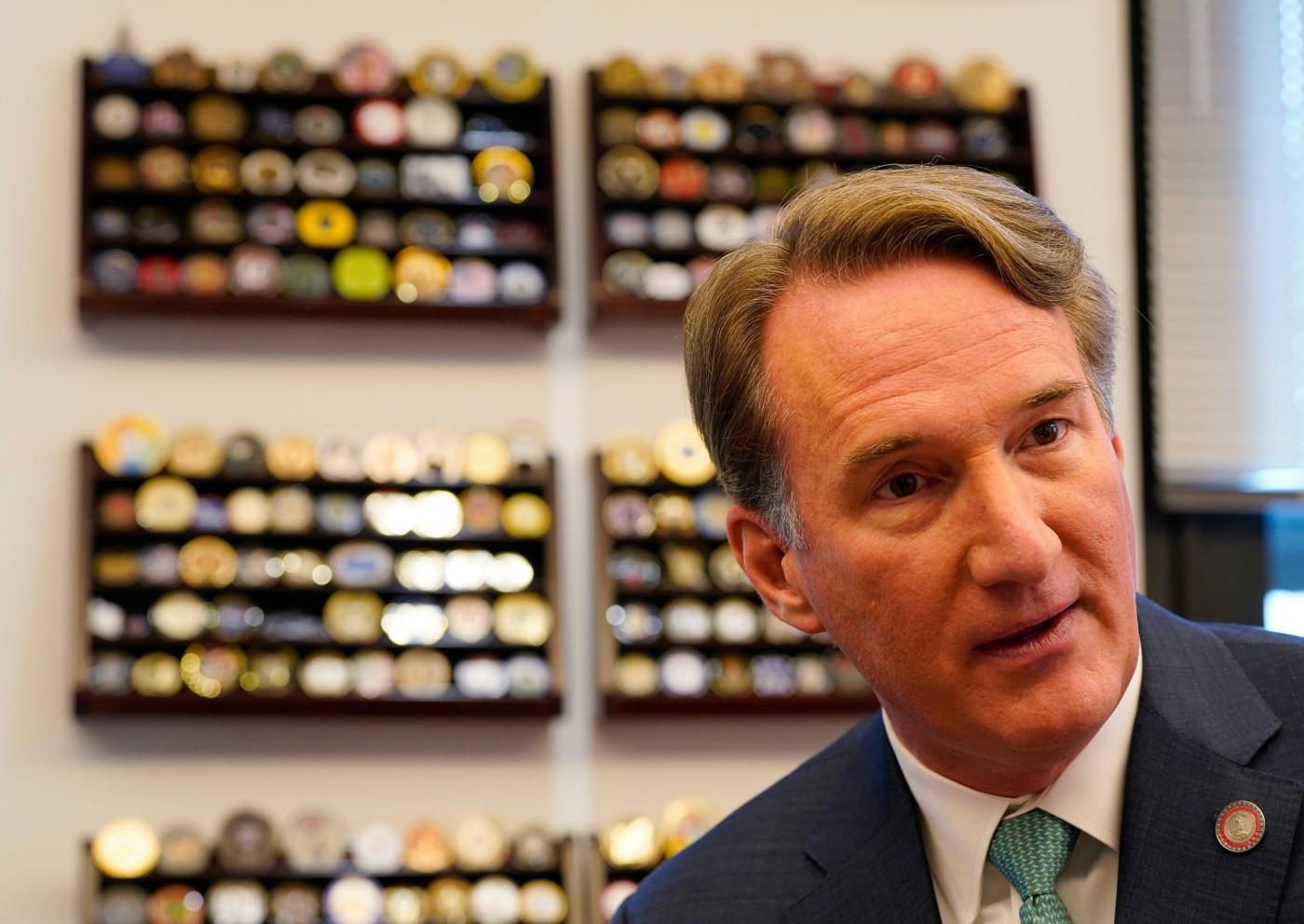
Glenn Youngkin, who assumed the role of Virginia’s governor in January 2022, has embarked on a significant transformation of the state’s educational landscape during his tenure. By promising to be “the education governor,” Youngkin aimed to address the growing dissatisfaction among parents regarding public school operations. As his administration approaches its conclusion on January 17, 2023, Youngkin asserts that he has fulfilled this promise through various reforms, focusing on raising academic standards, boosting K-12 funding, and revising reading instruction methodologies.
In an interview with the Richmond Times-Dispatch, Youngkin discussed the precarious state of Virginia’s education system upon his entry into office. He cited widespread discontent among parents who felt excluded from critical decisions affecting their children’s education and expressed concerns about misleading school accreditation metrics. The impact of the COVID-19 pandemic further exacerbated the situation, with prolonged school closures and enforced mask mandates contributing to learning loss and dissatisfaction.
Youngkin’s administration has implemented significant changes, such as elevating the passing threshold for state assessments and overhauling the school accreditation framework to create a more accurate accountability system. He emphasized the importance of student outcomes in shaping educational policies, asserting that a focus on results should drive decision-making rather than partisan interests.
Criticism and Support
Despite these initiatives, Youngkin has faced criticism for allegedly politicizing K-12 education, particularly regarding discussions surrounding race. He rejects this characterization, asserting that his administration prioritized educational outcomes over political agendas. Critics, including some allies, have pointed to the administration’s frequent turnover of state superintendents and a chaotic implementation of new policies. Jason Kamras, Superintendent of Richmond Public Schools, acknowledged Youngkin’s efforts to elevate educational standards but noted that the manner of execution sometimes eroded trust in the administration.
Conversely, other superintendents, like Doug Straley of Louisa County Public Schools, praised Youngkin’s initiatives, particularly the Virginia Literacy Act, which aims to enhance reading instruction using evidence-based practices. Straley highlighted the challenge of implementing vast changes within a compressed timeframe as a significant hurdle for the administration.
Former Virginia Secretary of Education Anne Holton criticized the Youngkin administration for pursuing an excessive number of initiatives simultaneously, leading to a lack of focus on fulfilling basic educational responsibilities.
Leadership Changes and Future Prospects
Youngkin’s tenure has seen the departure of three state superintendents within four years, a situation that Holton described as unprecedented in Virginia’s educational history. She expressed concerns that this instability hindered effective governance and policy implementation. Youngkin, however, contends that the changes were necessary to address the substantial reforms underway.
The administration faced notable challenges in implementing its school choice agenda. Although Youngkin initially aimed to establish 20 new public charter schools, limitations within Virginia’s educational laws and a Democratic-controlled legislature hindered these efforts. Instead, he introduced 15 new lab schools, partnerships between universities and public school districts designed to offer innovative educational opportunities tailored to local needs.
Looking ahead, Youngkin believes that the educational reforms initiated during his term will provide a solid foundation for future administrations. He highlighted an increase of $7 billion in K-12 education funding in the latest budget, reflecting a commitment to enhancing Virginia’s educational system.
As Youngkin prepares to hand over the reins to his successor, Abigail Spanberger, he remains optimistic about the future of education in Virginia. He maintains that the changes implemented during his administration will continue to benefit students for years to come, emphasizing the importance of maintaining momentum in educational reform.
“Change is hard,” Youngkin noted, “and it requires different leaders at different times. The transformations we’ve initiated have laid the groundwork for a stronger educational landscape in Virginia.”









Revolutionary Photonic Ski-Jump Could Miniaturize LiDAR Systems

Couples Detox from Plastics in New Netflix Doc: Can It Boost Fertility?

Aventon Launches Affordable Full-Suspension Electric Mountain Bike

Discover Eight Must-Try Restaurants This Spring Season

UC Irvine Team Unveils Innovative Ion Pump for Water Treatment

One-Third of Americans Trim Daily Expenses for Healthcare Needs

Apple Secures First Oscar in Three Years with F1: The Movie

Fourth Graders Celebrate St. Patrick’s Day with Creative Weather Drawings

Kim Kardashian Dazzles at Vanity Fair Oscars Party 2026

Nostradamus’ 2026 Predictions: Star Death and Dark Events Loom

Breakthroughs and Challenges Await Science in 2026

Electric Moto Influencer Surronster Arrested in Tijuana

OpenAI to Implement Age Verification for ChatGPT by December 2025

Discover the Top 10 Calorie Counting Apps of 2025

Bella Hadid Shares Health Update After Treatment for Lyme Disease

Analysts Project Stronger Growth for Apple’s iPhone 17 Lineup

Japanese Study Finds Rose Oil Can Increase Brain Gray Matter

Top 10 Penny Stocks to Watch in 2026 for Strong Returns
-
 Science3 months ago
Nostradamus’ 2026 Predictions: Star Death and Dark Events Loom
-
 Science4 months ago
Breakthroughs and Challenges Await Science in 2026
-
 Technology7 months ago
Electric Moto Influencer Surronster Arrested in Tijuana
-
 Technology4 months ago
OpenAI to Implement Age Verification for ChatGPT by December 2025
-
 Technology9 months ago
Discover the Top 10 Calorie Counting Apps of 2025
-
 Health7 months ago
Bella Hadid Shares Health Update After Treatment for Lyme Disease
-
 Health7 months ago
Analysts Project Stronger Growth for Apple’s iPhone 17 Lineup
-
 Health7 months ago
Japanese Study Finds Rose Oil Can Increase Brain Gray Matter
-
 Technology4 months ago
Top 10 Penny Stocks to Watch in 2026 for Strong Returns
-

 Science6 months ago
Starship V3 Set for 2026 Launch After Successful Final Test of Version 2
-

 Technology1 month ago
Nvidia GTC 2026: Major Announcements Expected for AI and Hardware
-

 Education7 months ago
Harvard Secures Court Victory Over Federal Funding Cuts