
Education
Wisconsin Farmers Utilize Smart Weather Stations to Boost Yields

Farmers in Wisconsin are leveraging advanced weather technology to enhance crop yields and reduce operational costs. The University of Wisconsin–Madison has developed a statewide network of weather stations called Wisconet, providing real-time climate data that is crucial for agricultural decision-making.
Wisconet, which began expanding in 2023, has now grown from 14 to nearly 80 stations across Wisconsin. This network delivers local, precise weather information, allowing farmers to make informed choices about irrigation, pest management, and fertilization.
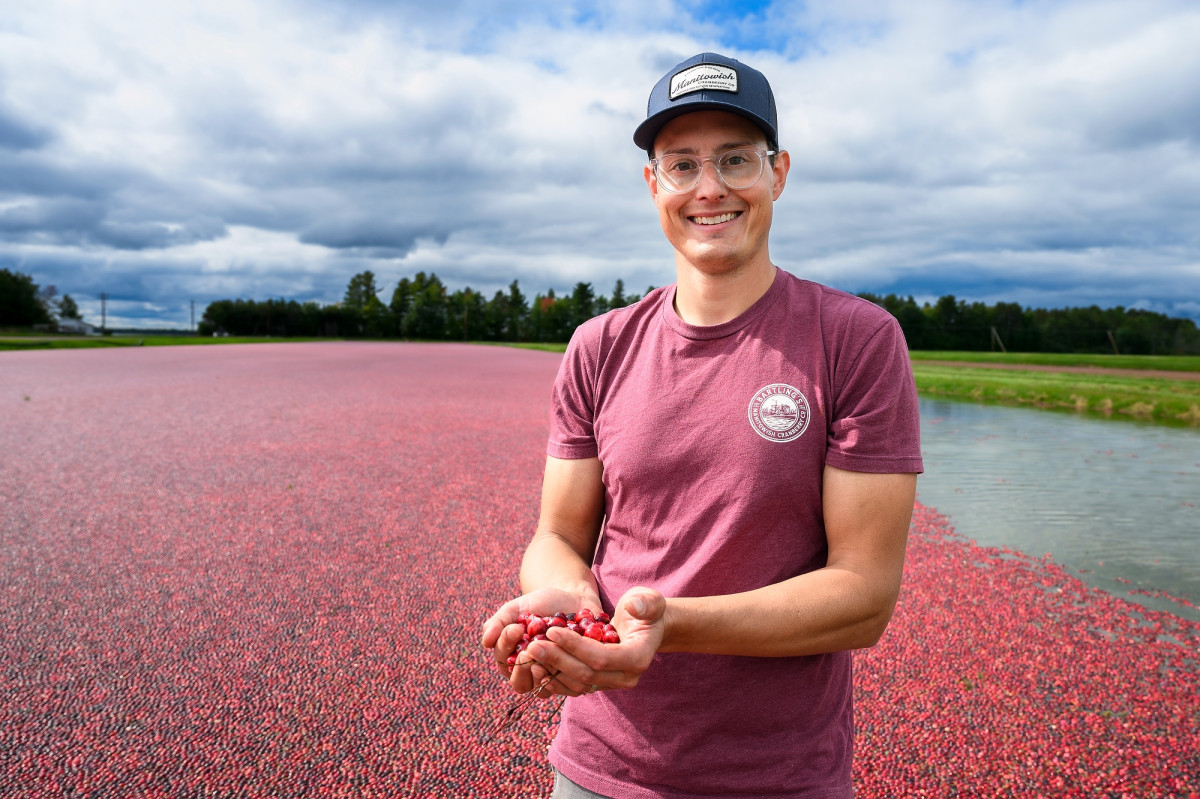
David Bartling, co-owner of Bartling’s Manitowish Cranberry Co., emphasizes the importance of data-driven farming. “The more data, the better,” he says, highlighting how his engineering background informs his farming practices. In partnership with his neighbor, Michael O’Brien, Bartling agreed to install a Wisconet station on a shared berm, enabling immediate access to vital weather information.
The station records various environmental factors, including air and soil temperature, humidity, and precipitation, providing farmers with real-time updates. “When you’re applying fertilizer or treating for pests, being able to rely on accurate data from just down the road is invaluable,” Bartling notes.
O’Brien, who manages Vilas Cranberry Co., adds that many farmers in the area lack access to such information. The cost of equipment and expertise often poses a barrier, making Wisconet a critical resource. “All the growers around here use it,” he says, noting the ability to monitor surrounding weather stations for impending changes.
Accessing Timely Data for Better Decisions
Another beneficiary of this technology is Bill Roethle, owner of Hillside Apple Farm in Casco, Wisconsin. Roethle recently relocated a Wisconet station to his property, allowing him to bypass outdated methods of obtaining weather data. Previously, he relied on a recorded service that often provided stale information.
“Now, I can pull out my phone and access up-to-the-minute data,” Roethle explains. This timely access enables him to make better decisions regarding pest management and other critical farming practices.
The impact of Wisconet extends beyond individual farms. The project is backed by the Wisconsin Alumni Research Foundation and collaborates with the National Oceanic and Atmospheric Administration. By sharing data, Wisconet contributes to national weather forecasting and drought monitoring, enhancing both local and regional agricultural resilience.
Innovative Solutions for Diverse Agricultural Needs
Wisconet stations are strategically placed across varied landscapes, including farms, forests, and urban areas. This diverse placement ensures that the data collected is applicable at multiple scales, from local farms to broader regional analysis. Chris Vagasky, a meteorologist and Wisconet program manager, states, “The data we gather can be used for agriculture, emergency management, and research applications.”
The network goes beyond standard weather monitoring by incorporating additional sensors that track soil moisture at various depths. This capability is particularly valuable for farmers, as it allows for targeted irrigation and pest management strategies tailored to specific crop needs.
Funding from the U.S. Department of Agriculture through the Wisconsin Rural Partnerships Institute has facilitated the development of tools that translate weather data into actionable alerts. For instance, farmers can receive notifications about conditions favorable for pest outbreaks or plant diseases.
Chris Kucharik, a professor of agronomy at the University of Wisconsin–Madison, emphasizes the economic advantage that timely, localized data offers to farmers. “Having specific and timely knowledge about their own area is a real economic advantage for Wisconsin farmers,” he states.
As Wisconet continues to expand, it stands as a model for other states considering similar initiatives. By equipping farmers with the tools they need to make informed decisions, Wisconsin is paving the way for a smarter, more sustainable agricultural future.











Revolutionary Photonic Ski-Jump Could Miniaturize LiDAR Systems

Couples Detox from Plastics in New Netflix Doc: Can It Boost Fertility?

Aventon Launches Affordable Full-Suspension Electric Mountain Bike

Discover Eight Must-Try Restaurants This Spring Season

UC Irvine Team Unveils Innovative Ion Pump for Water Treatment

One-Third of Americans Trim Daily Expenses for Healthcare Needs

Apple Secures First Oscar in Three Years with F1: The Movie

Fourth Graders Celebrate St. Patrick’s Day with Creative Weather Drawings

Kim Kardashian Dazzles at Vanity Fair Oscars Party 2026

Nostradamus’ 2026 Predictions: Star Death and Dark Events Loom

Breakthroughs and Challenges Await Science in 2026

Electric Moto Influencer Surronster Arrested in Tijuana

OpenAI to Implement Age Verification for ChatGPT by December 2025

Discover the Top 10 Calorie Counting Apps of 2025

Bella Hadid Shares Health Update After Treatment for Lyme Disease

Analysts Project Stronger Growth for Apple’s iPhone 17 Lineup

Japanese Study Finds Rose Oil Can Increase Brain Gray Matter

Top 10 Penny Stocks to Watch in 2026 for Strong Returns
-
 Science4 months ago
Nostradamus’ 2026 Predictions: Star Death and Dark Events Loom
-
 Science4 months ago
Breakthroughs and Challenges Await Science in 2026
-
 Technology7 months ago
Electric Moto Influencer Surronster Arrested in Tijuana
-
 Technology4 months ago
OpenAI to Implement Age Verification for ChatGPT by December 2025
-
 Technology9 months ago
Discover the Top 10 Calorie Counting Apps of 2025
-
 Health7 months ago
Bella Hadid Shares Health Update After Treatment for Lyme Disease
-
 Health7 months ago
Analysts Project Stronger Growth for Apple’s iPhone 17 Lineup
-
 Health8 months ago
Japanese Study Finds Rose Oil Can Increase Brain Gray Matter
-
 Technology4 months ago
Top 10 Penny Stocks to Watch in 2026 for Strong Returns
-

 Science6 months ago
Starship V3 Set for 2026 Launch After Successful Final Test of Version 2
-

 Technology2 months ago
Nvidia GTC 2026: Major Announcements Expected for AI and Hardware
-

 Education7 months ago
Harvard Secures Court Victory Over Federal Funding Cuts