
Technology
Understand Your Outlet’s Limits: Safe Device Usage Explained

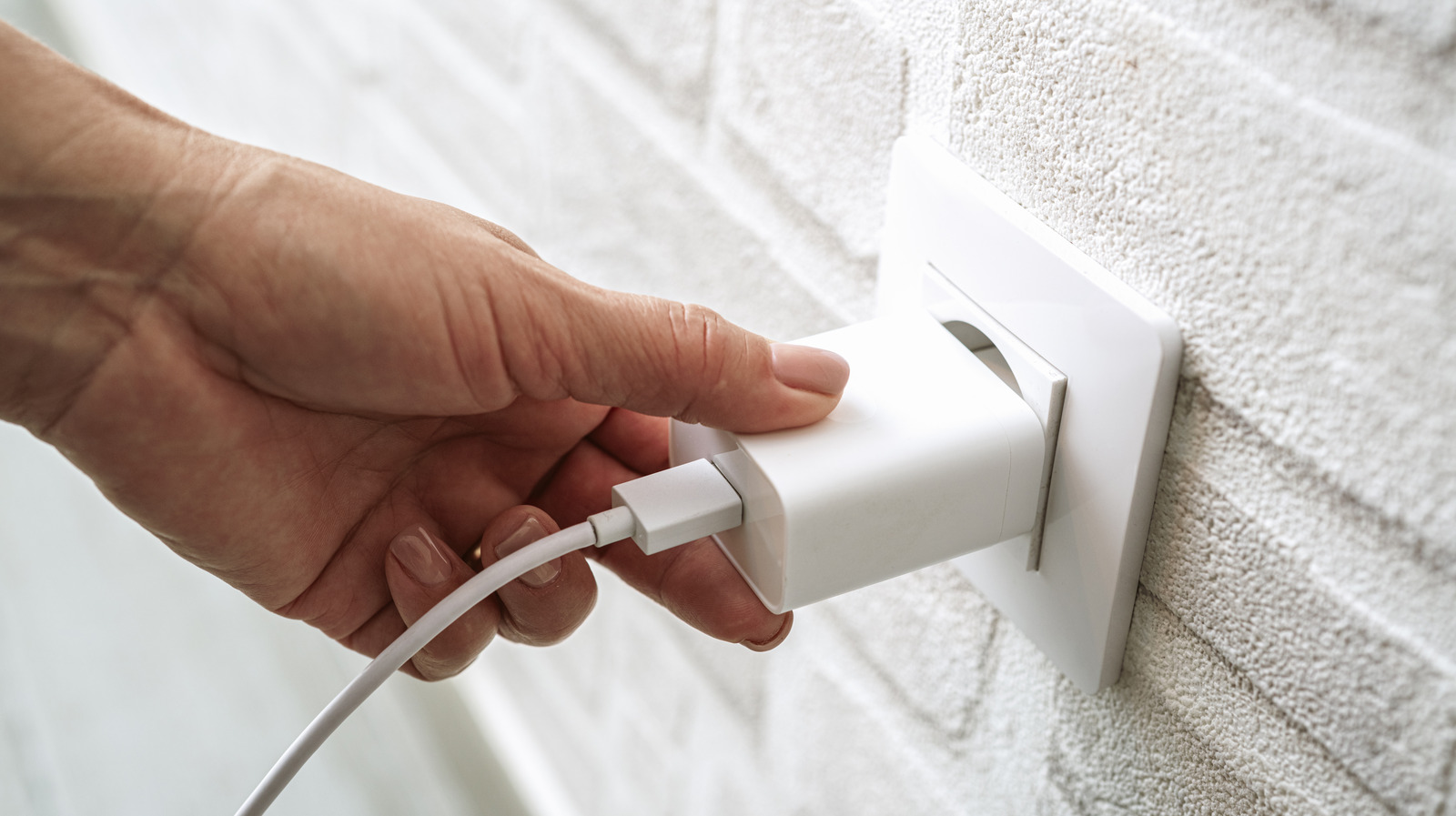
Electricity powers modern life, but using it safely requires understanding the limits of household outlets. Overloading these outlets can lead to serious hazards, including electrical fires. The general consensus among safety experts suggests that a single 15-amp outlet should handle a maximum of between 1,500 watts and 1,800 watts. Knowing these limits is crucial for preventing dangerous situations in homes.
Assessing Outlet Capacity
Typically, wall outlets are designed with two to four plug-in spots. While power strips can increase the number of devices connected, they also elevate the risk of overloading a circuit. Each appliance draws a specific amount of power, and it’s essential to consider the wattage before plugging in multiple devices. For example, charging devices like phones and tablets, which may draw around 45 watts to 140 watts, are generally safe to connect. In contrast, high-wattage devices like hairdryers or space heaters can exceed 1,500 watts, creating a higher risk of overload.
Understanding your home’s electrical system is just the beginning. Other factors contribute to safe usage, such as the choice of devices and proper management of power strips and extension cords.
Best Practices for Device Usage
Power strips can safely accommodate small appliances, like lamps and phone chargers. However, larger appliances, including stoves and refrigerators, should be plugged directly into wall outlets. These heavy-duty devices can draw too much power, posing a fire hazard if connected to a power strip. As a rule, only one major appliance should occupy each outlet.
Chaining power strips is another common mistake that can overload circuits quickly. Similarly, caution is required when using extension cords. It’s advisable not to connect multiple extension cords or to power high-wattage devices, such as space heaters, with them. Such practices can lead to overheating and increase the risk of fires.
Certain devices should never be plugged into Ground Fault Circuit Interrupter (GFCI) outlets, which are designed to prevent electrical shock in areas like kitchens and bathrooms. Knowing the appropriate devices for specific outlets is crucial for maintaining safety.
Ultimately, staying informed about electrical safety is essential for protecting yourself and your home. Understanding the limits of your electrical system and adhering to best practices can significantly reduce the risk of electrical hazards.

Revolutionary Photonic Ski-Jump Could Miniaturize LiDAR Systems

Couples Detox from Plastics in New Netflix Doc: Can It Boost Fertility?

Aventon Launches Affordable Full-Suspension Electric Mountain Bike

Discover Eight Must-Try Restaurants This Spring Season

UC Irvine Team Unveils Innovative Ion Pump for Water Treatment

One-Third of Americans Trim Daily Expenses for Healthcare Needs

Apple Secures First Oscar in Three Years with F1: The Movie

Fourth Graders Celebrate St. Patrick’s Day with Creative Weather Drawings

Kim Kardashian Dazzles at Vanity Fair Oscars Party 2026

Nostradamus’ 2026 Predictions: Star Death and Dark Events Loom

Breakthroughs and Challenges Await Science in 2026

Electric Moto Influencer Surronster Arrested in Tijuana

OpenAI to Implement Age Verification for ChatGPT by December 2025

Discover the Top 10 Calorie Counting Apps of 2025

Bella Hadid Shares Health Update After Treatment for Lyme Disease

Analysts Project Stronger Growth for Apple’s iPhone 17 Lineup

Japanese Study Finds Rose Oil Can Increase Brain Gray Matter

Top 10 Penny Stocks to Watch in 2026 for Strong Returns
-
 Science3 months ago
Nostradamus’ 2026 Predictions: Star Death and Dark Events Loom
-
 Science3 months ago
Breakthroughs and Challenges Await Science in 2026
-
 Technology7 months ago
Electric Moto Influencer Surronster Arrested in Tijuana
-
 Technology4 months ago
OpenAI to Implement Age Verification for ChatGPT by December 2025
-
 Technology9 months ago
Discover the Top 10 Calorie Counting Apps of 2025
-
 Health7 months ago
Bella Hadid Shares Health Update After Treatment for Lyme Disease
-
 Health7 months ago
Analysts Project Stronger Growth for Apple’s iPhone 17 Lineup
-
 Health7 months ago
Japanese Study Finds Rose Oil Can Increase Brain Gray Matter
-
 Technology4 months ago
Top 10 Penny Stocks to Watch in 2026 for Strong Returns
-

 Science6 months ago
Starship V3 Set for 2026 Launch After Successful Final Test of Version 2
-

 Technology1 month ago
Nvidia GTC 2026: Major Announcements Expected for AI and Hardware
-

 Education7 months ago
Harvard Secures Court Victory Over Federal Funding Cuts