
Technology
Researchers Achieve Breakthrough in Micro-LED Display Technology

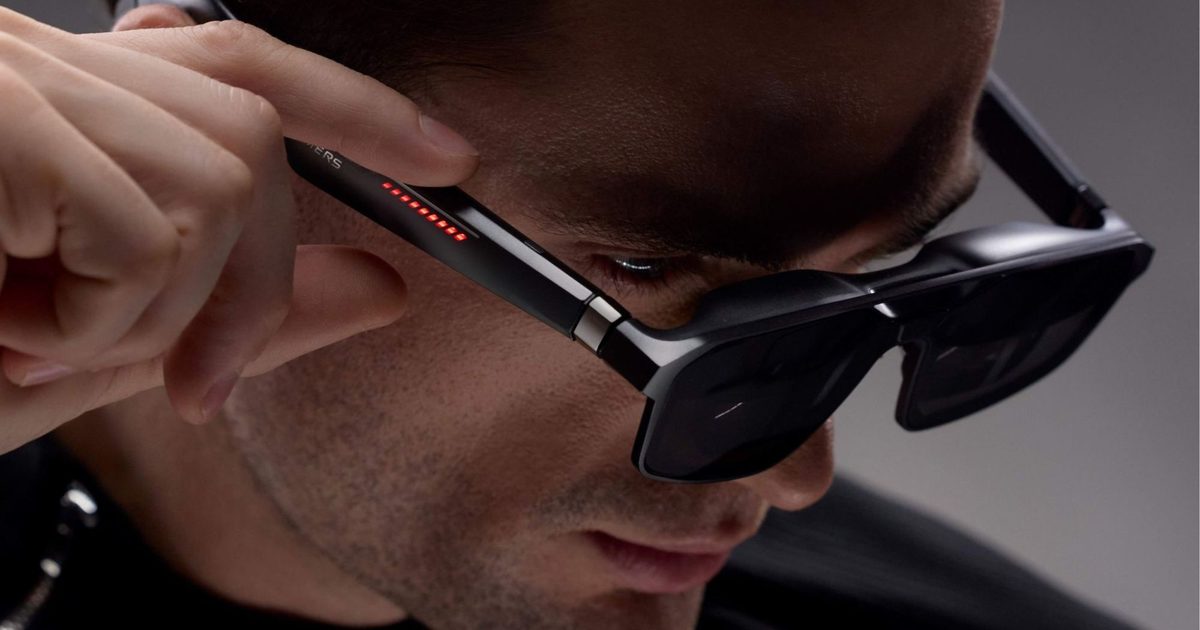
A team of researchers led by Professor Sanghyeon Kim from the School of Electrical Engineering, in collaboration with Inha University and industry partners, has developed a micro-LED display technology that delivers ultra-high resolution visuals. This innovation could significantly enhance the experience of users in augmented reality (AR) and mixed-reality smartglasses.
The new micro-LED displays achieve a remarkable resolution of approximately 1,700 pixels per inch (PPI), making them three to four times sharper than most current flagship smartphone screens. This level of detail could transform the immersive experience of wearable technology, allowing for visuals that are more convincing and engaging than ever before.
Micro-LEDs represent a self-emissive display technology with distinct advantages over traditional OLEDs. These include greater brightness, longer lifespan, and enhanced power efficiency, which are essential for compact devices like smartglasses that rely on battery power. Historically, creating ultra-high-resolution micro-LED displays in such small form factors posed a significant engineering challenge, particularly in developing tiny red pixels that operate efficiently without excessive power consumption.
Overcoming Technical Challenges
The research team successfully tackled one of the most pressing challenges in the field by designing energy-efficient red micro-LED elements capable of extremely fine pixel packing. Prototype demonstrations of these micro-LED displays achieved a resolution density of around 1,700 PPI. This high pixel density supports clear, detailed visuals even at close viewing distances, which is crucial for AR glasses and virtual reality (VR) headsets.
This breakthrough could eliminate the common “screen door” effect that often plagues near-eye displays, where users notice pixelation and a lack of clarity. As a result, the potential of these displays extends beyond just smartglasses; they may also play a pivotal role in the broader spectrum of wearables and extended reality (XR) devices, where characteristics such as brightness, durability, and efficiency are increasingly important.
Future Implications for AR and VR Devices
As the micro-LED display market evolves, innovations like this one are positioned to advance AR and VR products, making them more practical, affordable, and appealing to a wider audience. Currently, the technology remains in the development phase, indicating that further refinement is needed before it can be integrated into consumer devices.
Nonetheless, this advancement brings the reality of lighter and sharper smartglasses closer, offering users an experience that more closely resembles real life. As research progresses, the potential for these displays to revolutionize the way we interact with digital environments becomes increasingly tangible.







Revolutionary Photonic Ski-Jump Could Miniaturize LiDAR Systems

Couples Detox from Plastics in New Netflix Doc: Can It Boost Fertility?

Aventon Launches Affordable Full-Suspension Electric Mountain Bike

Discover Eight Must-Try Restaurants This Spring Season

UC Irvine Team Unveils Innovative Ion Pump for Water Treatment

One-Third of Americans Trim Daily Expenses for Healthcare Needs

Apple Secures First Oscar in Three Years with F1: The Movie

Fourth Graders Celebrate St. Patrick’s Day with Creative Weather Drawings

Kim Kardashian Dazzles at Vanity Fair Oscars Party 2026

Nostradamus’ 2026 Predictions: Star Death and Dark Events Loom

Breakthroughs and Challenges Await Science in 2026

Electric Moto Influencer Surronster Arrested in Tijuana

OpenAI to Implement Age Verification for ChatGPT by December 2025

Discover the Top 10 Calorie Counting Apps of 2025

Bella Hadid Shares Health Update After Treatment for Lyme Disease

Analysts Project Stronger Growth for Apple’s iPhone 17 Lineup

Japanese Study Finds Rose Oil Can Increase Brain Gray Matter

Top 10 Penny Stocks to Watch in 2026 for Strong Returns
-
 Science4 months ago
Nostradamus’ 2026 Predictions: Star Death and Dark Events Loom
-
 Science4 months ago
Breakthroughs and Challenges Await Science in 2026
-
 Technology7 months ago
Electric Moto Influencer Surronster Arrested in Tijuana
-
 Technology4 months ago
OpenAI to Implement Age Verification for ChatGPT by December 2025
-
 Technology9 months ago
Discover the Top 10 Calorie Counting Apps of 2025
-
 Health7 months ago
Bella Hadid Shares Health Update After Treatment for Lyme Disease
-
 Health7 months ago
Analysts Project Stronger Growth for Apple’s iPhone 17 Lineup
-
 Health8 months ago
Japanese Study Finds Rose Oil Can Increase Brain Gray Matter
-
 Technology4 months ago
Top 10 Penny Stocks to Watch in 2026 for Strong Returns
-

 Science6 months ago
Starship V3 Set for 2026 Launch After Successful Final Test of Version 2
-

 Technology2 months ago
Nvidia GTC 2026: Major Announcements Expected for AI and Hardware
-

 Education7 months ago
Harvard Secures Court Victory Over Federal Funding Cuts