
Technology
Oura Ring Users Report Overheating and Smoking Incidents

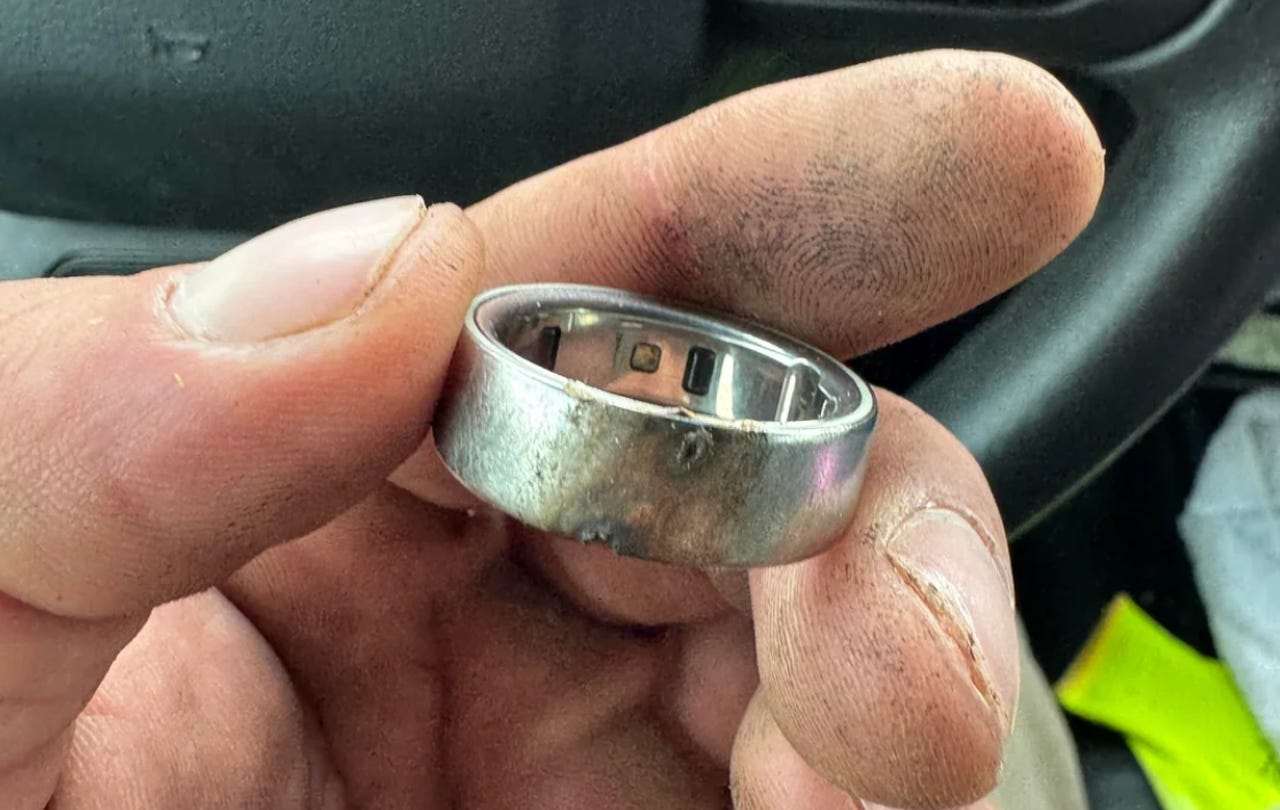
Two users of the Oura Ring, a popular health monitoring device, have reported alarming incidents involving their rings overheating and emitting smoke. These incidents raise concerns about the safety of smart rings, which are powered by lithium-ion batteries known for their potential to overheat if damaged or improperly charged.
A user on Reddit shared their experience of their Oura Ring smoking during a morning walk, resulting in a burn on their finger and a blister upon removal. The individual described the incident, stating, “My hand smells like electronic fire.” They had been using the ring for approximately four to five months when the issue occurred. In another now-deleted post, a second user claimed their ring was defective from the moment of purchase.
In response to these incidents, an Oura spokesperson emphasized the company’s commitment to safety. They stated, “We take any safety-related report seriously and are actively reviewing the recent posts on a case-by-case basis. While Reddit discussion threads can create the impression of scale, the two reported cases appear to be isolated incidents rather than a wider pattern.” The company is conducting thorough investigations, including third-party analysis, to understand the circumstances surrounding these incidents.
Since its launch, Oura has sold over 5.5 million rings, indicating significant consumer interest. The rings utilize compact lithium-ion batteries, which, while generally safe, can lead to thermal runaway situations that might cause battery fires if they are damaged or defective. Nonetheless, advancements in battery technology and stringent safety standards have improved the overall safety of these devices, as noted in a blog post by Relion in 2024.
The incidents with Oura Rings are not isolated within the smart ring industry. Earlier this year, a user reported that their Samsung Galaxy Ring had swollen around their finger before they boarded a flight, which led to the battery rupturing. The user stated that the ring had been malfunctioning for months, unable to hold a charge for longer than a day. These incidents highlight ongoing concerns regarding the reliability of smart ring technology.
While reports of overheating devices create legitimate concerns, experts like ZDNET’s Adrian Kingsley-Hughes reassure consumers that rechargeable batteries are typically safe. He advises users to remove their devices if they notice any malfunctioning.
In addition to the safety concerns, Oura users have also taken to online forums to voice issues related to battery life. Many customers who purchased the Oura Ring 4 less than a year ago reported experiencing reduced battery performance, despite the company’s claims that the rings can last up to eight days.
Oura has been responsive to customer feedback, indicating that they are actively working on improving software and features to mitigate battery aging. “Most members continue to experience between 5-8 days of battery life, as expected,” the spokesperson mentioned. They encouraged users to contact customer support for troubleshooting and potential replacements.
As the market for smart rings continues to grow, manufacturers like Oura are under pressure to ensure the safety and reliability of their products. The company’s proactive approach in addressing user concerns will be crucial in maintaining customer trust in the future.








Cuffless Blood Pressure Devices Show Potential, Yet Require Validation

Grapevine-Colleyville School Board Votes to Close Two Elementary Schools

Remembering Troy Blair: A Life of Service and Leadership

James Webb Space Telescope Reveals Unexplained Helium Tails from WASP-121b

Researchers Emphasize Genetic Roots of Autism Over Vaccines

Engineers Enhance Signal Testing with Advanced Spectrum Analysers

Oura Rings Face User Complaints of Smoking and Overheating

USC’s Chuck Murry Inspires Third Graders with Anatomy Lesson

AI Tool Predicts Cardiovascular Events in Angina Patients

Discover the Top 10 Calorie Counting Apps of 2025

Bella Hadid Shares Health Update After Treatment for Lyme Disease

OpenAI to Implement Age Verification for ChatGPT by December 2025

Erin Bates Shares Recovery Update Following Sepsis Complications

Discover How to Reverse Image Search Using ChatGPT Effortlessly

Analysts Project Stronger Growth for Apple’s iPhone 17 Lineup

Electric Moto Influencer Surronster Arrested in Tijuana

Discover 2025’s Top GPUs for Exceptional 4K Gaming Performance

Meta Initiates $60B AI Data Center Expansion, Starting in Ohio
-
 Technology5 months ago
Discover the Top 10 Calorie Counting Apps of 2025
-
 Health3 months ago
Bella Hadid Shares Health Update After Treatment for Lyme Disease
-
 Technology1 week ago
OpenAI to Implement Age Verification for ChatGPT by December 2025
-
 Health3 months ago
Erin Bates Shares Recovery Update Following Sepsis Complications
-
 Technology4 months ago
Discover How to Reverse Image Search Using ChatGPT Effortlessly
-
 Health3 months ago
Analysts Project Stronger Growth for Apple’s iPhone 17 Lineup
-
 Technology3 months ago
Electric Moto Influencer Surronster Arrested in Tijuana
-
 Technology1 month ago
Discover 2025’s Top GPUs for Exceptional 4K Gaming Performance
-
 Technology5 months ago
Meta Initiates $60B AI Data Center Expansion, Starting in Ohio
-

 Technology5 months ago
Recovering a Suspended TikTok Account: A Step-by-Step Guide
-

 Health5 months ago
Tested: Rab Firewall Mountain Jacket Survives Harsh Conditions
-

 Lifestyle5 months ago
Belton Family Reunites After Daughter Survives Hill Country Floods