
Technology
Mastering AV Budgeting for Small Business Events: Key Strategies

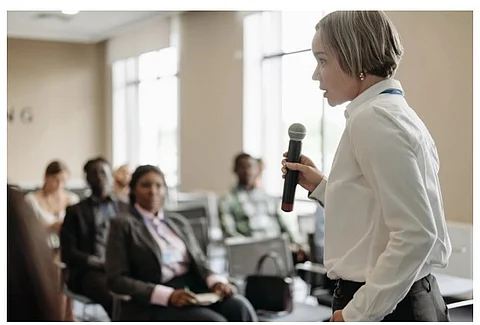
Planning audio-visual (AV) needs for small business events can be challenging, particularly when aiming to create a professional atmosphere without exceeding budget limits. Understanding the various factors that influence AV costs is essential for effective budgeting. This article outlines practical strategies to ensure a successful event while managing expenses.
Understanding AV Cost Drivers
To create an effective budget, it is important to recognize the main elements that impact the final expenses. Key variables include the type of equipment required, labor costs, and the technical requirements of the venue. For instance, venues that impose strict load-in times or mandate the use of in-house equipment can significantly increase overall costs. Conversely, simpler setups, such as a basic meeting room, typically remain within a more manageable price range.
Audio, video, and lighting equipment are generally priced on a daily basis. Even for smaller events, essential items like microphones, speakers, projectors, and screens must be accounted for. By concentrating on core necessities instead of optional enhancements, planners can effectively reduce costs.
Technical labor often constitutes the largest portion of an AV budget. Labor rates are influenced by factors such as event duration, the number of technicians needed, and whether setup occurs outside of regular hours. In cities like Atlanta, GA, the cost of labor can surpass that of equipment. Researching local labor rates through reputable providers can help in creating more accurate budget forecasts. Additionally, some venues may require the use of their in-house AV team while others permit outside vendors, which can further affect costs.
Fees for items like power drops, rigging points, and internet access can also lead to unexpected expenses, as highlighted by DojoBusiness.
Creating a Practical AV Budget
Once the cost drivers are understood, creating a straightforward and flexible budget becomes achievable. Begin by defining the event’s goals and identifying the essentials. This approach helps to avoid spending on unnecessary extras that do not enhance the audience’s experience. Start by focusing on what attendees need to see and hear, then estimate the required quantities and consider the room layout.
For many small business events, a streamlined gear list can meet requirements without straining the budget. A checklist can help avoid surprises and simplify the process of comparing quotes from various vendors. Key considerations include:
– Room size and anticipated attendance
– Number of microphones and screens needed
– Load-in and setup time requirements
It is common for different vendors to provide varying quotes for similar setups. Some companies own their equipment while others rely on rentals. Logistics and customization can also impact pricing. Thus, it is crucial to compare not just total costs but also labor hours, equipment specifications, and overtime policies.
Tips for Staying Within Budget
Minor adjustments can lead to significant savings. Selecting a venue with easy access, planning content in advance, and limiting the number of technical cues can streamline operations and reduce labor hours.
Providing vendors with a detailed run of show, slides, and media files well ahead of the event minimizes troubleshooting on the day itself, thereby reducing the need for last-minute labor. Even if event materials have been created using automation tools, timely distribution is essential.
Whenever possible, choose a venue that already meets your AV needs with minimal additions. Features like natural lighting, built-in screens, or good acoustics can help reduce the necessity for rented equipment. Retaining diagrams, quotes, and technical notes from each event can expedite planning for future occasions.
In conclusion, an effective AV budget is not about cutting corners; it involves making intentional decisions that align with the event’s objectives while avoiding unnecessary expenditures. By understanding cost factors, comparing quotes thoughtfully, and maintaining clear communication with vendors, planners can enhance the overall experience for attendees. With each event, businesses can refine their budgeting process, making future planning more efficient and focused on delivering value.

Loney’s Flower Bar Enhances Downtown Cumberland with Unique Offerings

Transplanted Neural Stem Cells Show Promise for Vision Preservation

New HIV-Sequencing Tool Discovers Active Virus Reservoir Cells

AI’s Role in Shaping Financial Strategies for 2026

Research Strategies for Post-60 Career Planning Unveiled

West Rusk ISD Board Names Jake Jackson as Lone Finalist for Superintendent

Scientists Uncover Mechanism Behind Touch Sensation in Humans

Study Reveals How Gut Proteins Foster Food Tolerance

Five 3D Printed Innovations Outperform Amazon Purchases

Nostradamus’ 2026 Predictions: Star Death and Dark Events Loom

Breakthroughs and Challenges Await Science in 2026

OpenAI to Implement Age Verification for ChatGPT by December 2025

Discover the Top 10 Calorie Counting Apps of 2025

Electric Moto Influencer Surronster Arrested in Tijuana

Bella Hadid Shares Health Update After Treatment for Lyme Disease

Analysts Project Stronger Growth for Apple’s iPhone 17 Lineup

Top 10 Penny Stocks to Watch in 2026 for Strong Returns

Japanese Study Finds Rose Oil Can Increase Brain Gray Matter
-
 Science2 months ago
Nostradamus’ 2026 Predictions: Star Death and Dark Events Loom
-
 Science2 months ago
Breakthroughs and Challenges Await Science in 2026
-
 Technology3 months ago
OpenAI to Implement Age Verification for ChatGPT by December 2025
-
 Technology8 months ago
Discover the Top 10 Calorie Counting Apps of 2025
-
 Technology6 months ago
Electric Moto Influencer Surronster Arrested in Tijuana
-
 Health6 months ago
Bella Hadid Shares Health Update After Treatment for Lyme Disease
-
 Health6 months ago
Analysts Project Stronger Growth for Apple’s iPhone 17 Lineup
-
 Technology3 months ago
Top 10 Penny Stocks to Watch in 2026 for Strong Returns
-
 Health6 months ago
Japanese Study Finds Rose Oil Can Increase Brain Gray Matter
-

 Science5 months ago
Starship V3 Set for 2026 Launch After Successful Final Test of Version 2
-

 Education6 months ago
Harvard Secures Court Victory Over Federal Funding Cuts
-

 Health6 months ago
Erin Bates Shares Recovery Update Following Sepsis Complications