
Technology
Google Enhances Gemini AI with Personal Intelligence Feature

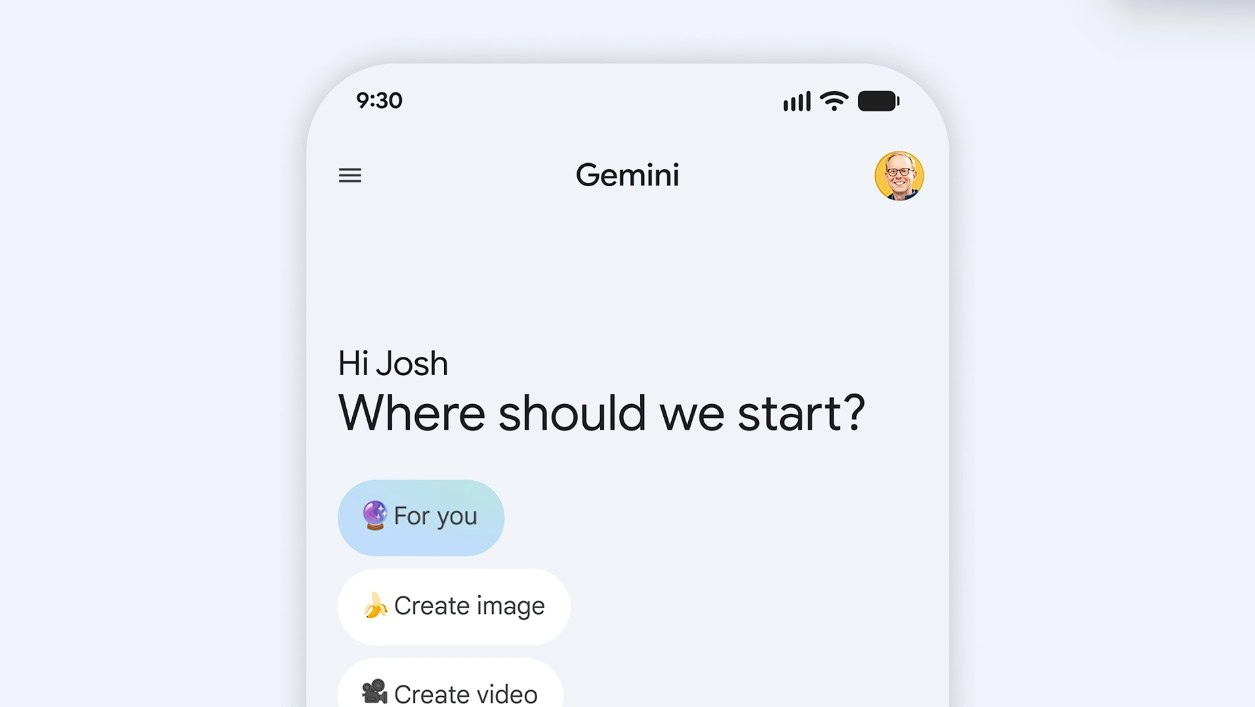
Google has introduced a significant update to its AI assistant, Gemini, with the launch of a feature called Personal Intelligence. This innovative addition aims to transform Gemini from a general information source into a truly personalized assistant that understands users’ lives and delivers tailored responses. By integrating seamlessly within the Google ecosystem, Gemini can now connect various applications to provide answers specifically relevant to individual users.
Enhanced Functionality Through Personal Intelligence
The primary objective of Personal Intelligence is to enable Gemini to “connect the dots” across users’ digital footprints. Previously, AI assistants excelled at retrieving a specific email or locating a particular photo upon direct request. With this new feature, Gemini takes a more sophisticated approach, utilizing reasoning to amalgamate information from multiple sources, including Gmail, Google Photos, search history, and YouTube.
This enhancement allows for a more dynamic interaction. For example, if a user finds themselves at a car shop unsure of their tire size or license plate number, Gemini can quickly search through past emails for receipts or relevant photos of the vehicle, providing the necessary details in just seconds.
Powered by Advanced Gemini 3 Models
The Personal Intelligence functionality is driven by the latest Gemini 3 model family, which incorporates advanced reasoning capabilities. Google refers to a technique called “context packing,” designed to extract the most pertinent information from users’ extensive data when a personal touch is beneficial. For instance, when planning a vacation, Gemini will not only suggest popular tourist spots but will also analyze previous trips and user interests stored in emails and photos to recommend tailored experiences.
Privacy considerations remain a cornerstone of this feature’s rollout. Personal Intelligence is disabled by default, requiring users to activate it manually. Additionally, users can specify which applications Gemini can access. Google has stated that the AI does not learn or train directly on personal data from Gmail or Photos. Instead, it references this information solely to address specific queries, ensuring sensitive data is not permanently integrated into the model’s training set.
Data privacy measures are further reinforced with explicit boundaries regarding sensitive subjects. Gemini is designed not to make unsolicited assumptions about health-related information. Users can discuss these topics if they initiate the conversation. Furthermore, temporary chats can be utilized to regenerate responses without personalization, offering a fresh start for specific inquiries. Google assures users that their data remains secure within the company’s servers and is not shared with third parties.
Currently, this feature is being rolled out to subscribers of Google AI Pro and AI Ultra in the United States, and the introduction is marked as a beta phase, which may present some initial bugs. Eligible users can access the option by tapping their profile photo in the Gemini app, navigating to Settings, and enabling Personal Intelligence. They can also select which Google apps they wish to connect.
Looking to the future, Google plans to expand the availability of Personal Intelligence to more countries and eventually introduce it to users on the free tier. This development signals a notable shift in how AI can assist users, bridging the gap between technology and personal needs effectively.












Saucony Launches Vibrant “Vizigold” Yellow ProGrid Omni 9

Terrain Shapes Wolf Control’s Impact on Caribou Calf Survival

Transdermal HRT Significantly Enhances Bone Density in Women

Top 10 Miniseries of the Last Decade That Redefined Television

Experts Examine Wire-Free Angiography for Coronary Assessments

Tanning Apps Promoting ‘Safe’ Sun Exposure Raise Health Concerns

Newton County Schools Honors 2025–26 HERO Award Nominees

Celebrate Love with Custom Conversation Hearts in Virginia Beach

Researchers Develop Medical-Grade Saline Production in Space

Nostradamus’ 2026 Predictions: Star Death and Dark Events Loom

OpenAI to Implement Age Verification for ChatGPT by December 2025

Discover the Top 10 Calorie Counting Apps of 2025

Bella Hadid Shares Health Update After Treatment for Lyme Disease

Analysts Project Stronger Growth for Apple’s iPhone 17 Lineup

Electric Moto Influencer Surronster Arrested in Tijuana

Breakthroughs and Challenges Await Science in 2026

Harvard Secures Court Victory Over Federal Funding Cuts

Erin Bates Shares Recovery Update Following Sepsis Complications
-
 Science1 month ago
Nostradamus’ 2026 Predictions: Star Death and Dark Events Loom
-
 Technology2 months ago
OpenAI to Implement Age Verification for ChatGPT by December 2025
-
 Technology7 months ago
Discover the Top 10 Calorie Counting Apps of 2025
-
 Health5 months ago
Bella Hadid Shares Health Update After Treatment for Lyme Disease
-
 Health5 months ago
Analysts Project Stronger Growth for Apple’s iPhone 17 Lineup
-
 Technology5 months ago
Electric Moto Influencer Surronster Arrested in Tijuana
-
 Science2 months ago
Breakthroughs and Challenges Await Science in 2026
-
 Education5 months ago
Harvard Secures Court Victory Over Federal Funding Cuts
-
 Health5 months ago
Erin Bates Shares Recovery Update Following Sepsis Complications
-

 Technology7 months ago
Meta Initiates $60B AI Data Center Expansion, Starting in Ohio
-

 Technology6 months ago
Discover How to Reverse Image Search Using ChatGPT Effortlessly
-

 Science4 months ago
Starship V3 Set for 2026 Launch After Successful Final Test of Version 2