
Technology
EU Cancels 2035 Gas Car Ban, Sets New Emission Goals

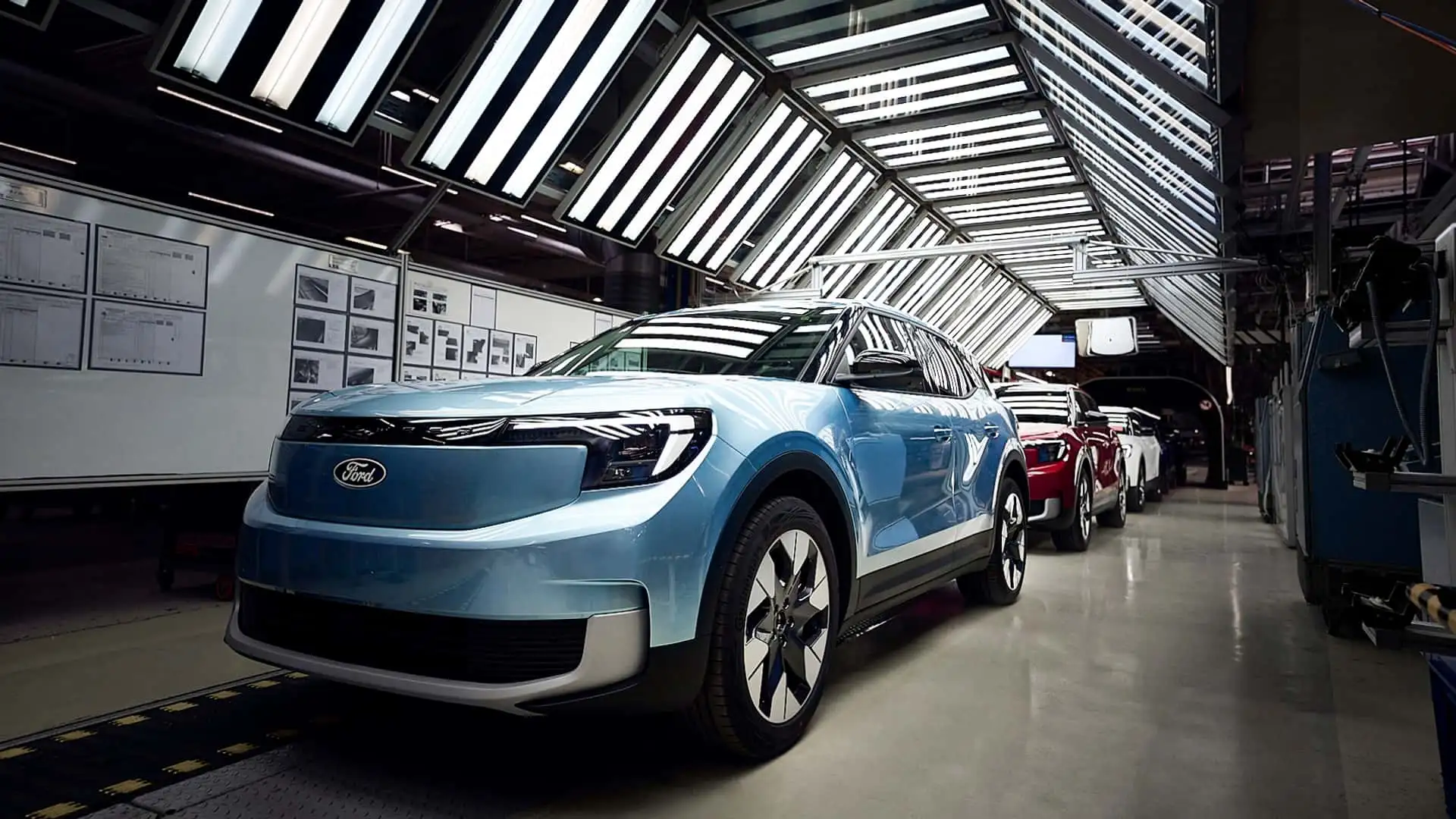
The European Union has officially abandoned its proposed ban on gas-powered vehicles, initially set to take effect in 2035. Instead, the EU will now require automakers to achieve a 90% reduction in fleet emissions compared to 2021 levels, rather than a complete 100% reduction. This decision, announced by the European Commission, allows for the continued use of traditional combustion vehicles, as well as mild hybrids, full hybrids, and plug-in hybrids.
Under the revised rules, car manufacturers selling new passenger vehicles in the EU will now need to lower their tailpipe emissions significantly. While the original plan aimed for a total ban on combustion engines, the new targets will enable manufacturers to utilize alternatives such as e-fuels and biofuels to offset the remaining 10% of emissions. The European Commission also pledged nearly $1.8 billion (€1.5 billion) in interest-free loans to support the production of EU-made battery cells.
Impact on Automakers and Emissions Standards
This adjustment has been perceived as a concession after considerable lobbying from the automotive industry. Nevertheless, manufacturers will still face substantial pressure to transition towards zero-emission vehicles by the target year. For instance, a major company like Volkswagen, which recorded an average carbon dioxide emission of 118.5 grams/km in 2021, must reduce that figure to just 11.85 g CO2/km by 2035. Achieving such drastic reductions will necessitate a shift towards electric vehicles, hybrids, and extended-range electric vehicles (EREVs).
It is essential to note that these emissions calculations are based on the Worldwide Harmonized Light Vehicles Test Procedure (WLTP), which has faced criticism for yielding misleading results, particularly for plug-in hybrids. Discussions have emerged regarding amendments to the testing standards to provide a more accurate representation of vehicle emissions, although no formal changes have yet occurred.
The European Commission has indicated that public funding for zero- and low-emission vehicles will only be accessible for those produced within the EU. Despite this, Chinese automakers such as Xpeng have already established a presence in the European market, with some companies assembling vehicles locally.
Concerns and Future Developments
Critics argue that softening the emissions targets may inadvertently pave the way for an influx of hybrid vehicles from China. Chinese manufacturers like Xpeng and GAC are already competing in the EU with a range of electric and plug-in hybrid vehicles, and more are expected to follow suit.
In an effort to facilitate the transition to a greener automotive sector, the European Commission has introduced a $2.1 billion (€1.8 billion) Battery Booster strategy aimed at developing an EU-based battery supply chain. This initiative includes $1.8 billion (€1.5 billion) allocated for interest-free loans to support the establishment of battery manufacturing facilities.
Additionally, the Commission has streamlined access to EU-wide incentives for automakers, creating a new category for Small Affordable Cars. This category targets electric vehicles measuring less than 4.2 meters in length, allowing member states to develop specific incentives to stimulate demand for small, EU-made electric vehicles.
In a separate but related development, the EU has reduced the carbon dioxide target reduction for vans from 50% to 40% by 2030. Member states will be required to ensure a certain percentage of new corporate cars and vans registered within their jurisdictions meet zero- or low-emission standards starting in 2030. While national authorities will have the flexibility to determine how to meet these targets, vehicles must be manufactured in the EU to qualify for funding.
The decision to relax the emissions targets reflects the complex balance the EU is attempting to strike between advancing environmental goals and accommodating the automotive industry’s economic realities. As the situation evolves, the response from automakers and the potential influx of foreign competition will shape the future of the EU’s automotive landscape.












Revolutionary Photonic Ski-Jump Could Miniaturize LiDAR Systems

Couples Detox from Plastics in New Netflix Doc: Can It Boost Fertility?

Aventon Launches Affordable Full-Suspension Electric Mountain Bike

Discover Eight Must-Try Restaurants This Spring Season

UC Irvine Team Unveils Innovative Ion Pump for Water Treatment

One-Third of Americans Trim Daily Expenses for Healthcare Needs

Apple Secures First Oscar in Three Years with F1: The Movie

Fourth Graders Celebrate St. Patrick’s Day with Creative Weather Drawings

Kim Kardashian Dazzles at Vanity Fair Oscars Party 2026

Nostradamus’ 2026 Predictions: Star Death and Dark Events Loom

Breakthroughs and Challenges Await Science in 2026

Electric Moto Influencer Surronster Arrested in Tijuana

OpenAI to Implement Age Verification for ChatGPT by December 2025

Discover the Top 10 Calorie Counting Apps of 2025

Bella Hadid Shares Health Update After Treatment for Lyme Disease

Analysts Project Stronger Growth for Apple’s iPhone 17 Lineup

Japanese Study Finds Rose Oil Can Increase Brain Gray Matter

Top 10 Penny Stocks to Watch in 2026 for Strong Returns
-
 Science3 months ago
Nostradamus’ 2026 Predictions: Star Death and Dark Events Loom
-
 Science4 months ago
Breakthroughs and Challenges Await Science in 2026
-
 Technology7 months ago
Electric Moto Influencer Surronster Arrested in Tijuana
-
 Technology4 months ago
OpenAI to Implement Age Verification for ChatGPT by December 2025
-
 Technology9 months ago
Discover the Top 10 Calorie Counting Apps of 2025
-
 Health7 months ago
Bella Hadid Shares Health Update After Treatment for Lyme Disease
-
 Health7 months ago
Analysts Project Stronger Growth for Apple’s iPhone 17 Lineup
-
 Health7 months ago
Japanese Study Finds Rose Oil Can Increase Brain Gray Matter
-
 Technology4 months ago
Top 10 Penny Stocks to Watch in 2026 for Strong Returns
-

 Science6 months ago
Starship V3 Set for 2026 Launch After Successful Final Test of Version 2
-

 Technology1 month ago
Nvidia GTC 2026: Major Announcements Expected for AI and Hardware
-

 Education7 months ago
Harvard Secures Court Victory Over Federal Funding Cuts