
Science
Yale Researchers Unveil Scalable Neuromorphic Chips for AI Advances

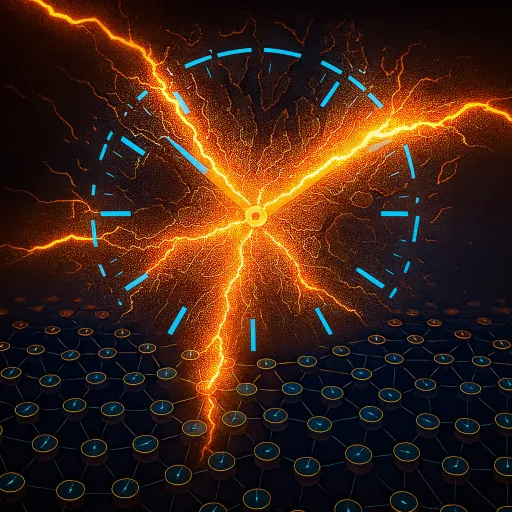
Neuromorphic chips, designed to emulate brain functions, have taken a significant step towards scalability. Researchers at Yale University, led by Prof. Rajit Manohar, have introduced a new system known as NeuroScale. This innovative approach aims to overcome existing limitations in neuromorphic chip technology, particularly the challenges posed by global synchronization protocols.
These chips serve as essential tools for studying brain computation and developing artificial neural networks inspired by neuroscience. While they do not perfectly replicate human brain functions, they can be interconnected to create systems comprising over a billion artificial neurons. Each neuron operates by processing information through individual “spiking,” which allows neuromorphic systems to consume significantly less energy compared to conventional computing models. This energy efficiency stems from their sparse, event-driven operations, making them particularly effective for tasks such as distributed computing workloads.
Despite their advantages, traditional neuromorphic chips face substantial hurdles due to their dependency on global synchronization mechanisms. This reliance means that all artificial neurons and synapses must operate in unison, limiting the overall speed and scalability of the system. The synchronization process can become a bottleneck, as the performance is constrained by the slowest component in the network.
The NeuroScale system addresses this issue by implementing a local, distributed synchronization mechanism. Instead of synchronizing all components globally, NeuroScale focuses on synchronizing clusters of neurons and synapses that are directly interconnected. Congyang Li, a Ph.D. candidate and lead author of the research paper, emphasized the significance of this advancement: “Our NeuroScale uses a local, distributed mechanism to synchronize cores.”
This innovative approach not only enhances scalability but also aligns with the biological networks that these chips aim to model. The researchers have indicated that the scalability of NeuroScale is only limited by the same principles that govern biological systems.
Looking ahead, the team plans to transition from simulation and prototype stages to actual silicon implementation of the NeuroScale chip. They are also exploring a hybrid model that combines the synchronization features of their new system with those of conventional neuromorphic chips, potentially broadening the applications and efficiencies of neuromorphic technology.
The developments from Yale University signify a promising leap forward in neuromorphic computing, with potential implications for artificial intelligence and computational neuroscience. As these technologies evolve, they may pave the way for more efficient and powerful computing systems that closely mimic the intricacies of the human brain.












Revolutionary Photonic Ski-Jump Could Miniaturize LiDAR Systems

Couples Detox from Plastics in New Netflix Doc: Can It Boost Fertility?

Aventon Launches Affordable Full-Suspension Electric Mountain Bike

Discover Eight Must-Try Restaurants This Spring Season

UC Irvine Team Unveils Innovative Ion Pump for Water Treatment

One-Third of Americans Trim Daily Expenses for Healthcare Needs

Apple Secures First Oscar in Three Years with F1: The Movie

Fourth Graders Celebrate St. Patrick’s Day with Creative Weather Drawings

Kim Kardashian Dazzles at Vanity Fair Oscars Party 2026

Nostradamus’ 2026 Predictions: Star Death and Dark Events Loom

Breakthroughs and Challenges Await Science in 2026

Electric Moto Influencer Surronster Arrested in Tijuana

OpenAI to Implement Age Verification for ChatGPT by December 2025

Discover the Top 10 Calorie Counting Apps of 2025

Bella Hadid Shares Health Update After Treatment for Lyme Disease

Analysts Project Stronger Growth for Apple’s iPhone 17 Lineup

Japanese Study Finds Rose Oil Can Increase Brain Gray Matter

Top 10 Penny Stocks to Watch in 2026 for Strong Returns
-
 Science3 months ago
Nostradamus’ 2026 Predictions: Star Death and Dark Events Loom
-
 Science4 months ago
Breakthroughs and Challenges Await Science in 2026
-
 Technology7 months ago
Electric Moto Influencer Surronster Arrested in Tijuana
-
 Technology4 months ago
OpenAI to Implement Age Verification for ChatGPT by December 2025
-
 Technology9 months ago
Discover the Top 10 Calorie Counting Apps of 2025
-
 Health7 months ago
Bella Hadid Shares Health Update After Treatment for Lyme Disease
-
 Health7 months ago
Analysts Project Stronger Growth for Apple’s iPhone 17 Lineup
-
 Health7 months ago
Japanese Study Finds Rose Oil Can Increase Brain Gray Matter
-
 Technology4 months ago
Top 10 Penny Stocks to Watch in 2026 for Strong Returns
-

 Science6 months ago
Starship V3 Set for 2026 Launch After Successful Final Test of Version 2
-

 Technology1 month ago
Nvidia GTC 2026: Major Announcements Expected for AI and Hardware
-

 Education7 months ago
Harvard Secures Court Victory Over Federal Funding Cuts