
Science
Trump Declares Blockade on Venezuela Oil: A Constitutional Crisis

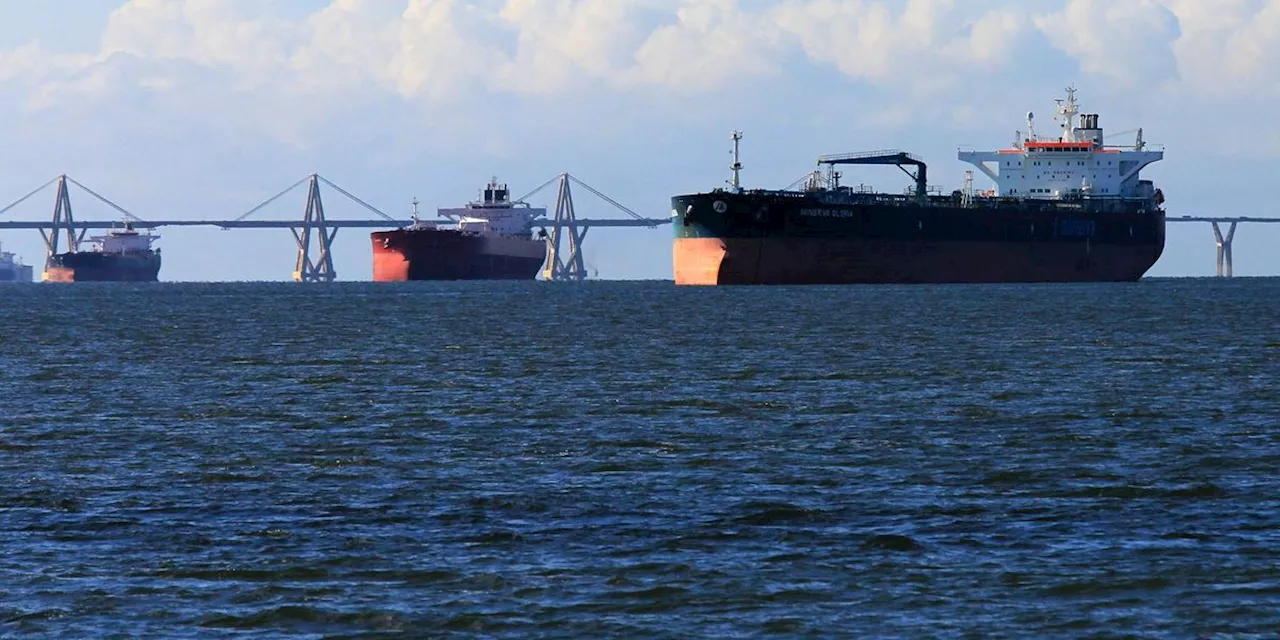
On December 16, 2025, former President Donald Trump announced a “total and complete blockade” on oil tankers entering or leaving Venezuela. This declaration, made through his personal media platform, signifies a dramatic shift in U.S. foreign policy and raises significant legal and constitutional concerns. Trump claimed that Venezuela was “completely surrounded by the largest Armada ever assembled in the History of South America” and stated that the blockade would persist until Venezuelan “oil, land, and other assets” were returned to the United States.
The ramifications of Trump’s blockade extend beyond diplomatic tensions; they challenge the legal framework governing U.S. military actions. The blockade, which is both undeclared and unauthorized, directly contravenes the War Powers Resolution. This legislation was enacted to limit the President’s ability to engage in military actions without congressional approval, specifically to prevent unilateral military escalation. Historically, U.S. administrations have utilized sanctions and diplomatic pressure in foreign resource disputes, but this move replaces those strategies with overt military coercion.
A Breach of Constitutional Authority
According to Article I of the U.S. Constitution, only Congress has the authority to declare war or authorize actions equivalent to warfare. While Article II empowers the President as Commander-in-Chief, it does not permit sustained military operations without legislative consent. The War Powers Resolution of 1973 was established to maintain this distinction, mandating that the President seek congressional authorization for any military action that might lead to hostilities.
The blockade, which involves controlling international waters and restricting maritime commerce, qualifies as a use of force under both domestic and international law. The assertion of control over naval access is inherently confrontational and represents an active military engagement, thus constituting a constitutional violation.
Challenging Historical Narratives
Trump’s justification for the blockade hinges on the claim that Venezuela “stole” American oil. This assertion lacks historical and legal backing. Venezuela’s oil sector was nationalized in 1976 with the establishment of Petróleos de Venezuela, S.A.. U.S. companies like ExxonMobil and ConocoPhillips were allowed to operate under negotiated agreements. In the early 2000s, Venezuela transitioned to joint ventures with majority state ownership, actions well within its rights under international law.
Disputes arising from these nationalization efforts were resolved through arbitration and negotiation, with affected companies seeking legal recourse rather than military intervention. Historically, the U.S. has relied on sanctions and diplomatic tools to address resource disputes in Latin America, making this blockade unprecedented and destabilizing to established international norms.
The distinction between sanctions and military action is crucial. Sanctions, enforced by the Office of Foreign Assets Control, regulate economic transactions, while military action does not authorize armed intervention against foreign vessels. The shift to a systematic blockade marks a dangerous escalation into armed coercion.
Implications for U.S. Governance
The implications of Trump’s blockade extend beyond Venezuela. If a President can execute a naval blockade without congressional consent based on economic or political grievances, the principle of separation of powers is at risk. This sets a troubling precedent where private claims could justify military action, transforming regulatory disputes into grounds for conflict.
To mitigate this crisis, Congress must reaffirm its constitutional role. Legislative measures, such as House Concurrent Resolution 64, can enforce the War Powers Resolution and curtail unauthorized military actions. Furthermore, the Executive should revert to lawful enforcement mechanisms, utilizing civil forfeiture, targeted sanctions, and international arbitration instead of coercive military operations.
The restoration of diplomatic engagement is essential. Disputes regarding Venezuela’s resource management should be addressed through negotiation and international claims processes rather than unilateral actions. The United States has long positioned itself as a defender of a rule-based international order; maintaining this reputation is vital for global stability.
The blockade may be perceived by some as a demonstration of strength, yet it represents a dangerous erosion of legal standards and constitutional governance. If unchecked, the ability of the President to impose blockades without legislative oversight transforms the Constitution from a safeguard into a mere suggestion. It is imperative that Congress, the courts, and the public demand adherence to legal frameworks and restore the balance of powers that defines the Republic.










New Discoveries in Paleontology Unveil Fascinating Dinosaur Insights

Turkey’s Medical Tourism Set for Growth with New Initiatives

Greeneville-Greene County Humane Society Celebrates Holiday Season

Embracing Christmas: Finding Joy Amid Change and Loss

Tenor Health Acquires Wilkes-Barre General in Major 2025 Deal

Researchers Unveil Nanotube Breakthrough to Enhance Electromagnetic Fields

Culinary Arts Students Showcase Creativity in Gingerbread Competition

Anoka County Launches Initiatives with Donations, Education, and Safety Upgrades

Researchers Target Cancer Cells by Inhibiting TIGIT Protein

Discover the Top 10 Calorie Counting Apps of 2025

OpenAI to Implement Age Verification for ChatGPT by December 2025

Bella Hadid Shares Health Update After Treatment for Lyme Disease

Analysts Project Stronger Growth for Apple’s iPhone 17 Lineup

Erin Bates Shares Recovery Update Following Sepsis Complications

Discover How to Reverse Image Search Using ChatGPT Effortlessly

Electric Moto Influencer Surronster Arrested in Tijuana

Meta Initiates $60B AI Data Center Expansion, Starting in Ohio

Discover 2025’s Top GPUs for Exceptional 4K Gaming Performance
-
 Technology5 months ago
Discover the Top 10 Calorie Counting Apps of 2025
-
 Technology3 weeks ago
OpenAI to Implement Age Verification for ChatGPT by December 2025
-
 Health3 months ago
Bella Hadid Shares Health Update After Treatment for Lyme Disease
-
 Health3 months ago
Analysts Project Stronger Growth for Apple’s iPhone 17 Lineup
-
 Health4 months ago
Erin Bates Shares Recovery Update Following Sepsis Complications
-
 Technology5 months ago
Discover How to Reverse Image Search Using ChatGPT Effortlessly
-
 Technology3 months ago
Electric Moto Influencer Surronster Arrested in Tijuana
-
 Technology5 months ago
Meta Initiates $60B AI Data Center Expansion, Starting in Ohio
-
 Technology2 months ago
Discover 2025’s Top GPUs for Exceptional 4K Gaming Performance
-

 Technology5 months ago
Recovering a Suspended TikTok Account: A Step-by-Step Guide
-

 Health5 months ago
Tested: Rab Firewall Mountain Jacket Survives Harsh Conditions
-

 Lifestyle5 months ago
Belton Family Reunites After Daughter Survives Hill Country Floods