
Science
Scientists Transform Human Brain Cells into Functional Biocomputers

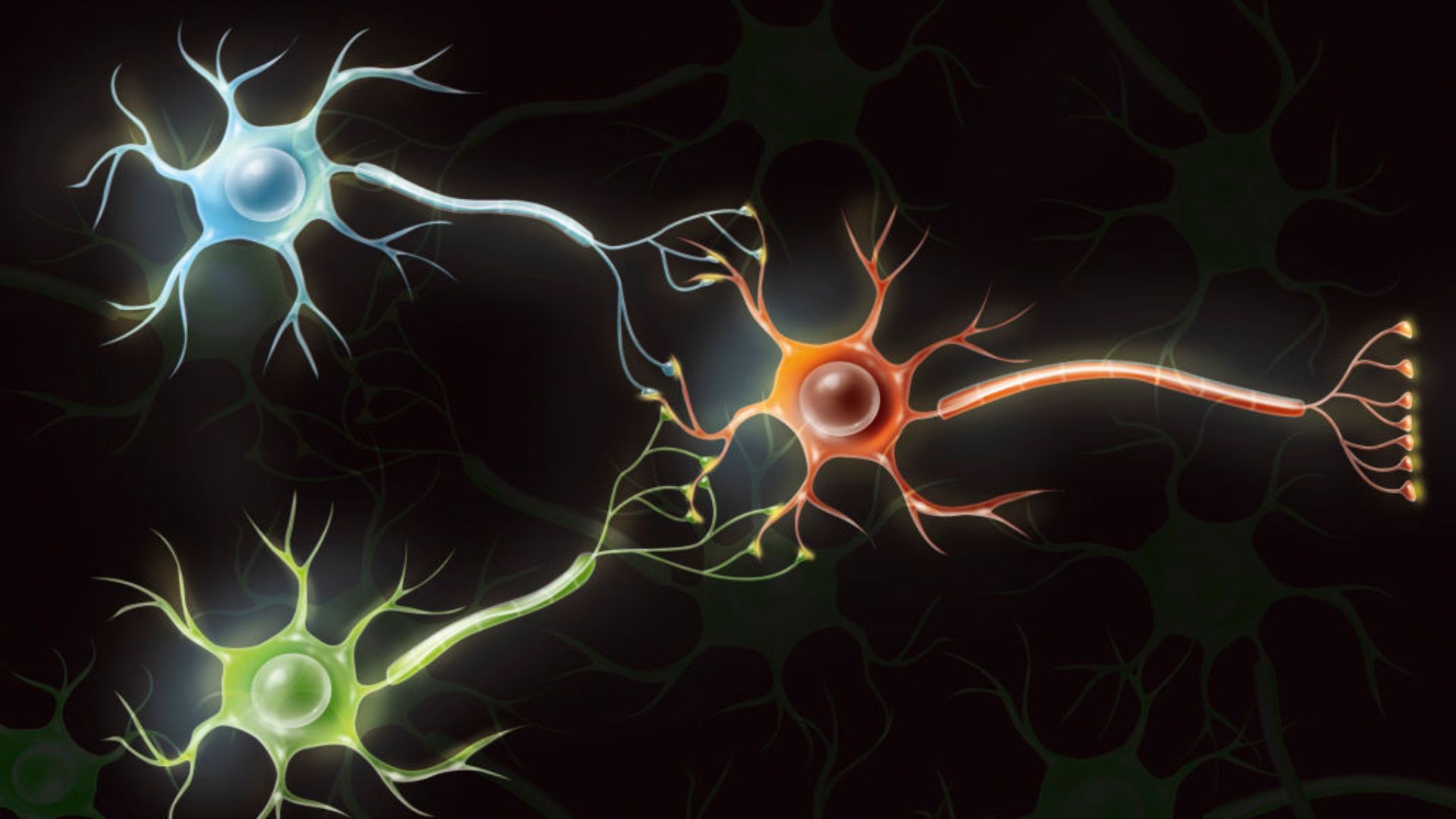
Researchers at Stanford University have made significant strides in the field of biocomputing by successfully transforming human brain cells into functional computers. This innovative approach utilizes biologically derived materials, including DNA, proteins, and lab-grown neurons, to perform complex computational tasks. The findings, published on March 15, 2024, mark a crucial step in merging biological systems with computational technology.
Biocomputers represent a new frontier in computational science. Unlike traditional computers that rely on silicon-based components, biocomputers operate using organic materials. This allows them to be more adaptive and potentially more efficient at certain tasks. The research team, led by Professor Mark M. Cohen, aims to explore the capabilities of these biologically based systems, which could revolutionize how we process information.
The project involved cultivating human neurons in a laboratory setting and integrating them into a computational framework. The neurons were engineered to respond to specific stimuli, enabling them to perform logical operations similar to those executed by conventional computers. This breakthrough could pave the way for applications in various fields, including artificial intelligence, medical diagnostics, and environmental monitoring.
Researchers believe that the use of living tissue in computing can lead to systems that are not only powerful but also capable of self-repair and adaptation. Professor Cohen emphasized the potential for biocomputers to process information in ways that mimic human thought processes. “Our goal is to create a system that learns and evolves,” he stated during a press conference.
The implications of this research extend beyond theoretical applications. By leveraging biological materials, scientists hope to develop more sustainable computing solutions that reduce reliance on non-renewable resources. This aligns with growing global efforts to find environmentally friendly technology alternatives.
While the technology is still in its infancy, the prospect of biocomputers raises important questions about ethics and the future of artificial intelligence. As machines become more like living organisms, society must consider the ramifications of such advancements. The research team is committed to addressing these issues as they continue their work.
Looking ahead, the team plans to enhance the efficiency and scalability of biocomputers. Future experiments will focus on integrating more complex neural networks and improving their computational capabilities. The potential applications for biocomputers are vast, ranging from medical devices that can diagnose diseases to programmable organisms that could address environmental challenges.
In summary, the transformation of human brain cells into functional computers represents a groundbreaking achievement in biocomputing. As researchers at Stanford University continue to explore this innovative technology, the future of computing may very well be rooted in biological systems, offering new possibilities for both science and society.








Revolutionary Photonic Ski-Jump Could Miniaturize LiDAR Systems

Couples Detox from Plastics in New Netflix Doc: Can It Boost Fertility?

Aventon Launches Affordable Full-Suspension Electric Mountain Bike

Discover Eight Must-Try Restaurants This Spring Season

UC Irvine Team Unveils Innovative Ion Pump for Water Treatment

One-Third of Americans Trim Daily Expenses for Healthcare Needs

Apple Secures First Oscar in Three Years with F1: The Movie

Fourth Graders Celebrate St. Patrick’s Day with Creative Weather Drawings

Kim Kardashian Dazzles at Vanity Fair Oscars Party 2026

Nostradamus’ 2026 Predictions: Star Death and Dark Events Loom

Breakthroughs and Challenges Await Science in 2026

Electric Moto Influencer Surronster Arrested in Tijuana

OpenAI to Implement Age Verification for ChatGPT by December 2025

Discover the Top 10 Calorie Counting Apps of 2025

Bella Hadid Shares Health Update After Treatment for Lyme Disease

Analysts Project Stronger Growth for Apple’s iPhone 17 Lineup

Japanese Study Finds Rose Oil Can Increase Brain Gray Matter

Top 10 Penny Stocks to Watch in 2026 for Strong Returns
-
 Science4 months ago
Nostradamus’ 2026 Predictions: Star Death and Dark Events Loom
-
 Science4 months ago
Breakthroughs and Challenges Await Science in 2026
-
 Technology7 months ago
Electric Moto Influencer Surronster Arrested in Tijuana
-
 Technology4 months ago
OpenAI to Implement Age Verification for ChatGPT by December 2025
-
 Technology9 months ago
Discover the Top 10 Calorie Counting Apps of 2025
-
 Health7 months ago
Bella Hadid Shares Health Update After Treatment for Lyme Disease
-
 Health7 months ago
Analysts Project Stronger Growth for Apple’s iPhone 17 Lineup
-
 Health7 months ago
Japanese Study Finds Rose Oil Can Increase Brain Gray Matter
-
 Technology4 months ago
Top 10 Penny Stocks to Watch in 2026 for Strong Returns
-

 Science6 months ago
Starship V3 Set for 2026 Launch After Successful Final Test of Version 2
-

 Technology1 month ago
Nvidia GTC 2026: Major Announcements Expected for AI and Hardware
-

 Education7 months ago
Harvard Secures Court Victory Over Federal Funding Cuts