
Science
Researchers Identify Asteroids for Future Mining Ventures

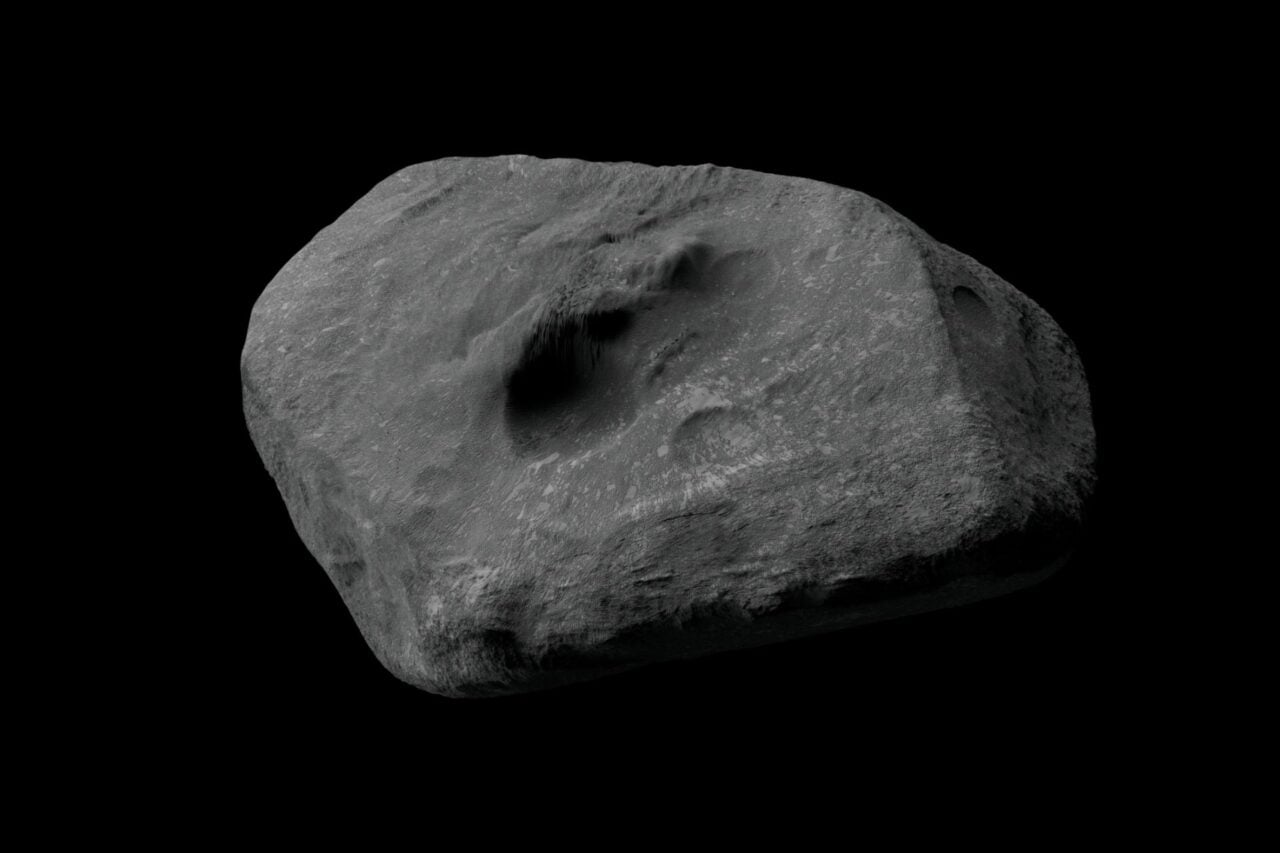
A new wave of space exploration is underway, focusing on the potential for mining asteroids. Researchers from Spain’s Institute of Space Sciences have dedicated over a decade to analyzing samples from carbon-rich asteroids, identifying promising targets for future mining missions. Their findings, published in the Monthly Notices of the Royal Astronomical Society, highlight a specific type of asteroid that could yield valuable resources.
The allure of asteroid mining has long captured the imagination, with proponents comparing it to the early days of space exploration. Pau Grèbol Tomás, a graduate student and co-author of the study, noted, “It sounds like science fiction, but it also seemed like science fiction when the first sample return missions were being planned thirty years ago.” This sentiment reflects the ongoing evolution of space technology.
Exploring Asteroid Mining Viability
Currently, asteroid mining remains largely theoretical, though recent missions have laid groundwork for future endeavors. NASA’s OSIRIS-REx mission successfully extracted material from an asteroid and returned it to Earth, demonstrating the feasibility of such operations. However, large-scale mining will necessitate advanced technologies, including propulsion systems, in-orbit refining, and large-scale reentry methods, many of which have yet to be developed.
Startups like California-based AstroForge are actively pursuing this frontier. In April 2023, AstroForge launched its first mission aimed at refining asteroid materials in orbit. Unfortunately, the company lost contact with its spacecraft, but such setbacks have not deterred interest in asteroid mining. The economic viability of mining these celestial bodies remains a critical consideration for these ventures.
Targeting Carbonaceous Chondrites
The researchers from the Institute of Space Sciences assessed 28 meteorite samples through meticulous chemical analysis, utilizing mass spectrometry techniques. Their work focused on six common types of carbonaceous chondrites—meteorites that contain carbon, water, and organic compounds—providing insights into the composition and history of asteroids.
According to lead author Josep M. Trigo-Rodríguez, the study aimed to determine the extraction viability of these materials. “Most asteroids have relatively small abundances of precious elements,” he explained. The analysis revealed that asteroids rich in minerals such as olivine and spinel present the most potential for future mining efforts. These minerals are associated with valuable resources like iron, nickel, gold, platinum, and rare earth elements, which are crucial for various technologies on Earth.
As interest in asteroid mining grows, researchers are keen to identify which asteroids offer the best prospects. Their findings could pave the way for a new era of resource extraction beyond our planet, fundamentally altering how we perceive and utilize space resources. The journey from science fiction to reality may be closer than ever, provided the necessary technological advancements continue to unfold.









Revolutionary Photonic Ski-Jump Could Miniaturize LiDAR Systems

Couples Detox from Plastics in New Netflix Doc: Can It Boost Fertility?

Aventon Launches Affordable Full-Suspension Electric Mountain Bike

Discover Eight Must-Try Restaurants This Spring Season

UC Irvine Team Unveils Innovative Ion Pump for Water Treatment

One-Third of Americans Trim Daily Expenses for Healthcare Needs

Apple Secures First Oscar in Three Years with F1: The Movie

Fourth Graders Celebrate St. Patrick’s Day with Creative Weather Drawings

Kim Kardashian Dazzles at Vanity Fair Oscars Party 2026

Nostradamus’ 2026 Predictions: Star Death and Dark Events Loom

Breakthroughs and Challenges Await Science in 2026

Electric Moto Influencer Surronster Arrested in Tijuana

OpenAI to Implement Age Verification for ChatGPT by December 2025

Discover the Top 10 Calorie Counting Apps of 2025

Bella Hadid Shares Health Update After Treatment for Lyme Disease

Analysts Project Stronger Growth for Apple’s iPhone 17 Lineup

Japanese Study Finds Rose Oil Can Increase Brain Gray Matter

Top 10 Penny Stocks to Watch in 2026 for Strong Returns
-
 Science4 months ago
Nostradamus’ 2026 Predictions: Star Death and Dark Events Loom
-
 Science4 months ago
Breakthroughs and Challenges Await Science in 2026
-
 Technology7 months ago
Electric Moto Influencer Surronster Arrested in Tijuana
-
 Technology4 months ago
OpenAI to Implement Age Verification for ChatGPT by December 2025
-
 Technology9 months ago
Discover the Top 10 Calorie Counting Apps of 2025
-
 Health7 months ago
Bella Hadid Shares Health Update After Treatment for Lyme Disease
-
 Health7 months ago
Analysts Project Stronger Growth for Apple’s iPhone 17 Lineup
-
 Health7 months ago
Japanese Study Finds Rose Oil Can Increase Brain Gray Matter
-
 Technology4 months ago
Top 10 Penny Stocks to Watch in 2026 for Strong Returns
-

 Science6 months ago
Starship V3 Set for 2026 Launch After Successful Final Test of Version 2
-

 Technology1 month ago
Nvidia GTC 2026: Major Announcements Expected for AI and Hardware
-

 Education7 months ago
Harvard Secures Court Victory Over Federal Funding Cuts