
Science
NASA Discovers 26 Resilient Microbes in Cleanrooms at Kennedy Space Center

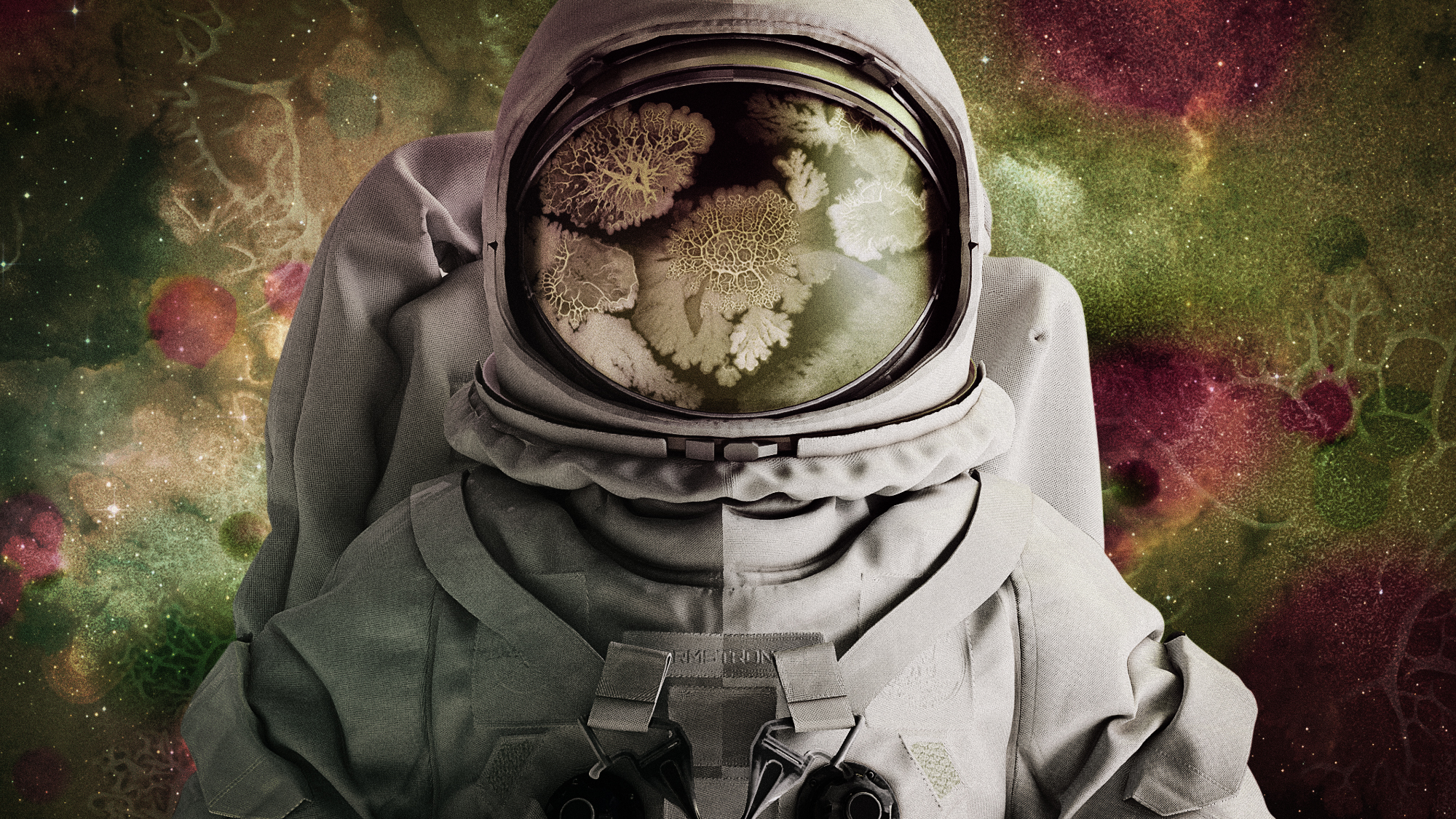
NASA has identified 26 previously unknown microbes in its cleanrooms at the Kennedy Space Center in Florida. These bacteria, known as extremophiles, were discovered despite stringent protocols designed to minimize contamination during spacecraft assembly. Their unique genetic components enable them to thrive in harsh conditions, raising important questions about planetary protection and the implications for future space missions.
Microbial Resilience in Controlled Environments
The cleanrooms at NASA are carefully maintained with regulated airflow, temperature control, and rigorous cleaning practices. According to a study published in the journal Microbiome, even with these measures, resilient microorganisms can persist, potentially endangering space missions. The 26 microbes found were discovered during the assembly of the Phoenix Mars Lander and are capable of resisting cleaning chemicals while adhering to sterile surfaces through the production of sticky films.
Many of these microbes also possess genes that protect their DNA from radiation damage and assist in cellular repair under oxidative stress. One notable bacterium, Tersicoccus phoenicis, has the ability to enter a dormant state in response to starvation and stress, making it undetectable by standard swabbing techniques used to monitor cleanroom surfaces. This characteristic raises concerns that such microbes could inadvertently be transported on spacecraft, undermining efforts to prevent contamination of other celestial bodies.
Implications for Space Exploration and Biotechnology
Alexandre Rosado, a co-author of the study, emphasized that cleanrooms do not guarantee the absence of life. “Our results show these new species are usually rare but can be found,” he stated. The presence of these extremophiles not only complicates planetary protection measures but also offers potential avenues for biotechnological advancements.
According to Junia Schultz, the study’s first author, understanding these hardy organisms is crucial. “Identifying these unusually resilient microbes and studying their survival strategies matters,” she noted in a statement. Any microbe capable of bypassing standard cleanroom controls could also evade safeguards intended to prevent contamination of extraterrestrial environments.
The discovery of T. phoenicis suggests that a nutrient-rich environment like Mars could potentially revive dormant microbes. As astronauts on the red planet will need to cultivate food, the sugars and nutrients involved could reactivate these resilient organisms. This raises further concerns about the unintended consequences of introducing Earth life to new worlds.
Moreover, the genetic traits of these bacteria could have significant implications for food preservation and medicine. If researchers can find ways to prevent bacteria like T. phoenicis from entering dormancy, they may be easier to eliminate using antibiotics or sterilization techniques, according to findings from the University of Houston. Additionally, these microbes could serve as benchmark organisms to evaluate spacecraft decontamination strategies before launch, providing a unique method to validate sterilization processes.
The presence of these 26 microbes in such a controlled environment highlights the persistent challenges of ensuring cleanliness in space exploration. As scientists continue to study these organisms, their findings will likely inform both the future of planetary protection and the development of innovative biotechnological applications.












Black Men Confront Prostate Cancer: Jerry McCormick’s Journey

OpenMind Unveils Innovative App Store for Robot Software

UGA Hosts Renowned Nobel and Pulitzer Winners for Spring Lectures

Scotland’s 13 Michelin Star Restaurants Gear Up for 2026 Guide

International Team Discovers New Dinosaur Foskeia pelendonum in Spain

Nebraska’s Miracle Quads Celebrate 18 Years of Joy

Stanford Daily Launches Volume 269 with New Editorial Team

Community Events Bring Art, Education, and Culture to Ulster County

Claws Out Comedy Open Mic Night Wins Best Comedy Night Accolade

Nostradamus’ 2026 Predictions: Star Death and Dark Events Loom

OpenAI to Implement Age Verification for ChatGPT by December 2025

Discover the Top 10 Calorie Counting Apps of 2025

Bella Hadid Shares Health Update After Treatment for Lyme Disease

Analysts Project Stronger Growth for Apple’s iPhone 17 Lineup

Electric Moto Influencer Surronster Arrested in Tijuana

Harvard Secures Court Victory Over Federal Funding Cuts

Erin Bates Shares Recovery Update Following Sepsis Complications

Discover How to Reverse Image Search Using ChatGPT Effortlessly
-
 Science1 month ago
Nostradamus’ 2026 Predictions: Star Death and Dark Events Loom
-
 Technology2 months ago
OpenAI to Implement Age Verification for ChatGPT by December 2025
-
 Technology7 months ago
Discover the Top 10 Calorie Counting Apps of 2025
-
 Health5 months ago
Bella Hadid Shares Health Update After Treatment for Lyme Disease
-
 Health5 months ago
Analysts Project Stronger Growth for Apple’s iPhone 17 Lineup
-
 Technology5 months ago
Electric Moto Influencer Surronster Arrested in Tijuana
-
 Education5 months ago
Harvard Secures Court Victory Over Federal Funding Cuts
-
 Health5 months ago
Erin Bates Shares Recovery Update Following Sepsis Complications
-
 Technology6 months ago
Discover How to Reverse Image Search Using ChatGPT Effortlessly
-
 Technology7 months ago
Meta Initiates $60B AI Data Center Expansion, Starting in Ohio
-

 Science4 months ago
Starship V3 Set for 2026 Launch After Successful Final Test of Version 2
-

 Technology7 months ago
Recovering a Suspended TikTok Account: A Step-by-Step Guide