
Science
Missing Protein Linked to Aging Immune System Revealed by Scientists

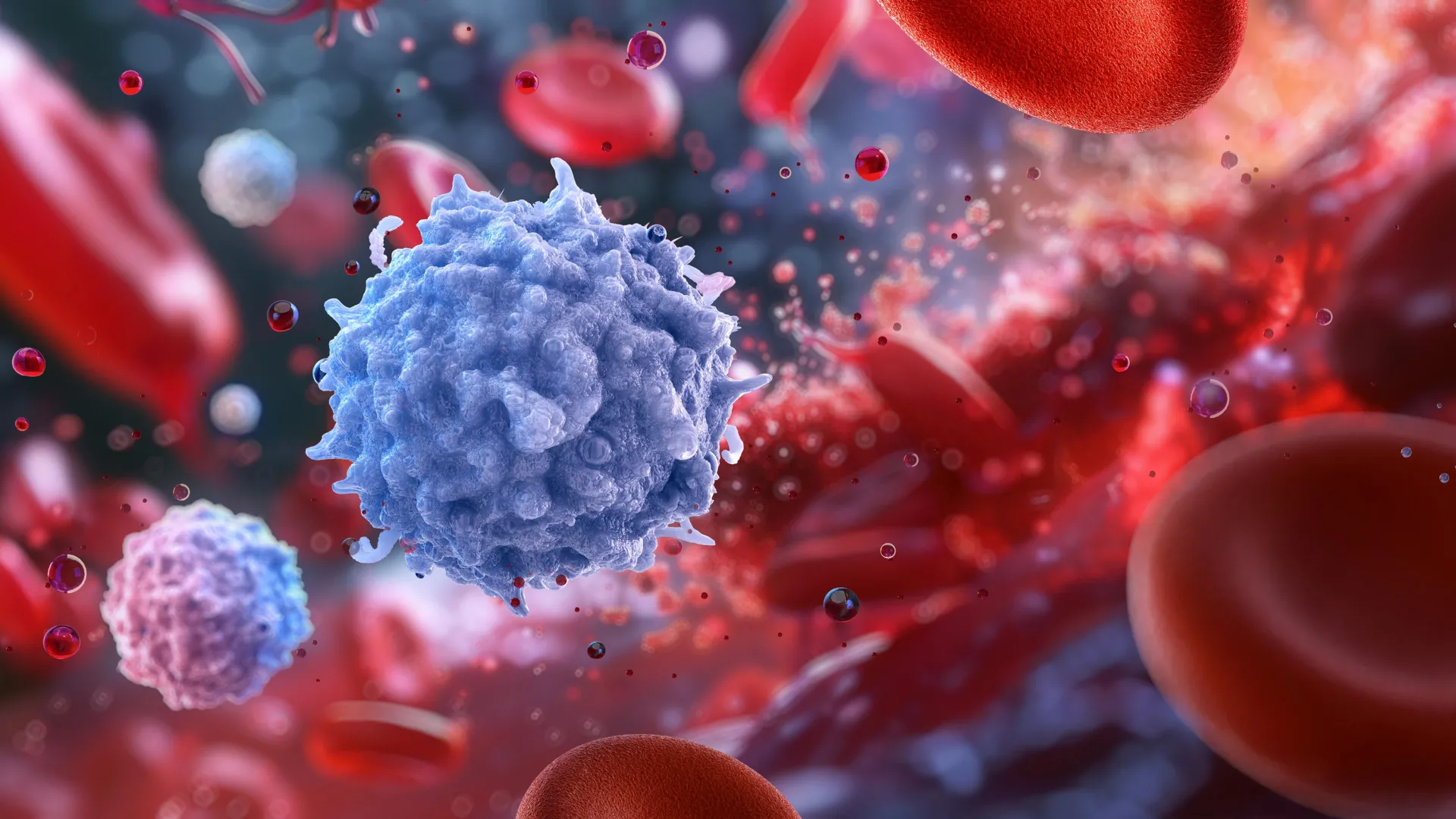
Research from the University of Illinois Chicago has identified a crucial protein, platelet factor 4, that declines with age and may significantly affect the immune system’s efficiency. As this protein diminishes, blood stem cells, which are essential for producing immune and blood cells, tend to multiply uncontrollably, leading to increased risks of cancer and other age-related diseases.
The study, published in the journal Blood, highlights how aging blood stem cells accumulate genetic mutations over time, compromising immune function and elevating the risk of chronic diseases. Researchers observed that restoring levels of platelet factor 4 in older mice and human stem cells in the laboratory revitalized the behavior of aging blood and immune cells.
The Impact of Aging on Immune Function
Aging presents visible changes such as graying hair and muscle loss, but the decline in immune function is often less apparent. The hematopoietic stem cells, which reside in the bone marrow, are responsible for generating all major types of blood cells, including red blood cells and lymphocytes that protect against infections.
According to Sandra Pinho, an associate professor of pharmacology and regenerative medicine at UIC, these stem cells are vital yet rare. She referred to them as “the Holy Grail of the immune system.” In younger individuals, these cells maintain a balanced production of myeloid cells and lymphoid cells. However, as people age, there is a shift towards producing more myeloid cells, leading to a decline in lymphoid cells, which weakens the immune response.
Understanding Platelet Factor 4’s Role
The research team discovered that platelet factor 4 plays a pivotal role in regulating the behavior of blood stem cells. In younger organisms, this protein acts as a signaling molecule that limits stem cell division. Nonetheless, as individuals age, the production of platelet factor 4 decreases, permitting stem cells to divide more frequently and without proper control.
“When stem cells start to divide more often than they should, and if their proliferation is not regulated, they can accumulate mutations over time,” Pinho explained. These mutations are associated with chronic inflammation and a heightened risk of blood cancers and cardiovascular diseases.
In laboratory experiments, older mice receiving daily infusions of platelet factor 4 for over a month exhibited blood and immune cells that behaved like those of significantly younger animals. This rejuvenating effect was similarly observed with human stem cells, indicating that restoring this protein enhances stem cell function.
Pinho noted, “It rejuvenated the aging of the blood system,” highlighting the potential for new therapeutic strategies targeting age-related disorders.
While the findings are promising, Pinho cautioned that platelet factor 4 is not a standalone solution for reversing aging across the body. Its effects, though strong, are not expected to dramatically extend human lifespan. Instead, it could serve as a component in broader strategies to mitigate age-related conditions.
The research team included Sen Zhang, a postdoctoral fellow and first author of the study, along with co-leading contributions from Constantinos Chronis of the Department of Biochemistry and Molecular Genetics. Other contributors from UIC included Charles Ayemoba, Anna Di Staulo, Kenneth Joves, Chandani Patel, Eva Leung, Maura Bueno, Xiaoping Du, and Sang-Ging Ong.
In conclusion, the discovery of platelet factor 4’s role in immune aging opens avenues for future research aimed at improving health outcomes in aging populations. This study underscores the potential for therapeutic interventions that address the cellular challenges of aging, providing hope for enhanced quality of life in older adults.








Revolutionary Photonic Ski-Jump Could Miniaturize LiDAR Systems

Couples Detox from Plastics in New Netflix Doc: Can It Boost Fertility?

Aventon Launches Affordable Full-Suspension Electric Mountain Bike

Discover Eight Must-Try Restaurants This Spring Season

UC Irvine Team Unveils Innovative Ion Pump for Water Treatment

One-Third of Americans Trim Daily Expenses for Healthcare Needs

Apple Secures First Oscar in Three Years with F1: The Movie

Fourth Graders Celebrate St. Patrick’s Day with Creative Weather Drawings

Kim Kardashian Dazzles at Vanity Fair Oscars Party 2026

Nostradamus’ 2026 Predictions: Star Death and Dark Events Loom

Breakthroughs and Challenges Await Science in 2026

Electric Moto Influencer Surronster Arrested in Tijuana

OpenAI to Implement Age Verification for ChatGPT by December 2025

Discover the Top 10 Calorie Counting Apps of 2025

Bella Hadid Shares Health Update After Treatment for Lyme Disease

Analysts Project Stronger Growth for Apple’s iPhone 17 Lineup

Japanese Study Finds Rose Oil Can Increase Brain Gray Matter

Top 10 Penny Stocks to Watch in 2026 for Strong Returns
-
 Science3 months ago
Nostradamus’ 2026 Predictions: Star Death and Dark Events Loom
-
 Science4 months ago
Breakthroughs and Challenges Await Science in 2026
-
 Technology7 months ago
Electric Moto Influencer Surronster Arrested in Tijuana
-
 Technology4 months ago
OpenAI to Implement Age Verification for ChatGPT by December 2025
-
 Technology9 months ago
Discover the Top 10 Calorie Counting Apps of 2025
-
 Health7 months ago
Bella Hadid Shares Health Update After Treatment for Lyme Disease
-
 Health7 months ago
Analysts Project Stronger Growth for Apple’s iPhone 17 Lineup
-
 Health7 months ago
Japanese Study Finds Rose Oil Can Increase Brain Gray Matter
-
 Technology4 months ago
Top 10 Penny Stocks to Watch in 2026 for Strong Returns
-

 Science6 months ago
Starship V3 Set for 2026 Launch After Successful Final Test of Version 2
-

 Technology1 month ago
Nvidia GTC 2026: Major Announcements Expected for AI and Hardware
-

 Education7 months ago
Harvard Secures Court Victory Over Federal Funding Cuts