
Science
Measles Cases Surge in the U.S. Amid Gaps in Vaccination Coverage

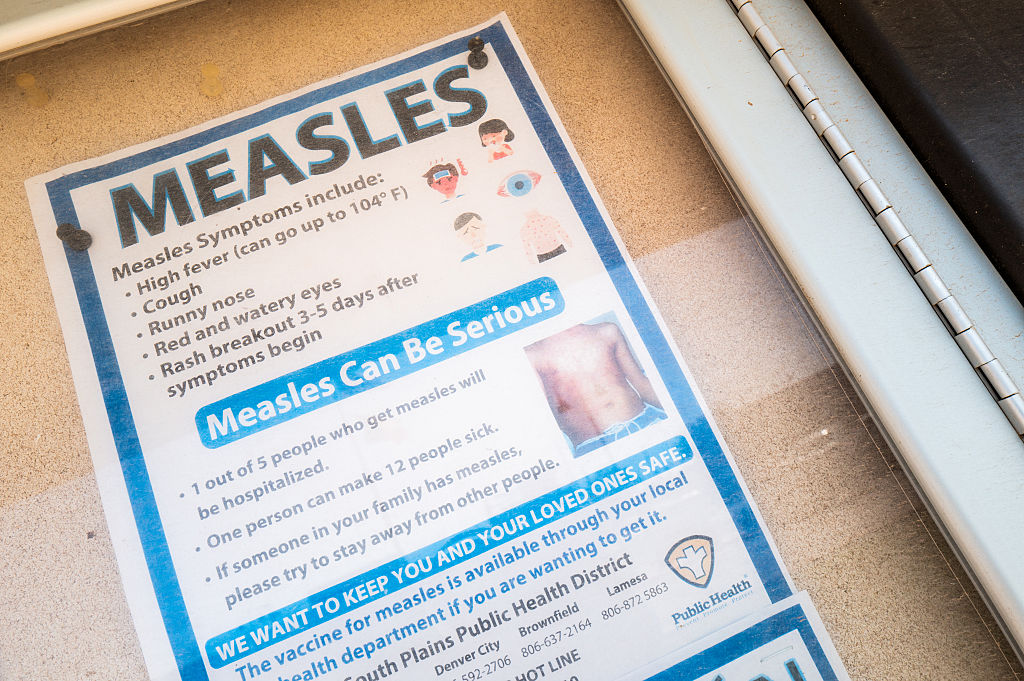
Health officials in the United States are raising alarms over a concerning increase in measles cases across several states. This surge is linked to declining vaccination rates, particularly in communities where vaccine skepticism has taken hold. According to the Centers for Disease Control and Prevention (CDC), dozens of confirmed measles cases have emerged this month, primarily among unvaccinated individuals.
The resurgence of measles, a disease declared eliminated in the U.S. nearly two decades ago, highlights significant gaps in vaccination coverage. Public health experts emphasize that the increasing acceptance of anti-vaccine rhetoric, notably propagated by figures such as Robert F. Kennedy Jr., has contributed to the current crisis. Kennedy, a longstanding vaccine skeptic and former leader of the Children’s Health Defense, has repeatedly questioned the safety and necessity of childhood immunizations, including the widely administered MMR vaccine.
Revisiting Vaccination Strategies
The debate surrounding vaccination policies has intensified, especially within the educational sector. Some officials suggest looking to Denmark’s approach, where high compliance with the childhood vaccination schedule has effectively kept measles cases at bay. Danish healthcare professionals caution against directly comparing the two nations, noting that the medical needs of children differ significantly.
Nevertheless, U.S. public health officials argue that Denmark’s model demonstrates the importance of consistent messaging and access to vaccinations in preventing outbreaks. In response to the rise in measles cases, several states are tightening school-entry vaccine requirements and launching outreach initiatives to educate families about the importance of vaccinations.
Political leaders are also voicing concerns. Georgia Senator Raphael Warnock labeled Kennedy a “hazard to public health,” underscoring the urgency of addressing this issue at both community and legislative levels.
Health Experts Warn of Growing Threat
Experts are increasingly worried that if vaccination rates continue to decline, the outbreak could expand further. “Children should be getting all the vaccines recommended by the American Academy of Pediatrics,” stated Dr. Swathi Mannava Gowtham, a pediatric infectious diseases physician in Pennsylvania.
Dr. Gowtham highlighted that one of the significant achievements of 20th-century medicine is the dramatic reduction in infant and childhood mortality due to vaccination and other public health measures. “Immunization is one of the strongest public health measures we have,” she noted. “My concern is that with pockets of non-vaccination or undervaccination, we will see a rise in cases where each incidence, each complication was preventable. And that to me is tragic.”
As the situation evolves, health officials are urging communities to prioritize vaccination to protect public health and prevent further outbreaks. The resurgence of measles serves as a stark reminder of the critical need for comprehensive vaccination coverage to safeguard the health of children and communities across the nation.












Revolutionary Photonic Ski-Jump Could Miniaturize LiDAR Systems

Couples Detox from Plastics in New Netflix Doc: Can It Boost Fertility?

Aventon Launches Affordable Full-Suspension Electric Mountain Bike

Discover Eight Must-Try Restaurants This Spring Season

UC Irvine Team Unveils Innovative Ion Pump for Water Treatment

One-Third of Americans Trim Daily Expenses for Healthcare Needs

Apple Secures First Oscar in Three Years with F1: The Movie

Fourth Graders Celebrate St. Patrick’s Day with Creative Weather Drawings

Kim Kardashian Dazzles at Vanity Fair Oscars Party 2026

Nostradamus’ 2026 Predictions: Star Death and Dark Events Loom

Breakthroughs and Challenges Await Science in 2026

Electric Moto Influencer Surronster Arrested in Tijuana

OpenAI to Implement Age Verification for ChatGPT by December 2025

Discover the Top 10 Calorie Counting Apps of 2025

Bella Hadid Shares Health Update After Treatment for Lyme Disease

Analysts Project Stronger Growth for Apple’s iPhone 17 Lineup

Japanese Study Finds Rose Oil Can Increase Brain Gray Matter

Top 10 Penny Stocks to Watch in 2026 for Strong Returns
-
 Science3 months ago
Nostradamus’ 2026 Predictions: Star Death and Dark Events Loom
-
 Science4 months ago
Breakthroughs and Challenges Await Science in 2026
-
 Technology7 months ago
Electric Moto Influencer Surronster Arrested in Tijuana
-
 Technology4 months ago
OpenAI to Implement Age Verification for ChatGPT by December 2025
-
 Technology9 months ago
Discover the Top 10 Calorie Counting Apps of 2025
-
 Health7 months ago
Bella Hadid Shares Health Update After Treatment for Lyme Disease
-
 Health7 months ago
Analysts Project Stronger Growth for Apple’s iPhone 17 Lineup
-
 Health7 months ago
Japanese Study Finds Rose Oil Can Increase Brain Gray Matter
-
 Technology4 months ago
Top 10 Penny Stocks to Watch in 2026 for Strong Returns
-

 Science6 months ago
Starship V3 Set for 2026 Launch After Successful Final Test of Version 2
-

 Technology1 month ago
Nvidia GTC 2026: Major Announcements Expected for AI and Hardware
-

 Education7 months ago
Harvard Secures Court Victory Over Federal Funding Cuts