
Science
Discover How Astrocartography Guides Your Travel Choices

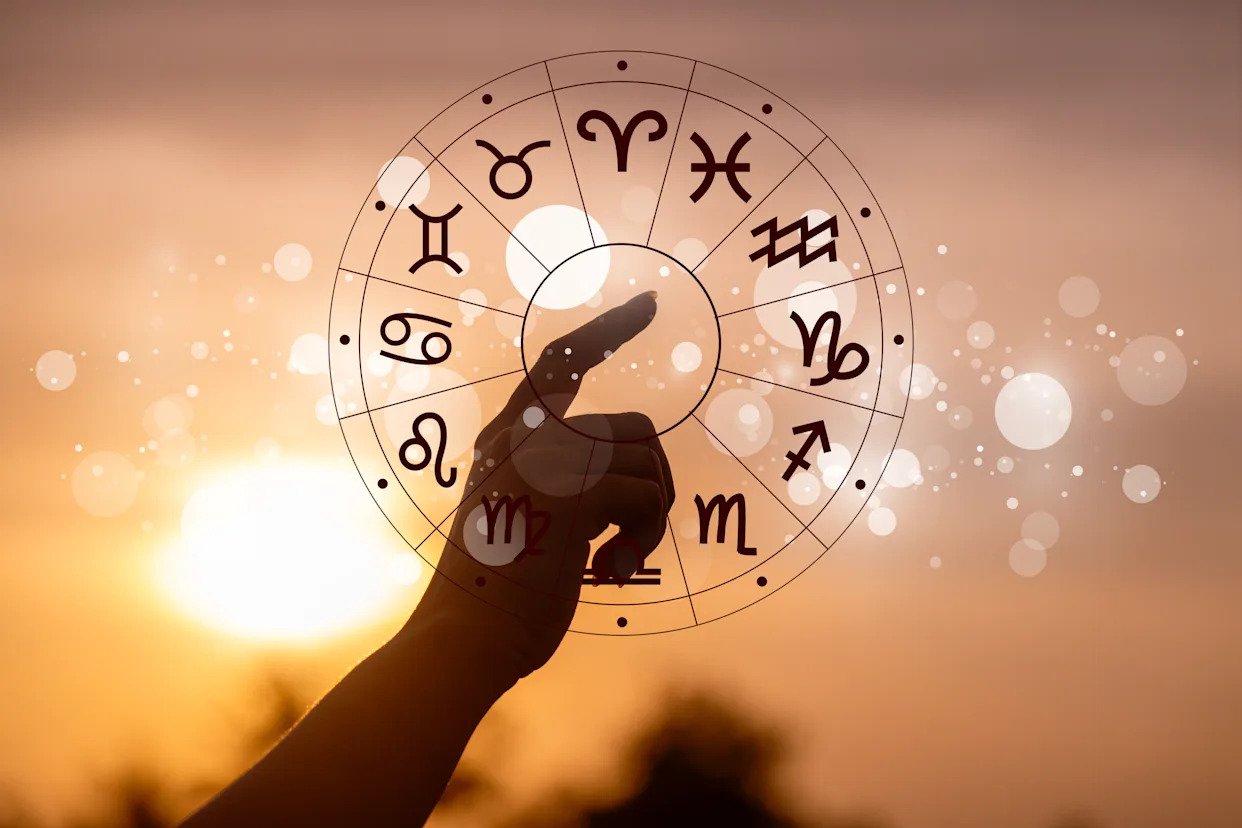
Astrocartography, a practice that maps the influence of celestial bodies on personal experiences, is gaining traction among those seeking guidance on where to live and travel. Developed in the 1970s by astrologer Jim Lewis, this innovative approach combines astrology with geography, creating a personalized map based on an individual’s birth chart. By examining planetary positions at the moment of birth, astrocartography provides insights into how different locations may impact one’s life.
What sets astrocartography apart is its method of mapping planetary “lines” across the globe, which represent varying energies associated with different planets. Each planet is linked to specific life themes: Venus is associated with love and beauty, while Jupiter relates to growth and opportunity. This approach allows individuals to visualize how these energies may manifest in various locations, effectively creating a cosmic roadmap to inform travel and relocation decisions.
Understanding the Lines of Influence
Astrocartography categorizes planetary influences into four main types of lines:
– **Ascendant (ASC)** lines focus on self-expression and how others perceive you.
– **Midheaven (MC)** lines relate to career aspirations and public reputation.
– **Descendant (DSC)** lines influence relationships and partnerships.
– **Imum Coeli (IC)** lines connect to home, family, and personal life.
These lines are overlaid onto a world map, revealing potential energetic influences for individuals in different locations. For example, one might find their Venus line running through Paris, suggesting a romantic atmosphere, while a Mars line could intersect with New York City, symbolizing ambition and drive.
The practice has witnessed a resurgence in interest, particularly among digital nomads and retirees. Social media platforms are filled with testimonials from individuals who credit their astrocartography maps with significant life changes. Stories of career advancements along their Jupiter lines or chance encounters along their Venus lines abound. Critics argue that these experiences may stem from confirmation bias or the placebo effect, suggesting people are more likely to notice positive opportunities when they believe a location is favorable.
Exploring Your Own Astrocartography
For those curious about how astrocartography can shape their travel experiences, generating a personal map is straightforward. Websites like Astro.com and Astroseek offer free tools to create your astrocartography chart. Users simply need to input their birth date, exact birth time, and birthplace. Within moments, a colorful map displaying planetary lines emerges, potentially providing direction for future adventures.
Even if one does not fully subscribe to the astrological principles, exploring these maps can inspire thoughtful travel decisions. Planning an overseas sabbatical? Check where your Jupiter (expansion) or Mercury (learning) lines fall. Considering a romantic getaway? Investigate destinations aligning with your Venus line.
The growing popularity of astrocartography highlights a broader trend where individuals seek deeper meaning in their travel choices. Whether viewed as a legitimate tool or an intriguing conversation starter, astrocartography encourages a more intentional approach to exploring the world. As more people engage with these concepts, the allure of combining astrology with personal geography continues to captivate a diverse audience looking to enhance their life experiences through travel.










Scotland’s 13 Michelin Star Restaurants Gear Up for 2026 Guide

International Team Discovers New Dinosaur Foskeia pelendonum in Spain

Nebraska’s Miracle Quads Celebrate 18 Years of Joy

Stanford Daily Launches Volume 269 with New Editorial Team

Community Events Bring Art, Education, and Culture to Ulster County

Claws Out Comedy Open Mic Night Wins Best Comedy Night Accolade

NASA’s WB-57 Aircraft: A High-Altitude Research Powerhouse

AdventHealth’s Clinical Ladder Program Slashes Nurse Burnout

Washington Invests $12 Million to Expand EV Charging Network

Nostradamus’ 2026 Predictions: Star Death and Dark Events Loom

OpenAI to Implement Age Verification for ChatGPT by December 2025

Discover the Top 10 Calorie Counting Apps of 2025

Bella Hadid Shares Health Update After Treatment for Lyme Disease

Analysts Project Stronger Growth for Apple’s iPhone 17 Lineup

Electric Moto Influencer Surronster Arrested in Tijuana

Harvard Secures Court Victory Over Federal Funding Cuts

Erin Bates Shares Recovery Update Following Sepsis Complications

Meta Initiates $60B AI Data Center Expansion, Starting in Ohio
-
 Science1 month ago
Nostradamus’ 2026 Predictions: Star Death and Dark Events Loom
-
 Technology2 months ago
OpenAI to Implement Age Verification for ChatGPT by December 2025
-
 Technology7 months ago
Discover the Top 10 Calorie Counting Apps of 2025
-
 Health5 months ago
Bella Hadid Shares Health Update After Treatment for Lyme Disease
-
 Health5 months ago
Analysts Project Stronger Growth for Apple’s iPhone 17 Lineup
-
 Technology5 months ago
Electric Moto Influencer Surronster Arrested in Tijuana
-
 Education5 months ago
Harvard Secures Court Victory Over Federal Funding Cuts
-
 Health5 months ago
Erin Bates Shares Recovery Update Following Sepsis Complications
-
 Technology7 months ago
Meta Initiates $60B AI Data Center Expansion, Starting in Ohio
-

 Technology6 months ago
Discover How to Reverse Image Search Using ChatGPT Effortlessly
-

 Science4 months ago
Starship V3 Set for 2026 Launch After Successful Final Test of Version 2
-

 Technology7 months ago
Recovering a Suspended TikTok Account: A Step-by-Step Guide