
Lifestyle
Jobless Rate Decline: High-School Grads Narrow Gap with College Peers

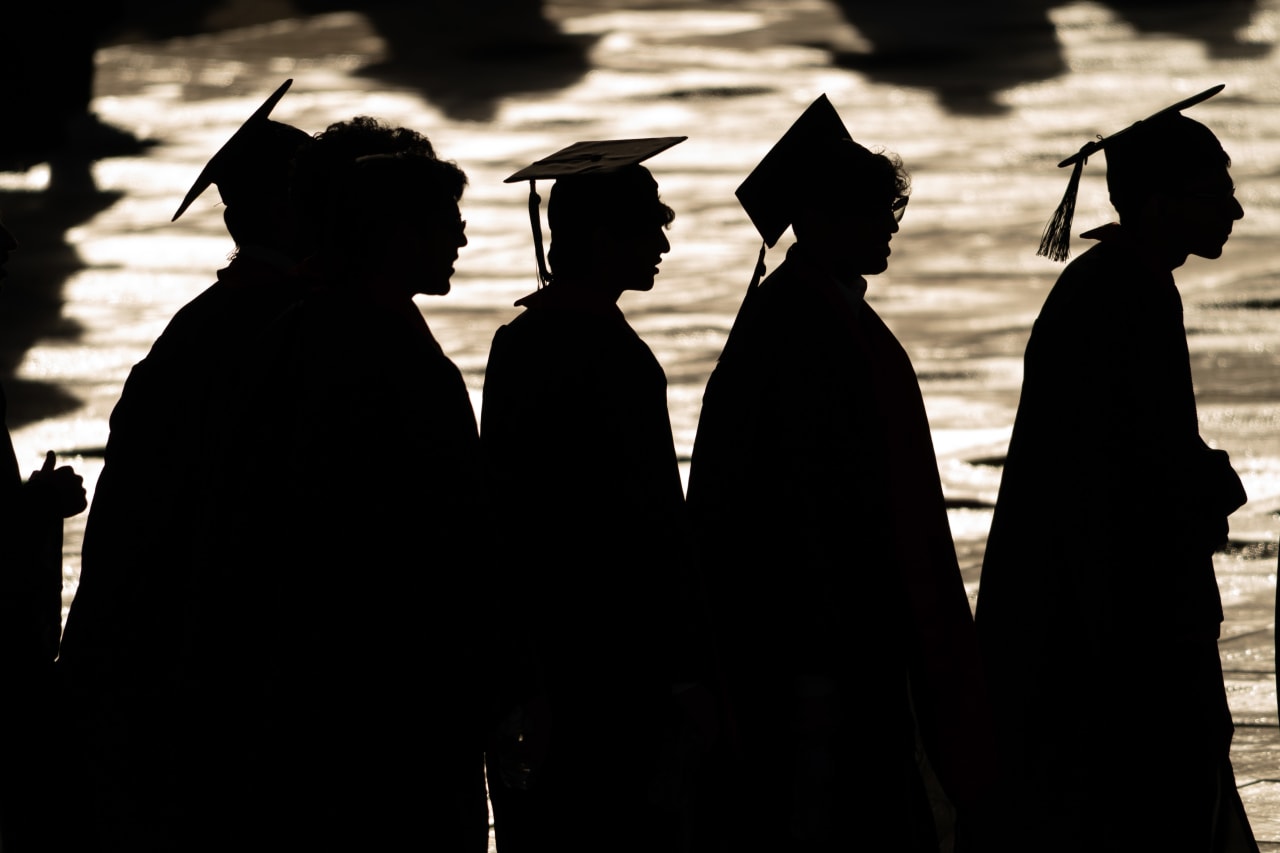
Recent data indicates a significant shift in the job market as the unemployment gap between high-school graduates and their college-educated counterparts is narrowing. According to the latest figures from the U.S. Bureau of Labor Statistics, the unemployment rate for high-school graduates has decreased, leading to a more competitive landscape for job seekers.
The findings reveal that the unemployment rate for high-school graduates fell to 3.9% in 2023, down from 4.6% in 2022. In contrast, the rate for college graduates remains lower at 2.1%, but the narrowing gap suggests that high-school graduates are increasingly finding employment opportunities. This trend has garnered attention from educators and policymakers alike as they examine the evolving dynamics of the labor market.
Impact of Economic Factors
Several economic factors have contributed to this shift. The job market has seen a surge in demand for workers in various sectors, including retail and hospitality, which typically employ a significant number of high-school graduates. The National Center for Education Statistics reports that as the economy recovers from the impacts of the pandemic, employers are more willing to hire individuals without a college degree, especially in entry-level positions.
Moreover, rising tuition costs and student debt have prompted some high-school graduates to reconsider their educational paths. As a result, many are entering the workforce directly, seeking to gain experience and financial independence sooner. This decision appears to be paying off, as indicated by the improving job prospects for this demographic.
Future Employment Landscape
Looking ahead, it is essential to consider the long-term implications of these trends. While the gap is narrowing, the value of a college degree remains significant in many industries. According to research, individuals with a college education still earn approximately 70% more over their lifetime compared to those with just a high school diploma.
As the job market continues to evolve, both high-school and college graduates will need to adapt to changing demands. Skills training and vocational programs are becoming increasingly important, offering pathways to employment that do not necessarily require a four-year degree. This shift not only benefits individuals but also addresses workforce shortages in critical sectors.
In summary, the narrowing unemployment gap between high-school and college graduates reflects broader economic changes and shifting workforce dynamics. As the landscape continues to evolve, ongoing analysis and adaptation will be crucial for both job seekers and educational institutions. The focus now lies in equipping all graduates—regardless of their educational background—with the skills necessary to thrive in a competitive job market.











Astronomers Discover Exoplanet Orbiting Twin Suns Like Tatooine

Sherrod Brown Advocates for Affordable Care Act in Toledo Roundtable

Apple Launches iOS 26.2 with Key Enhancements for iPhones

Community Foundation Launches Scholarship Program for Trade Education

Jobless Rate Decline: High-School Grads Narrow Gap with College Peers

Astronomers Discover Unique Exoplanet Orbiting Twin Stars

GMP Cytokine Market Expected to Grow 8.4% CAGR by 2031

L.A. Care Celebrates Innovative Partnership with Local Health Groups

Audi Launches 2025 SQ6 Sportback e-tron: A Game-Changer in SUVs

Discover the Top 10 Calorie Counting Apps of 2025

Bella Hadid Shares Health Update After Treatment for Lyme Disease

OpenAI to Implement Age Verification for ChatGPT by December 2025

Erin Bates Shares Recovery Update Following Sepsis Complications

Discover How to Reverse Image Search Using ChatGPT Effortlessly

Analysts Project Stronger Growth for Apple’s iPhone 17 Lineup

Electric Moto Influencer Surronster Arrested in Tijuana

Discover 2025’s Top GPUs for Exceptional 4K Gaming Performance

Meta Initiates $60B AI Data Center Expansion, Starting in Ohio
-
 Technology5 months ago
Discover the Top 10 Calorie Counting Apps of 2025
-
 Health3 months ago
Bella Hadid Shares Health Update After Treatment for Lyme Disease
-
 Technology2 weeks ago
OpenAI to Implement Age Verification for ChatGPT by December 2025
-
 Health3 months ago
Erin Bates Shares Recovery Update Following Sepsis Complications
-
 Technology4 months ago
Discover How to Reverse Image Search Using ChatGPT Effortlessly
-
 Health3 months ago
Analysts Project Stronger Growth for Apple’s iPhone 17 Lineup
-
 Technology3 months ago
Electric Moto Influencer Surronster Arrested in Tijuana
-
 Technology1 month ago
Discover 2025’s Top GPUs for Exceptional 4K Gaming Performance
-
 Technology5 months ago
Meta Initiates $60B AI Data Center Expansion, Starting in Ohio
-

 Technology5 months ago
Recovering a Suspended TikTok Account: A Step-by-Step Guide
-

 Health5 months ago
Tested: Rab Firewall Mountain Jacket Survives Harsh Conditions
-

 Lifestyle5 months ago
Belton Family Reunites After Daughter Survives Hill Country Floods