
Health
Understanding Alcohol Addiction: How It Affects the Brain and Recovery Options

Approximately 27 million American adults faced challenges related to alcohol use disorder in 2023, as highlighted in the 2024 National Survey on Drug Use and Health. For those affected, gaining insight into the brain’s response to alcohol can be a crucial step towards recovery.
Impact of Alcohol on the Brain
Alcohol addiction develops gradually. It often starts with occasional drinking that evolves into a pattern of dependence. With continued use, the brain adapts, leading to increased tolerance, meaning individuals require more alcohol to experience the same effects. When consumption stops, withdrawal symptoms such as tremors, anxiety, or more severe medical complications can occur, requiring professional intervention.
Alongside physical dependence, psychological reliance also intensifies. Many may find themselves craving alcohol to cope with stress or feeling unsettled without it. This dependency can make quitting challenging, even for those with strong willpower.
Identifying Signs of Alcohol Addiction
Recognizing the signs of alcohol addiction is essential. Physical symptoms may manifest as:
– Increased alcohol consumption to achieve the same effects
– Altered sleep patterns or changes in appetite
– Physical withdrawal symptoms, including shakiness, sweating, or nausea when not drinking
Behavioral and psychological indicators include:
– Drinking more frequently or in larger quantities than intended
– Concealing or lying about alcohol consumption
– Neglecting responsibilities related to work, family, or personal interests
– Experiencing mood fluctuations, anxiety, or depression
– Engaging in risky behaviors, such as driving under the influence
The encouraging news is that addiction is a chronic but treatable medical condition, akin to diabetes or heart disease. Recovery may involve setbacks, but with effective treatment, individuals can regain control of their lives.
Treatment options vary based on individual needs and may include inpatient or outpatient programs, telehealth services, counseling, and support groups. Many individuals benefit from a comprehensive approach known as Medication-Assisted Treatment (MAT), which combines behavioral therapy with medications.
Therapeutic support involves licensed counselors who assist individuals in developing coping strategies, managing triggers, and enhancing relationships. These sessions may occur in one-on-one settings, groups, or with family members.
Medications prescribed by addiction specialists or primary care teams can help alleviate cravings and reduce the risk of relapse. Modern treatment programs offer increased flexibility, allowing individuals to balance work and family commitments while pursuing recovery.
Taking the initial step toward recovery is crucial. Individuals struggling with alcohol should consult their doctor or healthcare provider. With the right support, both the brain and overall well-being can heal.
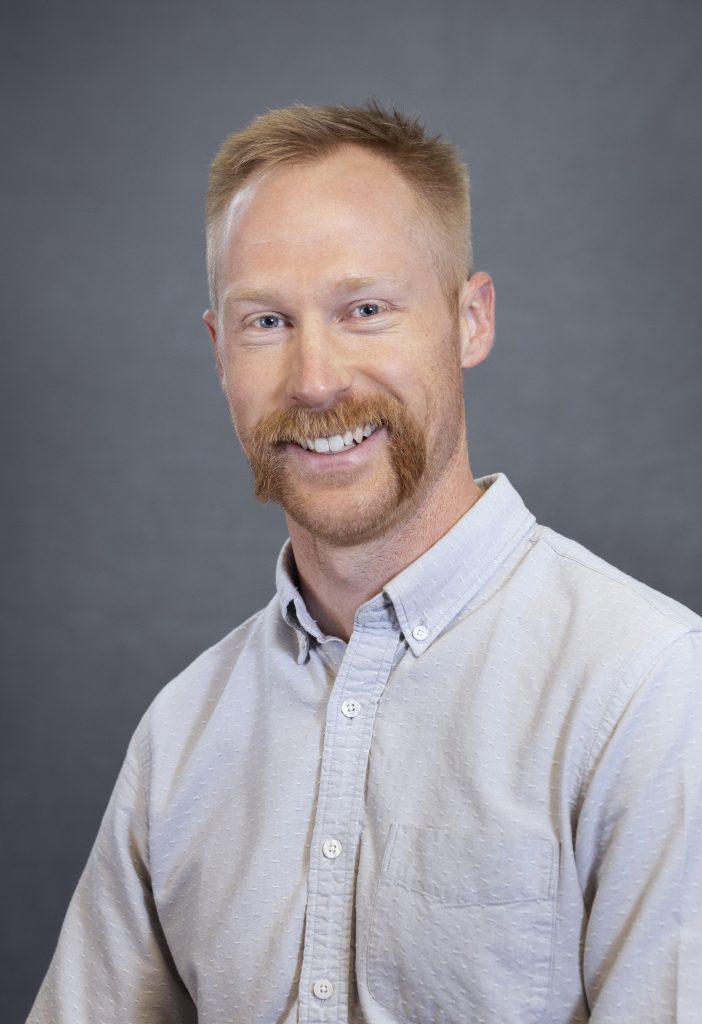
Dr. Jacob Marquette, Medical Director at Barton Community Health Center and a board-certified addiction medicine specialist, emphasizes the importance of seeking help. The center offers Medication-Assisted Treatment (MAT) services targeting substance use disorders, including alcohol addiction. Those concerned about their drinking habits are encouraged to engage with their primary care team or visit BartonHealth.org for more information on available treatment options.











Revolutionary Photonic Ski-Jump Could Miniaturize LiDAR Systems

Couples Detox from Plastics in New Netflix Doc: Can It Boost Fertility?

Aventon Launches Affordable Full-Suspension Electric Mountain Bike

Discover Eight Must-Try Restaurants This Spring Season

UC Irvine Team Unveils Innovative Ion Pump for Water Treatment

One-Third of Americans Trim Daily Expenses for Healthcare Needs

Apple Secures First Oscar in Three Years with F1: The Movie

Fourth Graders Celebrate St. Patrick’s Day with Creative Weather Drawings

Kim Kardashian Dazzles at Vanity Fair Oscars Party 2026

Nostradamus’ 2026 Predictions: Star Death and Dark Events Loom

Breakthroughs and Challenges Await Science in 2026

Electric Moto Influencer Surronster Arrested in Tijuana

OpenAI to Implement Age Verification for ChatGPT by December 2025

Discover the Top 10 Calorie Counting Apps of 2025

Bella Hadid Shares Health Update After Treatment for Lyme Disease

Analysts Project Stronger Growth for Apple’s iPhone 17 Lineup

Japanese Study Finds Rose Oil Can Increase Brain Gray Matter

Top 10 Penny Stocks to Watch in 2026 for Strong Returns
-
 Science3 months ago
Nostradamus’ 2026 Predictions: Star Death and Dark Events Loom
-
 Science4 months ago
Breakthroughs and Challenges Await Science in 2026
-
 Technology7 months ago
Electric Moto Influencer Surronster Arrested in Tijuana
-
 Technology4 months ago
OpenAI to Implement Age Verification for ChatGPT by December 2025
-
 Technology9 months ago
Discover the Top 10 Calorie Counting Apps of 2025
-
 Health7 months ago
Bella Hadid Shares Health Update After Treatment for Lyme Disease
-
 Health7 months ago
Analysts Project Stronger Growth for Apple’s iPhone 17 Lineup
-
 Health7 months ago
Japanese Study Finds Rose Oil Can Increase Brain Gray Matter
-
 Technology4 months ago
Top 10 Penny Stocks to Watch in 2026 for Strong Returns
-

 Science6 months ago
Starship V3 Set for 2026 Launch After Successful Final Test of Version 2
-

 Technology1 month ago
Nvidia GTC 2026: Major Announcements Expected for AI and Hardware
-

 Education7 months ago
Harvard Secures Court Victory Over Federal Funding Cuts