
Health
Shingles Vaccine Shows Promise in Reducing Dementia Risk

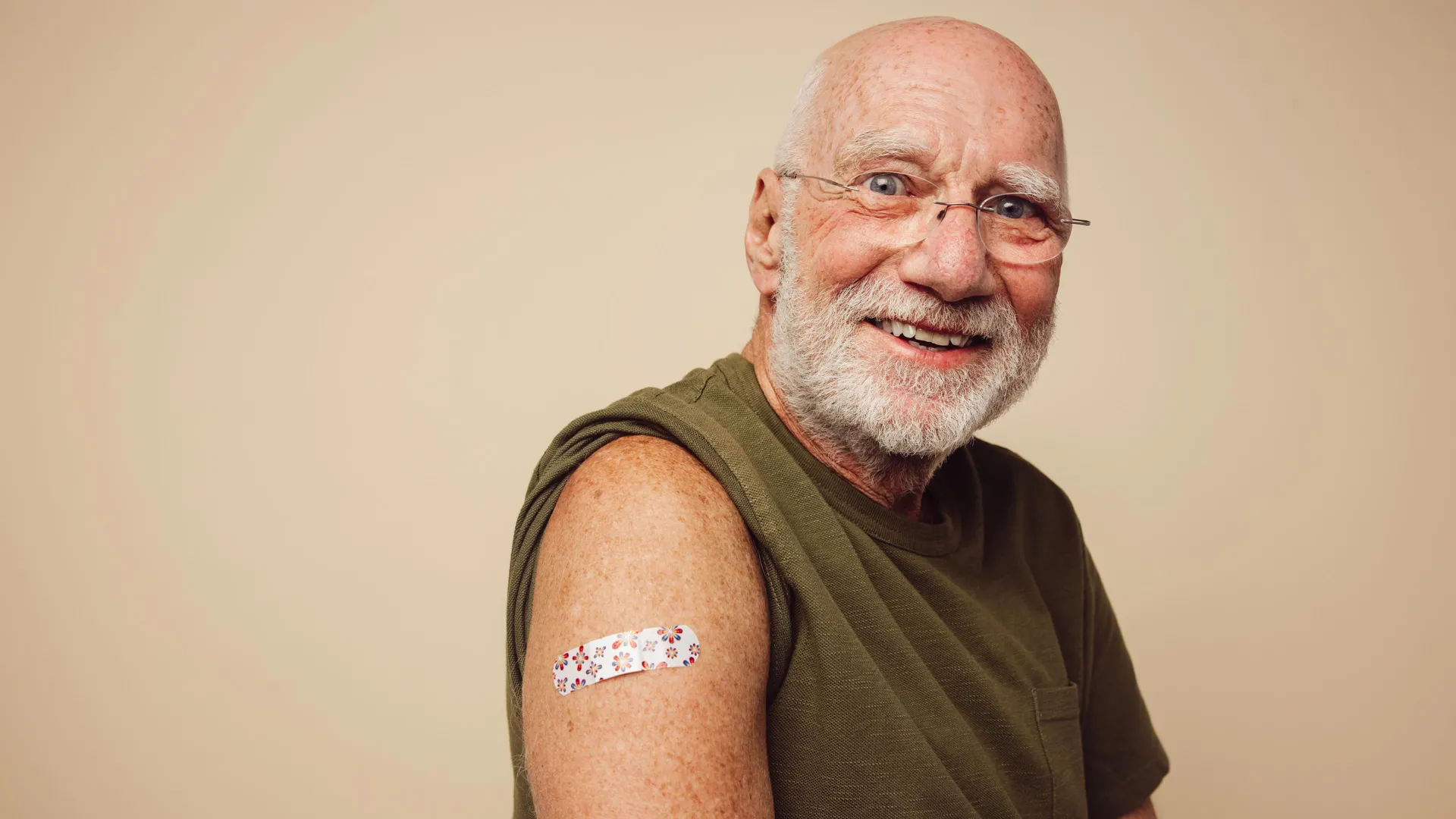
A new study reveals that receiving a routine shingles vaccine may significantly reduce the risk of developing dementia among older adults. Conducted by researchers at Stanford Medicine, the research analyzed health records from seniors in Wales and found that those who received the shingles vaccine were 20% less likely to be diagnosed with dementia over a seven-year period compared to those who did not get vaccinated.
The findings, published on December 2, 2025, in the journal Cell, suggest a compelling link between the shingles vaccine and cognitive health. The study’s lead author, Dr. Pascal Geldsetzer, noted that the protective effect appeared to be particularly pronounced among women. Additionally, the research indicated potential therapeutic benefits for individuals already experiencing dementia, which could slow the progression of the disease.
Unique Vaccination Program in Wales
This remarkable discovery stems from a unique vaccination rollout in Wales that created what researchers term a “natural experiment.” The shingles vaccine used was a live-attenuated version, and the national program began on September 1, 2013. Under this policy, individuals who turned 79 years old on that date became eligible to receive the vaccine in the following year. Those who were 80 or older on that date did not qualify, creating a clear divide among seniors that researchers could study.
Geldsetzer explained that this age cutoff allowed for a controlled comparison between groups who were nearly identical in characteristics but differed only in their eligibility for vaccination. This method helped minimize biases that often affect observational studies. By analyzing health records from over 280,000 older adults who were initially dementia-free, the team compared the health outcomes of those who turned 80 before and after the eligibility cutoff.
Significant Findings on Dementia Rates
After tracking these individuals for seven years, the researchers found that approximately one in eight developed dementia by 2020. Among those who received the shingles vaccine, the likelihood of a dementia diagnosis was reduced by 20%. “It was a really striking finding,” Geldsetzer remarked. The data showed a consistent trend, regardless of how it was analyzed.
To ensure the accuracy of their findings, the researchers investigated other potential explanations for the observed differences in dementia rates. They found that the groups were similar in education levels, other health behaviors, and the prevalence of common illnesses. The only significant difference was the vaccination status, further emphasizing the potential link between the shingles vaccine and reduced dementia risk.
The study also explored whether the benefits of vaccination extended to individuals already showing cognitive decline. Researchers discovered that those who had already received a dementia diagnosis at the start of the Welsh vaccination program were less likely to die from dementia within nine years if they had also received the shingles vaccine. Approximately 30% of vaccinated individuals with dementia died during the follow-up period, compared to nearly half of unvaccinated seniors.
Geldsetzer highlighted the implications of these findings, suggesting that the shingles vaccine may offer both preventive and therapeutic benefits for dementia.
The study’s results have prompted further investigations into the vaccine’s mechanism of action. While the precise reasons behind the correlation remain unclear, the researchers speculate that the vaccine might enhance immune responses or reduce the reactivation of the varicella-zoster virus, which is responsible for shingles.
The data from Wales aligns with findings observed in other countries, including England, Australia, New Zealand, and Canada, where similar vaccination programs have been implemented. Geldsetzer’s team has consistently identified a strong protective signal against dementia across various datasets.
In light of these promising results, the researchers plan to pursue a large randomized controlled trial to provide more rigorous evidence regarding the shingles vaccine’s effects on dementia. Such a study would compare participants receiving the vaccine with those receiving a placebo, further clarifying the potential benefits of vaccination.
Geldsetzer is seeking philanthropic support to fund this important research, particularly given that the live-attenuated shingles vaccine is now off-patent. He believes that investigating these pathways could lead to breakthroughs in both the treatment and prevention of dementia.
With dementia affecting over 55 million individuals globally and new cases diagnosed at a rate of 10 million annually, the implications of this study are significant. If future research continues to support these findings, the shingles vaccine could become a vital tool in combating this devastating disease.










Soundcore by Anker Headphones Offer Major Savings Ahead of Holidays

Universities Urged to Foster Open Dialogue Amid Rising Tensions

Urban Elegance Meets Rustic Comfort: Home Design Trends for 2026

European Space Agency Plans Bold Mission to Interstellar Comet

Cincinnati’s Brandon Saho Advocates for Men’s Mental Health on Oprah’s Podcast

Home Assistant Labs Unveils New Features for Smart Home Users

ChatGPT May Transform Apple Health Data into Personalized Insights

Applications Open for Gordon Hall III Family Foundation Scholarship

Fernandina Beach Seeks $23K to Restore Iconic Peg Leg Pete Statue

Discover the Top 10 Calorie Counting Apps of 2025

Bella Hadid Shares Health Update After Treatment for Lyme Disease

Erin Bates Shares Recovery Update Following Sepsis Complications

Discover How to Reverse Image Search Using ChatGPT Effortlessly

Electric Moto Influencer Surronster Arrested in Tijuana

Discover 2025’s Top GPUs for Exceptional 4K Gaming Performance

Meta Initiates $60B AI Data Center Expansion, Starting in Ohio

Recovering a Suspended TikTok Account: A Step-by-Step Guide

Tested: Rab Firewall Mountain Jacket Survives Harsh Conditions
-
 Technology5 months ago
Discover the Top 10 Calorie Counting Apps of 2025
-
 Health3 months ago
Bella Hadid Shares Health Update After Treatment for Lyme Disease
-
 Health3 months ago
Erin Bates Shares Recovery Update Following Sepsis Complications
-
 Technology4 months ago
Discover How to Reverse Image Search Using ChatGPT Effortlessly
-
 Technology3 months ago
Electric Moto Influencer Surronster Arrested in Tijuana
-
 Technology1 month ago
Discover 2025’s Top GPUs for Exceptional 4K Gaming Performance
-
 Technology5 months ago
Meta Initiates $60B AI Data Center Expansion, Starting in Ohio
-
 Technology5 months ago
Recovering a Suspended TikTok Account: A Step-by-Step Guide
-
 Health4 months ago
Tested: Rab Firewall Mountain Jacket Survives Harsh Conditions
-

 Lifestyle5 months ago
Belton Family Reunites After Daughter Survives Hill Country Floods
-

 Technology4 months ago
Harmonic Launches AI Chatbot App to Transform Mathematical Reasoning
-

 Technology3 months ago
Uncovering the Top Five Most Challenging Motorcycles to Ride