
Health
Groundbreaking Drug Developed by Gertrude Elion Transforms Leukemia Treatment

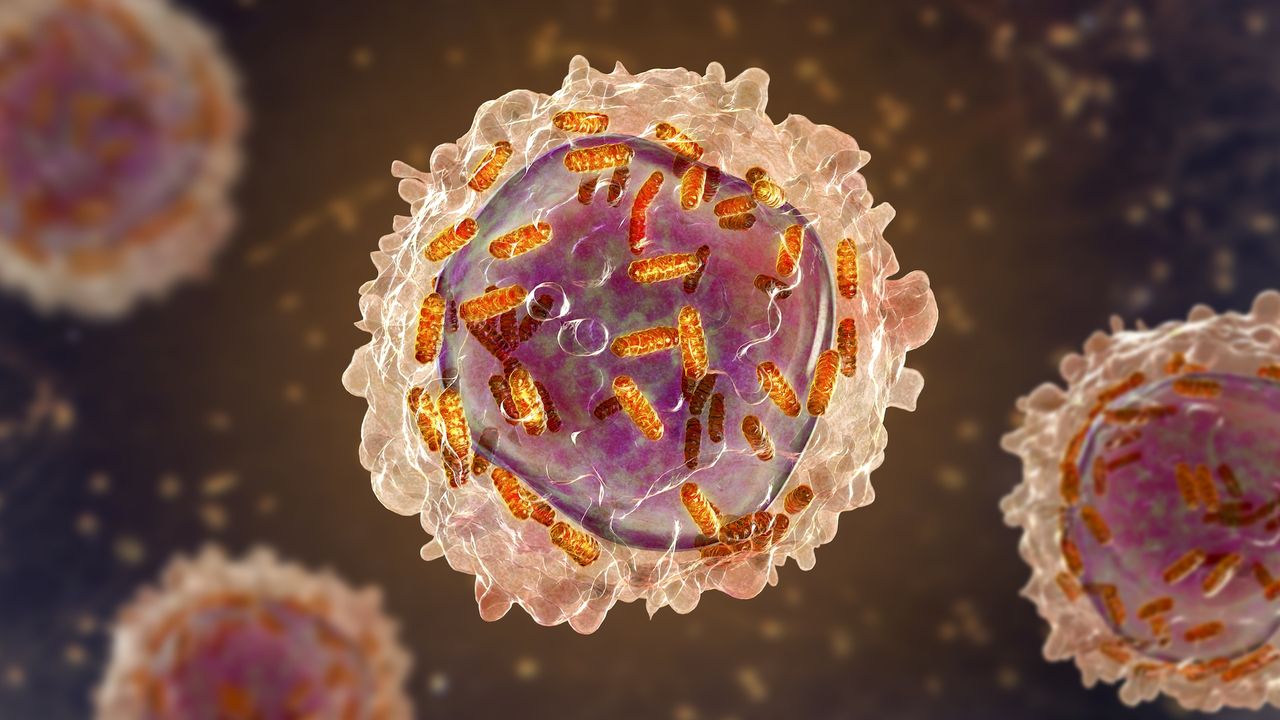
In a significant advancement in cancer treatment, researchers at the Sloan Kettering Institute and Weill Cornell Medical College announced on December 6, 1954 the development of a chemotherapy agent that induced remission in children with acute leukemia. This breakthrough marked a pivotal moment in medical history, setting the stage for a new approach to drug design that prioritized scientific rationale over trial-and-error methods.
Gertrude Elion, who faced substantial barriers as a woman in science, played a crucial role in this achievement. Despite earning a master’s degree in chemistry in 1941, she was initially denied graduate research positions. Instead, she worked as a high school teacher and a food quality tester. Elion eventually joined the laboratory of George Hitchings at the pharmaceutical company Burroughs-Wellcome (now part of GlaxoSmithKline) in 1944, where she contributed to innovative drug development.
Elion and Hitchings’ groundbreaking approach focused on nucleic acids, essential components of DNA necessary for cell reproduction. They theorized that fast-growing cells, like those found in tumors and bacteria, would require more nucleic acids. By targeting the synthesis of these compounds, they aimed to inhibit cancerous growth. In 1950, their team discovered 6-mercaptopurine (6-MP), a compound derived from purine that showed potential in suppressing both bacterial and leukemia cell growth in laboratory settings.
The path to clinical application began in 1952, when researchers initiated trials involving 107 patients with various cancers, including 45 children with acute leukemia. Prior to this, treatment options for these children were limited, often leading to death within months of diagnosis. While previous chemotherapy drugs were frequently based on toxic substances, the children receiving 6-MP tolerated the treatment relatively well. Remarkably, 15 of these children achieved complete remission, albeit for short periods ranging from weeks to months.
Elion expressed both joy and heartbreak over the results. “I was elated when the children got better and crushed when they got sick again,” she recounted in her autobiographical sketch in 1988. Motivated by her personal experience with cancer, Elion and her team were determined to find related compounds that could offer more durable remissions.
By the late 1950s, their efforts culminated in the development of a treatment regimen that combined methotrexate—another chemotherapy agent pioneered by Dr. Jane Wright—with 6-MP. This combination led to more stable remissions in some children diagnosed with acute leukemia. Over her extensive career, Elion contributed to the creation of several other significant drugs, including azathioprine for rheumatoid arthritis and transplant anti-rejection, acyclovir for viral infections, and AZT, the first effective treatment for HIV/AIDS.
For her groundbreaking work, Elion was awarded the Nobel Prize in Physiology or Medicine in 1988, alongside Hitchings and James Black. Their contributions to the field of drug design laid the foundation for contemporary methods and continue to influence medical research today. Elion’s story serves not only as an inspiring testament to perseverance in the face of adversity but also highlights the critical role of scientific innovation in transforming healthcare outcomes for patients around the world.









Revolutionary Photonic Ski-Jump Could Miniaturize LiDAR Systems

Couples Detox from Plastics in New Netflix Doc: Can It Boost Fertility?

Aventon Launches Affordable Full-Suspension Electric Mountain Bike

Discover Eight Must-Try Restaurants This Spring Season

UC Irvine Team Unveils Innovative Ion Pump for Water Treatment

One-Third of Americans Trim Daily Expenses for Healthcare Needs

Apple Secures First Oscar in Three Years with F1: The Movie

Fourth Graders Celebrate St. Patrick’s Day with Creative Weather Drawings

Kim Kardashian Dazzles at Vanity Fair Oscars Party 2026

Nostradamus’ 2026 Predictions: Star Death and Dark Events Loom

Breakthroughs and Challenges Await Science in 2026

Electric Moto Influencer Surronster Arrested in Tijuana

OpenAI to Implement Age Verification for ChatGPT by December 2025

Discover the Top 10 Calorie Counting Apps of 2025

Bella Hadid Shares Health Update After Treatment for Lyme Disease

Analysts Project Stronger Growth for Apple’s iPhone 17 Lineup

Japanese Study Finds Rose Oil Can Increase Brain Gray Matter

Top 10 Penny Stocks to Watch in 2026 for Strong Returns
-
 Science3 months ago
Nostradamus’ 2026 Predictions: Star Death and Dark Events Loom
-
 Science4 months ago
Breakthroughs and Challenges Await Science in 2026
-
 Technology7 months ago
Electric Moto Influencer Surronster Arrested in Tijuana
-
 Technology4 months ago
OpenAI to Implement Age Verification for ChatGPT by December 2025
-
 Technology9 months ago
Discover the Top 10 Calorie Counting Apps of 2025
-
 Health7 months ago
Bella Hadid Shares Health Update After Treatment for Lyme Disease
-
 Health7 months ago
Analysts Project Stronger Growth for Apple’s iPhone 17 Lineup
-
 Health7 months ago
Japanese Study Finds Rose Oil Can Increase Brain Gray Matter
-
 Technology4 months ago
Top 10 Penny Stocks to Watch in 2026 for Strong Returns
-

 Science6 months ago
Starship V3 Set for 2026 Launch After Successful Final Test of Version 2
-

 Technology1 month ago
Nvidia GTC 2026: Major Announcements Expected for AI and Hardware
-

 Education7 months ago
Harvard Secures Court Victory Over Federal Funding Cuts