
Top Stories
Black Men Confront Prostate Cancer: Jerry McCormick’s Journey

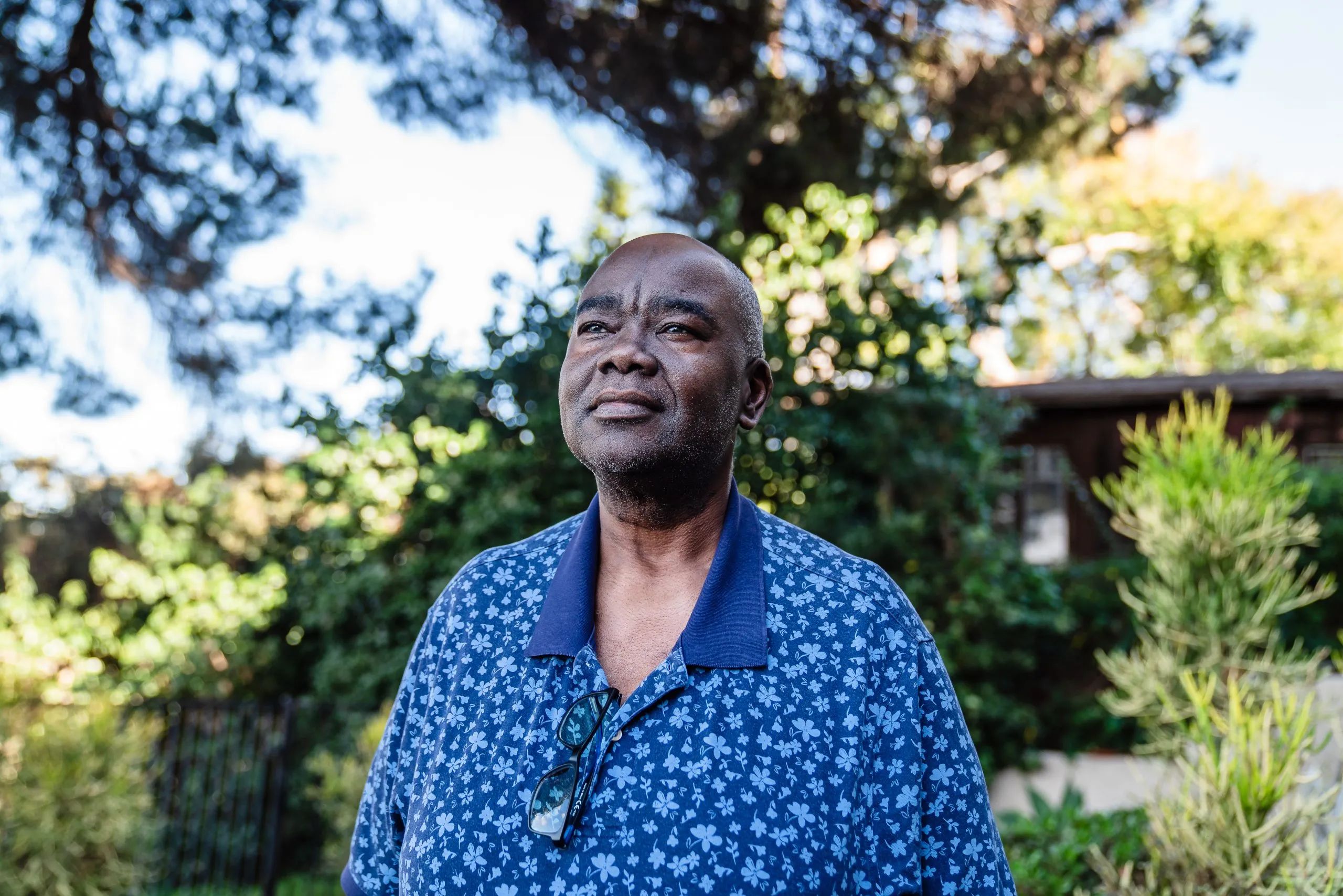
Jerry McCormick, a 57-year-old journalist from San Diego, faced a life-altering diagnosis of prostate cancer while on a trip to Las Vegas in early December 2025. Alone in a hotel room, he opened an email from LabCorp revealing the results of his biopsy. “I was looking at the results, and I was like, Oh my God,” he recalled. Despite the shock, he chose to confide in his husband, Richard Pacheco, who immediately responded with encouragement: “We’re going to beat this.”
As McCormick began to share his diagnosis with close friends and family, he quickly recognized the stigma surrounding the disease, especially among Black men. “When people hear cancer, they’re like ‘ohhhhhh’ — you know, that pity thing. But I don’t want to be pitied,” he stated. This sentiment reflects a broader concern: one in eight Black men will develop prostate cancer, compared to one in twelve white men, according to Dr. Brent Rose, an associate professor of radiation oncology at the University of California, San Diego.
The Urgency of Screening
The American Cancer Society recommends that African American men begin prostate cancer screenings at age 45. McCormick had been receiving annual prostate exams since turning 50. Last summer, he began experiencing frequent urination at night, prompting his visit to the doctor. His diagnosis came as a complete surprise; no one in his family had faced the disease before.
The standard method for checking prostate cancer is the digital rectal exam; however, Dr. Rose emphasizes that the prostate-specific antigen (PSA) blood test is more effective. Recent guidelines recommend that clinicians prioritize the PSA test as the first screening. “A lot of guys think of the digital rectal exam and start to get worried about it… we don’t want that to be a barrier for cancer screening,” he explained.
Prostate cancer is particularly lethal among Black men, who often receive diagnoses at more advanced stages. They have the highest death rate from the disease compared to any other racial or ethnic group, with a twofold increase in mortality rates. The reasons for this disparity include access to care, genetic factors, and social determinants such as racism and poverty.
Facing Treatment Decisions
In September 2025, after undergoing a biopsy, McCormick learned that half of the tissue samples were cancerous. Faced with two treatment options—radiation or surgical removal of the prostate—he considered the implications of each. Radiation would require daily treatments for several weeks, while surgery was typically a one-time procedure. As he had just started a new job, McCormick weighed the risks carefully.
The surgery carried potential complications, including infertility. As a gay Black man, he had no plans to have children but worried about how the decision would impact his relationship with Richard. “The mechanics of our sexual activity is different. We walk through life a different way,” he shared. Ultimately, he chose surgery, hoping it would allow him to resume his life sooner.
On December 4, 2025, McCormick arrived for his surgery, only to face an unexpected setback. After the surgeon began the procedure, she informed him that his abdominal wall was too thick to proceed. “It was an emotional rollercoaster,” he recalled. Following a reschedule, he prepared for another attempt on January 6, 2026.
Just days before the second surgery, McCormick contracted a sickness during flu season, which delayed the procedure once again. After recovering, he successfully underwent surgery, which involved a larger incision than previously expected.
“The doctors said everything went well,” he reported, feeling a sense of relief wash over him after weeks of anxiety. However, complications arose when he was readmitted to the hospital due to an infection in one of his incisions.
A Journey of Recovery and Advocacy
Recovery has proven to be a challenging journey for McCormick, who is mourning the life he led before his diagnosis. Through the process, he has turned to writing on Substack, aiming to educate others about prostate cancer. “I promised myself that I would use this experience to educate people,” he asserted, emphasizing his commitment to transparency and sharing the realities of living with the disease.
Despite the emotional ups and downs, McCormick finds solace in the support of his friends, family, and coworkers. He has received flowers, gifts, and regular check-ins from loved ones throughout his treatment. “I’ve spent the majority of my life giving to the world,” he reflected. “Now, I’m focused on giving to myself.”
As he continues to navigate this journey, McCormick remains hopeful. He urges other Black men to recognize the importance of early detection and treatment, stating, “Prostate cancer is treatable, especially if it’s caught early.” While awaiting further medical updates regarding his cancer status, he maintains an optimistic outlook, embodying resilience in the face of adversity. “This, too, shall pass,” he concluded.








Black Men Confront Prostate Cancer: Jerry McCormick’s Journey

OpenMind Unveils Innovative App Store for Robot Software

UGA Hosts Renowned Nobel and Pulitzer Winners for Spring Lectures

Scotland’s 13 Michelin Star Restaurants Gear Up for 2026 Guide

International Team Discovers New Dinosaur Foskeia pelendonum in Spain

Nebraska’s Miracle Quads Celebrate 18 Years of Joy

Stanford Daily Launches Volume 269 with New Editorial Team

Community Events Bring Art, Education, and Culture to Ulster County

Claws Out Comedy Open Mic Night Wins Best Comedy Night Accolade

Nostradamus’ 2026 Predictions: Star Death and Dark Events Loom

OpenAI to Implement Age Verification for ChatGPT by December 2025

Discover the Top 10 Calorie Counting Apps of 2025

Bella Hadid Shares Health Update After Treatment for Lyme Disease

Analysts Project Stronger Growth for Apple’s iPhone 17 Lineup

Electric Moto Influencer Surronster Arrested in Tijuana

Harvard Secures Court Victory Over Federal Funding Cuts

Erin Bates Shares Recovery Update Following Sepsis Complications

Discover How to Reverse Image Search Using ChatGPT Effortlessly
-
 Science1 month ago
Nostradamus’ 2026 Predictions: Star Death and Dark Events Loom
-
 Technology2 months ago
OpenAI to Implement Age Verification for ChatGPT by December 2025
-
 Technology7 months ago
Discover the Top 10 Calorie Counting Apps of 2025
-
 Health5 months ago
Bella Hadid Shares Health Update After Treatment for Lyme Disease
-
 Health5 months ago
Analysts Project Stronger Growth for Apple’s iPhone 17 Lineup
-
 Technology5 months ago
Electric Moto Influencer Surronster Arrested in Tijuana
-
 Education5 months ago
Harvard Secures Court Victory Over Federal Funding Cuts
-
 Health5 months ago
Erin Bates Shares Recovery Update Following Sepsis Complications
-
 Technology6 months ago
Discover How to Reverse Image Search Using ChatGPT Effortlessly
-

 Technology7 months ago
Meta Initiates $60B AI Data Center Expansion, Starting in Ohio
-

 Science4 months ago
Starship V3 Set for 2026 Launch After Successful Final Test of Version 2
-

 Technology7 months ago
Recovering a Suspended TikTok Account: A Step-by-Step Guide