
Technology
Over 80% of US Homes Embrace Smart Technology, Survey Reveals

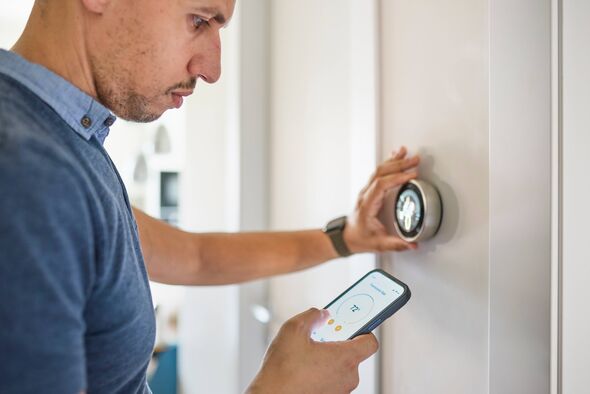
A recent survey indicates that over 80% of American households now incorporate some form of smart technology, ranging from refrigerators to robotic vacuum cleaners. The study, which surveyed 5,000 adults, reveals that homeowners have invested an average of $2,000 on these gadgets and appliances over the past five years.
Among the most popular devices, 58% of respondents reported owning smart TVs, while 35% have intelligent security doorbells. Additionally, 14% of homeowners possess refrigerators that can notify them when supplies are low. Other frequently mentioned devices include smart speakers, robot vacuums, and smart locks.
Homeowners’ Investment in Smart Technology
The study, commissioned by Vivint, found that 18% of participants cannot envision life without their preferred smart devices. Notably, 10% of homeowners upgrade or replace their technology annually, and 37% do so every two to five years. Looking ahead, 55% of those surveyed intend to purchase additional devices within the next year.
Respondents expressed a desire for features such as real-time alerts, battery backup or power-fail safety, and remote control via voice or app. Despite the high adoption rates, there remains room for enhancement. Approximately 20% of those surveyed believe their current smart setups could provide greater convenience, customization, and personalization.
Among smart technology users, 17% are early adopters, eager to buy new products upon their release. In contrast, 52% prefer to wait until devices have demonstrated their reliability.
Concerns and Future Aspirations
Cost continues to pose a significant barrier to wider adoption, alongside privacy and security concerns, as well as anxiety regarding potential device malfunctions. Two-thirds of respondents reported increases in their utility bills over the past year, leading 32% of smart tech users to consider energy efficiency a critical factor in their purchasing decisions. Interestingly, 40% of individuals without smart technology indicated that energy efficiency would be a crucial consideration if they decided to invest in smart home devices.
In a statement, a spokesperson for Vivint noted, “It’s clear from the results that alongside privacy and security, energy efficiency is a top priority among consumers regarding their smart home setups. While we already know that smart technology significantly saves time and eases stress, it can also make a substantial difference in energy management and related costs—at a time when we need it more than ever.”
As homeowners’ needs evolve, the demand for technology that enhances comfort, convenience, and peace of mind is likely to grow. The findings emphasize a notable shift in consumer priorities, with energy efficiency becoming a central focus in the world of smart home technology.












Black Men Confront Prostate Cancer: Jerry McCormick’s Journey

OpenMind Unveils Innovative App Store for Robot Software

UGA Hosts Renowned Nobel and Pulitzer Winners for Spring Lectures

Scotland’s 13 Michelin Star Restaurants Gear Up for 2026 Guide

International Team Discovers New Dinosaur Foskeia pelendonum in Spain

Nebraska’s Miracle Quads Celebrate 18 Years of Joy

Stanford Daily Launches Volume 269 with New Editorial Team

Community Events Bring Art, Education, and Culture to Ulster County

Claws Out Comedy Open Mic Night Wins Best Comedy Night Accolade

Nostradamus’ 2026 Predictions: Star Death and Dark Events Loom

OpenAI to Implement Age Verification for ChatGPT by December 2025

Discover the Top 10 Calorie Counting Apps of 2025

Bella Hadid Shares Health Update After Treatment for Lyme Disease

Analysts Project Stronger Growth for Apple’s iPhone 17 Lineup

Electric Moto Influencer Surronster Arrested in Tijuana

Harvard Secures Court Victory Over Federal Funding Cuts

Erin Bates Shares Recovery Update Following Sepsis Complications

Meta Initiates $60B AI Data Center Expansion, Starting in Ohio
-
 Science1 month ago
Nostradamus’ 2026 Predictions: Star Death and Dark Events Loom
-
 Technology2 months ago
OpenAI to Implement Age Verification for ChatGPT by December 2025
-
 Technology7 months ago
Discover the Top 10 Calorie Counting Apps of 2025
-
 Health5 months ago
Bella Hadid Shares Health Update After Treatment for Lyme Disease
-
 Health5 months ago
Analysts Project Stronger Growth for Apple’s iPhone 17 Lineup
-
 Technology5 months ago
Electric Moto Influencer Surronster Arrested in Tijuana
-
 Education5 months ago
Harvard Secures Court Victory Over Federal Funding Cuts
-
 Health5 months ago
Erin Bates Shares Recovery Update Following Sepsis Complications
-
 Technology7 months ago
Meta Initiates $60B AI Data Center Expansion, Starting in Ohio
-

 Technology6 months ago
Discover How to Reverse Image Search Using ChatGPT Effortlessly
-

 Science4 months ago
Starship V3 Set for 2026 Launch After Successful Final Test of Version 2
-

 Technology7 months ago
Recovering a Suspended TikTok Account: A Step-by-Step Guide