
Science
Trump’s Oil Blockade Against Venezuela Sparks Constitutional Debate

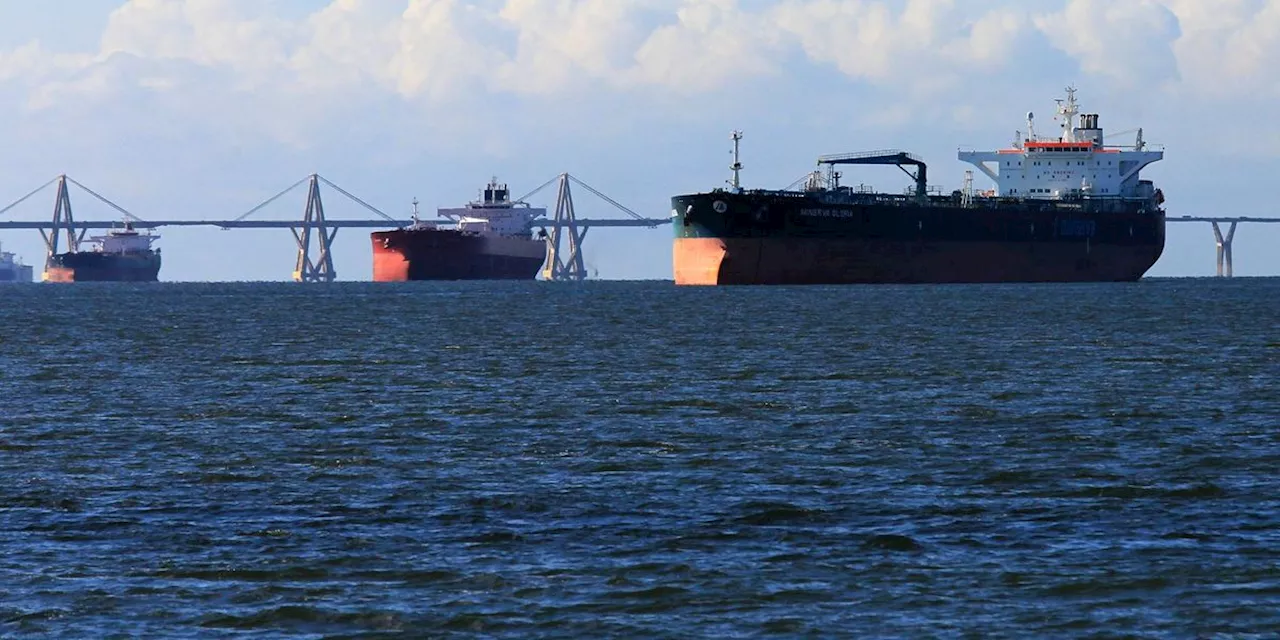
On December 16, 2025, President Donald Trump initiated what he termed a “total and complete blockade” of Venezuelan oil tankers. This declaration, made through his personal media platform, asserts that Venezuela is “completely surrounded by the largest Armada ever assembled in the History of South America.” Trump emphasized that this blockade would continue until the U.S. retrieves all Venezuelan “oil, land, and other assets.” This bold move raises significant concerns regarding its legality under U.S. constitutional law and sets a troubling precedent for executive authority.
The blockade challenges the established framework of U.S. governance, particularly the War Powers Resolution of 1973. This statute requires the President to seek congressional approval for any military action likely to lead to hostilities. Trump’s actions, which bypass this requirement, signal a formidable shift from traditional diplomatic strategies that previous administrations employed, such as sanctions and negotiations, to a reliance on military force.
Constitutional Implications of the Blockade
Under Article I of the U.S. Constitution, Congress holds the exclusive power to declare war. Article II designates the President as Commander-in-Chief but does not authorize unilateral military operations without legislative consent. The blockade, characterized as an act of military force under both domestic and international law, represents a clear violation of these constitutional provisions.
Military operations, including a naval blockade, inherently involve the use of force. Trump’s strategy, thus, is not merely a shift in foreign policy but a significant constitutional infringement. This action not only disrupts maritime commerce but also poses a direct challenge to the sovereignty of Venezuela.
Historical Context of Venezuela’s Oil Industry
President Trump’s justification for the blockade hinges on the claim that Venezuela “stole” American oil. However, this assertion lacks historical and legal foundation. Venezuela’s oil sector was nationalized in 1976 with the establishment of Petróleos de Venezuela, S.A. Over the years, while foreign companies operated under various agreements, the Venezuelan government progressively reasserted control over its resources, transitioning foreign-led projects into joint ventures.
The actions taken by Venezuela were sovereign decisions, falling within the country’s rights under international law. Disputes arising from these changes were typically resolved through arbitration and negotiation, rather than military intervention. Historically, the United States has not resorted to blockades or military force in similar scenarios across Latin America, making the current situation unprecedented and destabilizing.
The distinction between economic sanctions and military action is crucial. While the U.S. has employed sanctions to regulate economic activity, the blockade represents an aggressive escalation. Such military coercion blurs the lines between legal enforcement and armed conflict, raising alarming constitutional issues.
The Path Forward: Reasserting Constitutional Authority
The potential consequences of Trump’s actions extend beyond Venezuela. If the President can unilaterally impose a naval blockade based on economic grievances, it undermines the foundational principle of the separation of powers. The implications could enable future administrations to employ similar tactics against other nations where American interests are challenged.
To rectify the current trajectory, Congress must assert its constitutional role. Initiatives like House Concurrent Resolution 64 could reinforce the War Powers Resolution and limit unauthorized military actions. Furthermore, the executive branch should revert to lawful enforcement mechanisms, utilizing civil forfeiture and targeted sanctions rather than coercive military operations.
Diplomatic engagement is essential to resolving disputes over Venezuela’s resource management. Addressing these issues through negotiation and international frameworks is vital to maintaining a rule-based international order.
The implications of Trump’s blockade extend far beyond Venezuela’s shores. The erosion of constitutional governance not only threatens U.S. legal standards but also destabilizes established international norms. If unchecked, this shift could redefine how the U.S. interacts with the world, where military action replaces law, setting a dangerous precedent for future engagements.
As citizens and lawmakers observe these developments, it is crucial for Congress to act, ensuring that power is exercised within the bounds of the law, maintaining the principles that underpin the Republic.








Revolutionary Photonic Ski-Jump Could Miniaturize LiDAR Systems

Couples Detox from Plastics in New Netflix Doc: Can It Boost Fertility?

Aventon Launches Affordable Full-Suspension Electric Mountain Bike

Discover Eight Must-Try Restaurants This Spring Season

UC Irvine Team Unveils Innovative Ion Pump for Water Treatment

One-Third of Americans Trim Daily Expenses for Healthcare Needs

Apple Secures First Oscar in Three Years with F1: The Movie

Fourth Graders Celebrate St. Patrick’s Day with Creative Weather Drawings

Kim Kardashian Dazzles at Vanity Fair Oscars Party 2026

Nostradamus’ 2026 Predictions: Star Death and Dark Events Loom

Breakthroughs and Challenges Await Science in 2026

Electric Moto Influencer Surronster Arrested in Tijuana

OpenAI to Implement Age Verification for ChatGPT by December 2025

Discover the Top 10 Calorie Counting Apps of 2025

Bella Hadid Shares Health Update After Treatment for Lyme Disease

Analysts Project Stronger Growth for Apple’s iPhone 17 Lineup

Japanese Study Finds Rose Oil Can Increase Brain Gray Matter

Top 10 Penny Stocks to Watch in 2026 for Strong Returns
-
 Science4 months ago
Nostradamus’ 2026 Predictions: Star Death and Dark Events Loom
-
 Science4 months ago
Breakthroughs and Challenges Await Science in 2026
-
 Technology7 months ago
Electric Moto Influencer Surronster Arrested in Tijuana
-
 Technology4 months ago
OpenAI to Implement Age Verification for ChatGPT by December 2025
-
 Technology9 months ago
Discover the Top 10 Calorie Counting Apps of 2025
-
 Health7 months ago
Bella Hadid Shares Health Update After Treatment for Lyme Disease
-
 Health7 months ago
Analysts Project Stronger Growth for Apple’s iPhone 17 Lineup
-
 Health7 months ago
Japanese Study Finds Rose Oil Can Increase Brain Gray Matter
-
 Technology4 months ago
Top 10 Penny Stocks to Watch in 2026 for Strong Returns
-

 Science6 months ago
Starship V3 Set for 2026 Launch After Successful Final Test of Version 2
-

 Technology1 month ago
Nvidia GTC 2026: Major Announcements Expected for AI and Hardware
-

 Education7 months ago
Harvard Secures Court Victory Over Federal Funding Cuts