
Science
Rising Shark Bites in Australia Linked to Climate and Ecosystems

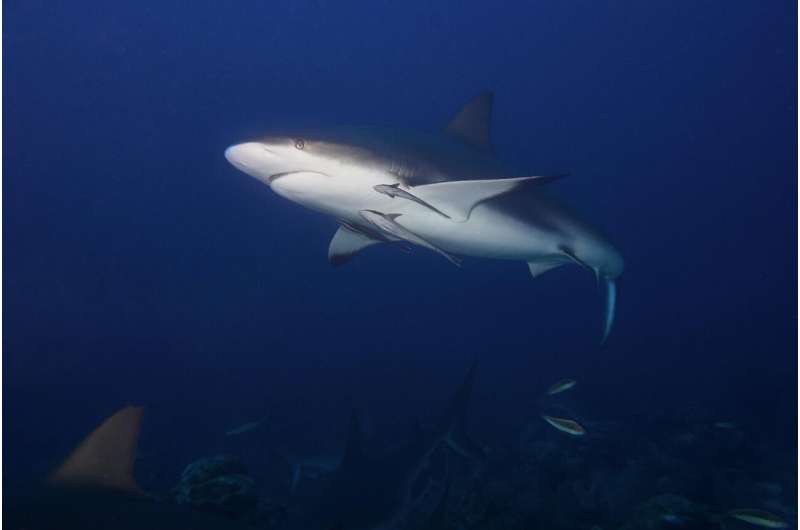
Shark bites in Australia have seen a notable increase recently, particularly in areas like Sydney Harbour, raising concerns about public safety. Research suggests that this surge is intricately linked to environmental factors, including heavy rainfall, coastal runoff, and shifts in local ecosystems rather than an increase in shark populations.
The perception of sharks, especially the great white shark (Carcharodon carcharias), often overshadows the complexities of these incidents. Many people associate shark attacks solely with this species, largely influenced by media portrayals. However, recent data indicates that many bites have been attributed to bull sharks (Carcharhinus leucas), which are more adaptable to murky waters and can thrive in both freshwater and saltwater environments.
Environmental Changes and Shark Behavior
Analyses from various shark bite incidents indicate a pattern: many attacks are occurring close to shore, particularly near estuaries following heavy rain. Bull sharks are uniquely suited to navigate low-visibility waters and are known to enter urban waterways. In contrast, great whites prefer clear, cooler coastal waters for hunting, making them less likely to engage in attacks in murky floodwaters.
Climate change is exacerbating these conditions. According to climate scientists and marine ecologists, extreme weather events and increased rainfall are altering salinity, temperature, and visibility in coastal ecosystems. Studies show that bull sharks are drawn to flooded areas as their prey species are displaced into these environments. Nutrient-rich runoff can attract baitfish, which in turn attracts the sharks.
Research conducted in eastern Australia highlights that bull sharks have been spending extended periods in areas like Sydney Harbour during warmer months. This behavior coincides with rising water temperatures and increased freshwater inflow, reflecting how environmental changes are reshaping shark movements and behaviors.
Understanding Shark Attacks and Human Interaction
Despite the growing number of shark bites, experts emphasize that these incidents often result from mistaken identity rather than predatory behavior. Most shark bites are classified as exploratory, with sharks engaging in a single bite before disengaging. The risk of fatality arises due to the sheer size and power of these creatures, particularly the great whites.
The overlap between human activity and shark habitats is significant, especially in urban coastal areas. Increased human presence in the ocean—such as swimming or surfing near river mouths, particularly after floods—heightens the risk of encounters. Urban runoff and altered river systems also play a role in attracting prey species closer to shore, further increasing interactions with sharks.
While the number of unprovoked shark attacks appears to be on the rise, it is crucial to view this statistic in context. The global human population has grown, leading to more people engaging in ocean activities. When adjusted for population size, the rate of unprovoked shark attacks remains low and stable.
As the conversation around shark bites continues, it is essential to shift the narrative away from fear and toward understanding. Instead of perceiving every shark encounter as a threat, recognizing the changing ocean conditions and how human actions influence these interactions is crucial. The ocean is evolving, and so must our relationship with its inhabitants. By fostering a responsible approach to coastal activities, we can reduce risks while respecting these apex predators.











NASA’s WB-57 Aircraft: A High-Altitude Research Powerhouse

AdventHealth’s Clinical Ladder Program Slashes Nurse Burnout

Washington Invests $12 Million to Expand EV Charging Network

Marin Initiative Connects Volunteers to Support Local Youth

Children’s Way Counseling Center Opens, Serving 86 Families

NASA Prepares for Critical Fuel Test Ahead of Artemis 2 Launch

Snow Forces Remote Learning in McDowell County Schools

Jennifer Lopez Dazzles in Vintage Elegance Ahead of Vegas Residency

AI Technology Transforms Hard-to-Synthesize Materials

Nostradamus’ 2026 Predictions: Star Death and Dark Events Loom

OpenAI to Implement Age Verification for ChatGPT by December 2025

Discover the Top 10 Calorie Counting Apps of 2025

Bella Hadid Shares Health Update After Treatment for Lyme Disease

Analysts Project Stronger Growth for Apple’s iPhone 17 Lineup

Electric Moto Influencer Surronster Arrested in Tijuana

Harvard Secures Court Victory Over Federal Funding Cuts

Erin Bates Shares Recovery Update Following Sepsis Complications

Discover How to Reverse Image Search Using ChatGPT Effortlessly
-
 Science1 month ago
Nostradamus’ 2026 Predictions: Star Death and Dark Events Loom
-
 Technology2 months ago
OpenAI to Implement Age Verification for ChatGPT by December 2025
-
 Technology7 months ago
Discover the Top 10 Calorie Counting Apps of 2025
-
 Health5 months ago
Bella Hadid Shares Health Update After Treatment for Lyme Disease
-
 Health5 months ago
Analysts Project Stronger Growth for Apple’s iPhone 17 Lineup
-
 Technology5 months ago
Electric Moto Influencer Surronster Arrested in Tijuana
-
 Education5 months ago
Harvard Secures Court Victory Over Federal Funding Cuts
-
 Health5 months ago
Erin Bates Shares Recovery Update Following Sepsis Complications
-
 Technology6 months ago
Discover How to Reverse Image Search Using ChatGPT Effortlessly
-

 Technology7 months ago
Meta Initiates $60B AI Data Center Expansion, Starting in Ohio
-

 Science4 months ago
Starship V3 Set for 2026 Launch After Successful Final Test of Version 2
-

 Technology7 months ago
Recovering a Suspended TikTok Account: A Step-by-Step Guide