
Lifestyle
Urban Elegance Meets Rustic Comfort: Home Design Trends for 2026

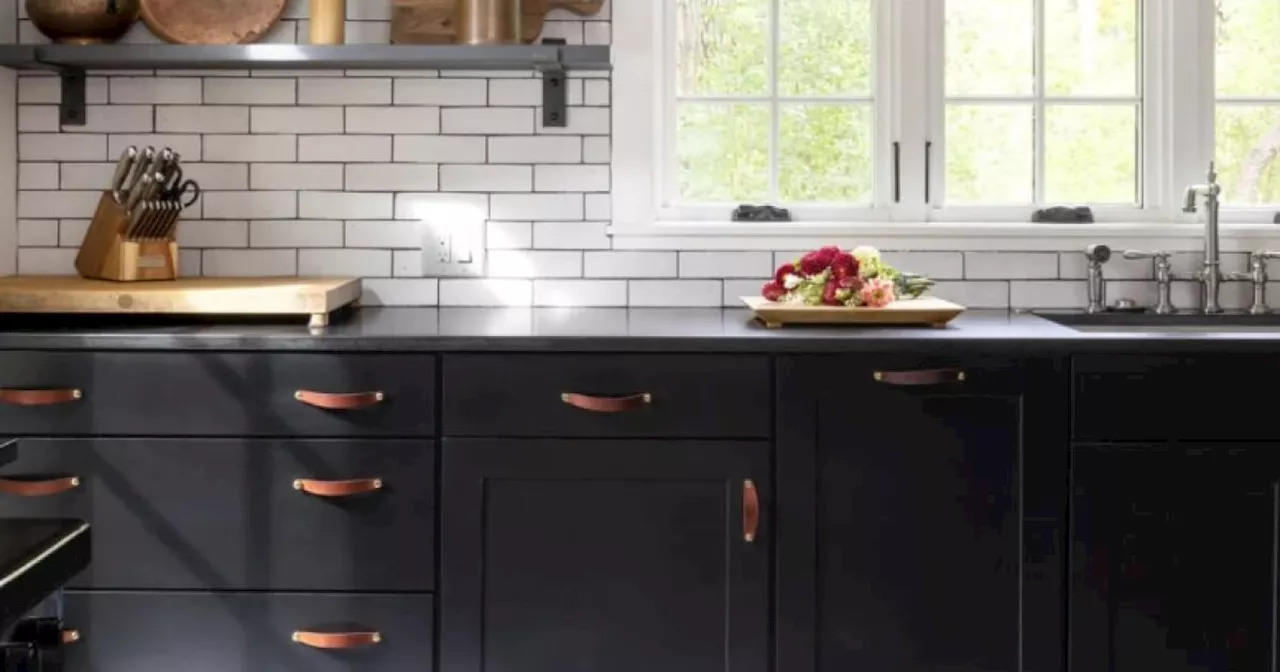
Home design is evolving, and two distinct aesthetics are emerging as leading trends for 2026: City Glow and Cottage Flow. These styles blend urban sophistication with organic, natural textures, creating a harmonious balance that reflects contemporary living needs. As homes increasingly serve dual purposes—sanctuaries for relaxation and functional workspaces—understanding how these aesthetics can coexist is vital.
The concept of home design has shifted from simple decoration to a more architectural approach, where the manipulation of lines, light, and shadows plays a crucial role in defining a room’s character. City Glow, for instance, is characterized by its dramatic flair, evoking the ambiance of a bustling metropolitan area. With deep charcoal walls, jewel-toned velvet furnishings, and sculptural lighting, this style transforms residential spaces into cinematic experiences.
City Glow: The Allure of Urban Sophistication
City Glow exudes confidence, utilizing a moody palette that includes midnight blues, forest greens, and accents of cognac and mustard. The aesthetic thrives on contrast, employing lacquered finishes and metal accents to capture ambient light. Designers like Chris and Julia Marcum, known for their DIY home renovations, emphasize the importance of curation over clutter. According to the Marcums, “High-shine pieces create contrast that feels intentional, not cold.”
This aesthetic focuses on creating intentional statements through design elements. A singular, high-gloss console table in a dimly lit hallway can elevate the entire aesthetic, making it feel both dramatic and sophisticated. It is about making bold choices that assert presence while avoiding the pitfalls of overcrowding a space.
Cottage Flow: Embracing Natural Comfort
In contrast, Cottage Flow embodies a softer, more tactile experience. This style prioritizes organic materials and a sense of history, drawing inspiration from the cottagecore trend but evolving into a more functional approach. The design promotes a lived-in feel, utilizing warm colors like oatmeal, sage green, and terracotta. Textures take center stage, with heavy linens, boucle, and raw cotton creating an inviting atmosphere.
Cottage Flow is not about rustic charm in the traditional sense but rather a calm, tactile environment. The materials used—such as white oak floors and handmade ceramic tiles—are selected for their natural imperfections. The Marcums perfectly encapsulate this philosophy, noting that elements like rattan bring an “organic ease that makes a room feel instantly more relaxed.”
Lighting plays a crucial role in differentiating these two styles. In City Glow spaces, lighting enhances the drama through chiaroscuro, utilizing multiple light sources to create depth and architectural shadows. Conversely, Cottage Flow favors ambient lighting that mimics natural daylight, creating a serene and inviting atmosphere.
Blending these two aesthetics requires a thoughtful approach. A successful transitional space might incorporate the boldness of City Glow with the warmth of Cottage Flow, creating a style known as “transitional eclectic.” For instance, a glossy black pendant light could hover over a rustic farmhouse table, marrying sophistication with comfort.
The 80/20 rule can guide this blending process. In homes with a City Glow foundation, introducing 20% of Cottage Flow elements—like a vintage rug or a textured throw—can soften the overall look. Alternatively, enhancing a Cottage Flow foundation with 20% City Glow elements—such as a sleek coffee table or a striking piece of art—can add contrast and prevent the space from feeling overly nostalgic.
Ultimately, the choice between City Glow and Cottage Flow is less about following trends and more about emotional resonance. Homeowners should consider what they need from their spaces: a vibrant environment that inspires creativity or a sanctuary that promotes relaxation. As the design landscape shifts towards mood-responsive environments, the goal is to create homes that feel expressive and restorative.
In 2026, the convergence of City Glow and Cottage Flow marks a departure from one-dimensional interiors. The interplay between boldness and warmth offers a refreshing approach to home design, allowing for spaces that are as dynamic as they are comforting. Embracing the tension between these two styles can lead to interiors that genuinely reflect personal taste and lifestyle, moving beyond mere decoration to the creation of a meaningful living experience.

Soundcore by Anker Headphones Offer Major Savings Ahead of Holidays

Universities Urged to Foster Open Dialogue Amid Rising Tensions

Urban Elegance Meets Rustic Comfort: Home Design Trends for 2026

European Space Agency Plans Bold Mission to Interstellar Comet

Cincinnati’s Brandon Saho Advocates for Men’s Mental Health on Oprah’s Podcast

Home Assistant Labs Unveils New Features for Smart Home Users

ChatGPT May Transform Apple Health Data into Personalized Insights

Applications Open for Gordon Hall III Family Foundation Scholarship

Fernandina Beach Seeks $23K to Restore Iconic Peg Leg Pete Statue

Discover the Top 10 Calorie Counting Apps of 2025

Bella Hadid Shares Health Update After Treatment for Lyme Disease

Erin Bates Shares Recovery Update Following Sepsis Complications

Discover How to Reverse Image Search Using ChatGPT Effortlessly

Electric Moto Influencer Surronster Arrested in Tijuana

Discover 2025’s Top GPUs for Exceptional 4K Gaming Performance

Meta Initiates $60B AI Data Center Expansion, Starting in Ohio

Recovering a Suspended TikTok Account: A Step-by-Step Guide

Tested: Rab Firewall Mountain Jacket Survives Harsh Conditions
-
 Technology5 months ago
Discover the Top 10 Calorie Counting Apps of 2025
-
 Health3 months ago
Bella Hadid Shares Health Update After Treatment for Lyme Disease
-
 Health3 months ago
Erin Bates Shares Recovery Update Following Sepsis Complications
-
 Technology4 months ago
Discover How to Reverse Image Search Using ChatGPT Effortlessly
-
 Technology3 months ago
Electric Moto Influencer Surronster Arrested in Tijuana
-
 Technology1 month ago
Discover 2025’s Top GPUs for Exceptional 4K Gaming Performance
-
 Technology5 months ago
Meta Initiates $60B AI Data Center Expansion, Starting in Ohio
-
 Technology5 months ago
Recovering a Suspended TikTok Account: A Step-by-Step Guide
-
 Health4 months ago
Tested: Rab Firewall Mountain Jacket Survives Harsh Conditions
-

 Lifestyle5 months ago
Belton Family Reunites After Daughter Survives Hill Country Floods
-

 Technology4 months ago
Harmonic Launches AI Chatbot App to Transform Mathematical Reasoning
-

 Technology3 months ago
Uncovering the Top Five Most Challenging Motorcycles to Ride