
Health
Scientists Uncover New Insights into Genetic Mutations in Humans

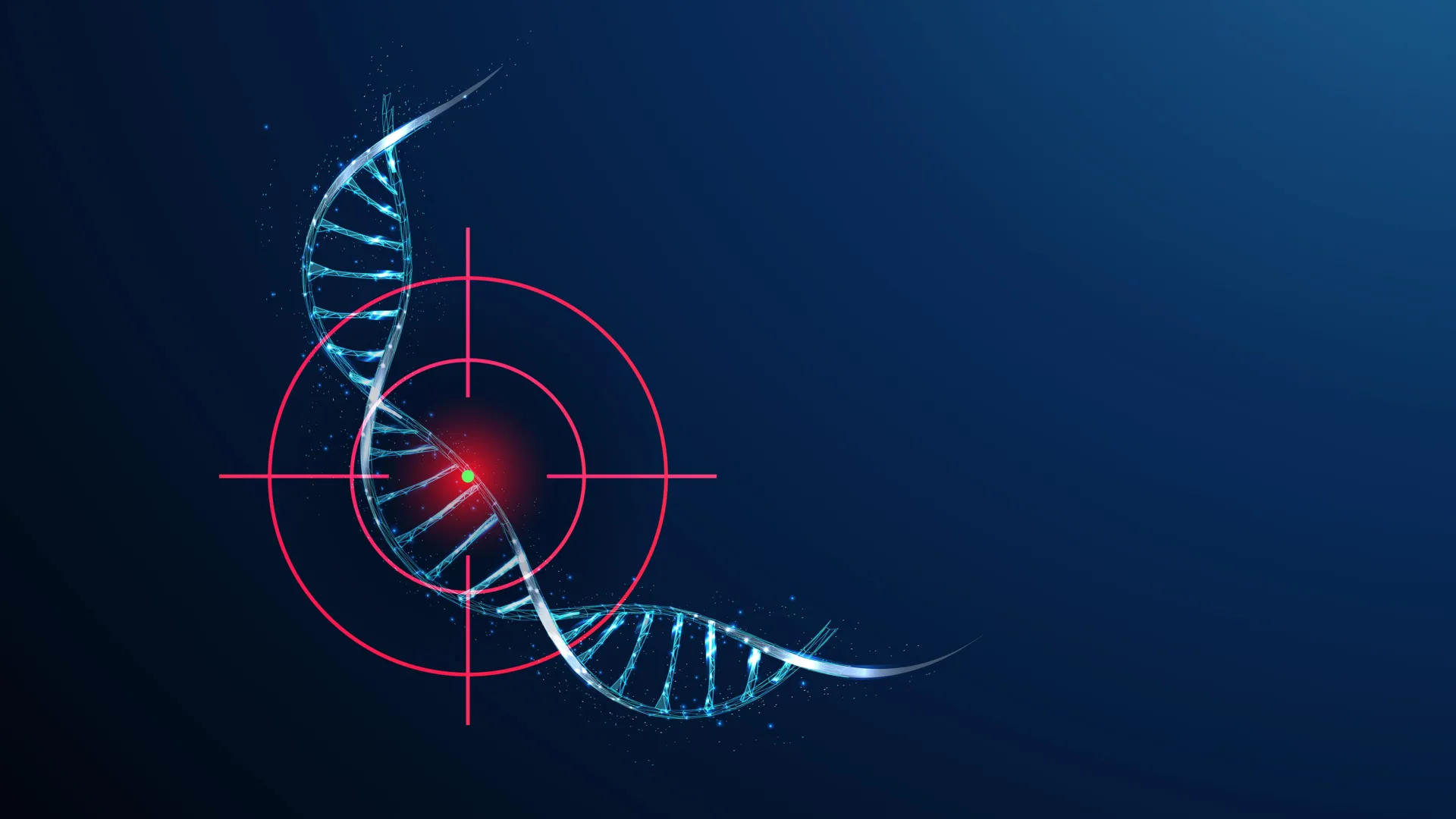
A recent study has revealed a significant vulnerability in human DNA, focusing on the first 100 base pairs of genes. Conducted by scientists at the Center for Genomic Regulation in Barcelona, the research highlights that these regions are particularly susceptible to mutations, especially during the early stages of embryonic development. Published on November 26, 2025, in Nature Communications, the findings underscore the need for a reevaluation of genetic models used to identify disease-related mutations.
The study identified that the first 100 base pairs following the transcription start sites—the points where DNA is copied into RNA—experience mutations at a rate that is 35% higher than previously expected. According to Dr. Donate Weghorn, the corresponding author of the study, these sequences are among the most functionally significant regions within the entire human genome, alongside protein-coding sequences.
Understanding Early Development and Mosaic Mutations
The research team discovered that many of these mutations arise shortly after conception, during the initial cell divisions in the embryo. These mutations, termed mosaic mutations, are present in only a subset of cells, which makes them challenging to detect. Consequently, parents may carry these mutations without exhibiting any symptoms, as they may only affect specific tissues. Nonetheless, such mutations can be passed on through reproductive cells, potentially leading to health complications in offspring.
To arrive at these conclusions, the researchers analyzed transcription start sites across 150,000 genomes from the UK Biobank and 75,000 genomes from the Genome Aggregation Database (gnomAD). Their examination revealed that gene start sites accumulate mutations at a higher rate than previously recognized, particularly in genes associated with cancer, brain function, and abnormal limb development. The research indicates that these mutations are likely harmful but are gradually filtered out by natural selection over generations.
Revising Genetic Models for Accurate Interpretation
The findings of this study raise critical questions about the current mutational models used in genetics, which estimate how many mutations should occur in specific genome regions under normal circumstances. These models serve as benchmarks for clinicians when assessing which mutations warrant further investigation. Given that transcription start sites naturally accumulate more mutations, the baseline expectations in genetic models must be updated to prevent misinterpretation of results.
Dr. Weghorn explained that without accounting for the higher mutation rate in these regions, models may misidentify the significance of observed mutations. For instance, if a model anticipates 10 mutations but observes 50, it could mistakenly conclude that more harmful changes are occurring when, in reality, the baseline should be much higher.
Additionally, the study highlights a potential blind spot in genetic research focused solely on mutations that appear in a child but not in either parent. This approach overlooks mosaic mutations, which can significantly contribute to disease. To address this issue, researchers may need to explore co-occurrence patterns of mutations and re-examine previously disregarded mutations occurring near critical transcription start sites.
The study’s insights not only enhance understanding of mutation formation but also expose an essential aspect of genetic research. The transcription process is described as rapid and chaotic, with the cell’s molecular machinery often pausing and sometimes initiating copying in both directions. This instability makes transcription start sites particularly vulnerable during the swift cell divisions that follow conception.
Dr. Weghorn concluded, “Finding a new source of mutations, especially those influencing the human germline, is a rare achievement.” This groundbreaking research opens new avenues for understanding genetic mutations and their implications for human health. As geneticists refine their models and techniques, the hope is that this knowledge will lead to improved detection and understanding of disease-relevant mutations in the future.









Strong Marriages Linked to Lower Obesity Risk, Study Reveals

Apple Stands Firm Against India’s Cyber Safety App Mandate

Manchester Students Create Ornaments for NH State Tree in D.C.

Mount Carmel Clinches 17th State Title with Stellar Defense

Researchers Unveil ‘OCTOID,’ Color-Changing Soft Robot Inspired by Octopuses

Survey Shows Most Americans Unaware of Midwives’ Expanded Roles

Soundcore by Anker Headphones Offer Major Savings Ahead of Holidays

Universities Urged to Foster Open Dialogue Amid Rising Tensions

Urban Elegance Meets Rustic Comfort: Home Design Trends for 2026

Discover the Top 10 Calorie Counting Apps of 2025

Bella Hadid Shares Health Update After Treatment for Lyme Disease

Erin Bates Shares Recovery Update Following Sepsis Complications

Discover How to Reverse Image Search Using ChatGPT Effortlessly

Electric Moto Influencer Surronster Arrested in Tijuana

Discover 2025’s Top GPUs for Exceptional 4K Gaming Performance

Meta Initiates $60B AI Data Center Expansion, Starting in Ohio

Recovering a Suspended TikTok Account: A Step-by-Step Guide

Tested: Rab Firewall Mountain Jacket Survives Harsh Conditions
-
 Technology5 months ago
Discover the Top 10 Calorie Counting Apps of 2025
-
 Health3 months ago
Bella Hadid Shares Health Update After Treatment for Lyme Disease
-
 Health3 months ago
Erin Bates Shares Recovery Update Following Sepsis Complications
-
 Technology4 months ago
Discover How to Reverse Image Search Using ChatGPT Effortlessly
-
 Technology3 months ago
Electric Moto Influencer Surronster Arrested in Tijuana
-
 Technology1 month ago
Discover 2025’s Top GPUs for Exceptional 4K Gaming Performance
-
 Technology5 months ago
Meta Initiates $60B AI Data Center Expansion, Starting in Ohio
-
 Technology5 months ago
Recovering a Suspended TikTok Account: A Step-by-Step Guide
-
 Health4 months ago
Tested: Rab Firewall Mountain Jacket Survives Harsh Conditions
-

 Lifestyle5 months ago
Belton Family Reunites After Daughter Survives Hill Country Floods
-

 Technology4 months ago
Harmonic Launches AI Chatbot App to Transform Mathematical Reasoning
-

 Technology3 months ago
Uncovering the Top Five Most Challenging Motorcycles to Ride