
Education
Universities Reject Trump’s Academic Compact, Highlight Freedom Concerns

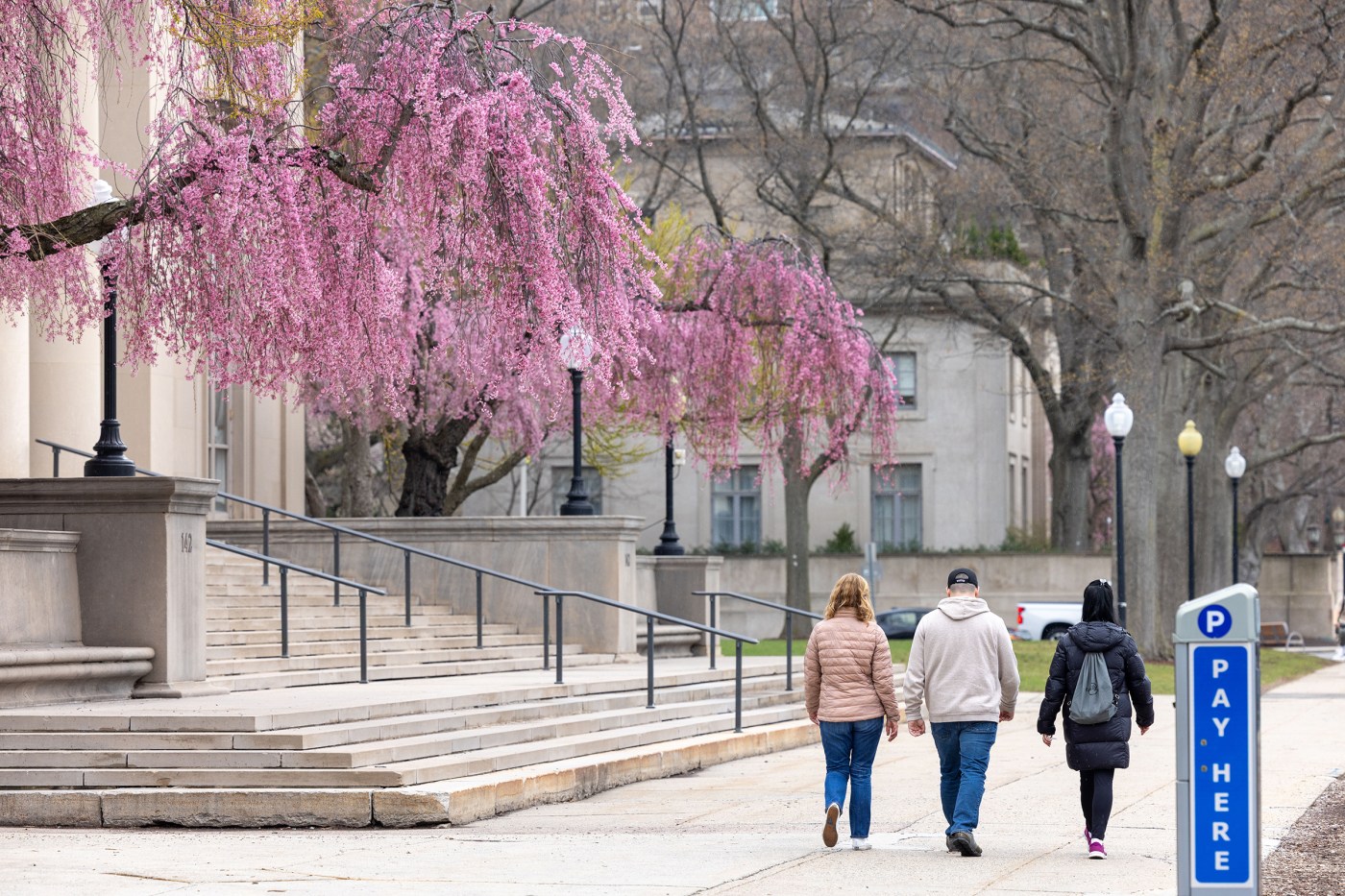
Seven out of the nine universities invited by the Trump administration to endorse the proposed Compact for Academic Excellence in Higher Education have declined to participate. The compact, which offers preferential treatment in exchange for institutional backing of President Donald Trump’s political agenda, has faced significant pushback from academic institutions. This collective refusal is seen as a victory for academic freedom.
In their letters of rejection, several universities emphasized that they were already implementing many of the compact’s suggested changes without any prompting. This raises concerns about the chilling effects on academic freedom, where faculty members may feel restricted in their ability to study, teach, and express ideas. The atmosphere created by such pressures can inhibit the exploration of certain topics, rendering them off-limits even without formal restrictions.
Academic freedom is essential in fostering an environment where research is evaluated based on its merits. It allows scholars to pursue inquiries, develop research agendas, and publish findings without undue influence from external parties. When universities fail to uphold the importance of academic freedom, they risk undermining their core mission.
On campuses nationwide, faculty, staff, students, and alumni urged their administrations to reject the compact. Institutions like the Massachusetts Institute of Technology (MIT) voiced their opposition early, asserting that the proposed reforms contradicted their belief that funding should be based solely on scientific merit.
Numerous letters from invited universities reiterated that research funding should be determined through free competition in the marketplace of ideas rather than political alignment. The prevailing view is that the best science should receive support based on merit, not ideology.
Concerns regarding the erosion of academic freedom have surfaced, particularly in instances where course syllabi are reviewed not for academic quality, but for ideological conformity. This trend has manifested in various state systems, notably in Texas, where researchers are prompted to avoid keywords that might attract federal scrutiny. Such practices create an environment of fear, where professors are reluctant to teach controversial or research-based concepts.
The issue extends beyond mere compliance with the compact. Universities have been known to modify their websites, job titles, and missions to align with the preferences of the administration, affecting academic integrity in 47 states. This raises the question of whether some institutions have preemptively undermined academic freedom to avoid federal backlash.
While the rejection of the compact has provided a moment of relief for many, the threats to academic freedom remain pervasive. The actions of university leaders in response to political pressures may reveal a more insidious trend: the internal erosion of academic freedom, compounded by external political influences.
The situation calls for strong, principled responses from faculty and university administrators alike. Surrendering to political pressure is as damaging as formally endorsing compacts that seek to shape higher education around a partisan vision. The recent developments reveal a troubling landscape for academic freedom that requires vigilant attention and advocacy.
Laura Isabel Serna, a media historian at the University of Southern California, serves as the president of the university’s chapter of the American Association of University Professors (AAUP). She emphasizes the need for universities to protect their academic missions against both internal and external threats.











Revolutionary Photonic Ski-Jump Could Miniaturize LiDAR Systems

Couples Detox from Plastics in New Netflix Doc: Can It Boost Fertility?

Aventon Launches Affordable Full-Suspension Electric Mountain Bike

Discover Eight Must-Try Restaurants This Spring Season

UC Irvine Team Unveils Innovative Ion Pump for Water Treatment

One-Third of Americans Trim Daily Expenses for Healthcare Needs

Apple Secures First Oscar in Three Years with F1: The Movie

Fourth Graders Celebrate St. Patrick’s Day with Creative Weather Drawings

Kim Kardashian Dazzles at Vanity Fair Oscars Party 2026

Nostradamus’ 2026 Predictions: Star Death and Dark Events Loom

Breakthroughs and Challenges Await Science in 2026

Electric Moto Influencer Surronster Arrested in Tijuana

OpenAI to Implement Age Verification for ChatGPT by December 2025

Discover the Top 10 Calorie Counting Apps of 2025

Bella Hadid Shares Health Update After Treatment for Lyme Disease

Analysts Project Stronger Growth for Apple’s iPhone 17 Lineup

Japanese Study Finds Rose Oil Can Increase Brain Gray Matter

Top 10 Penny Stocks to Watch in 2026 for Strong Returns
-
 Science4 months ago
Nostradamus’ 2026 Predictions: Star Death and Dark Events Loom
-
 Science4 months ago
Breakthroughs and Challenges Await Science in 2026
-
 Technology7 months ago
Electric Moto Influencer Surronster Arrested in Tijuana
-
 Technology4 months ago
OpenAI to Implement Age Verification for ChatGPT by December 2025
-
 Technology9 months ago
Discover the Top 10 Calorie Counting Apps of 2025
-
 Health7 months ago
Bella Hadid Shares Health Update After Treatment for Lyme Disease
-
 Health7 months ago
Analysts Project Stronger Growth for Apple’s iPhone 17 Lineup
-
 Health7 months ago
Japanese Study Finds Rose Oil Can Increase Brain Gray Matter
-
 Technology4 months ago
Top 10 Penny Stocks to Watch in 2026 for Strong Returns
-

 Science6 months ago
Starship V3 Set for 2026 Launch After Successful Final Test of Version 2
-

 Technology1 month ago
Nvidia GTC 2026: Major Announcements Expected for AI and Hardware
-
 Education7 months ago
Harvard Secures Court Victory Over Federal Funding Cuts