
Education
New Study Reveals 4,000 Steps Weekly Boosts Heart Health for Seniors

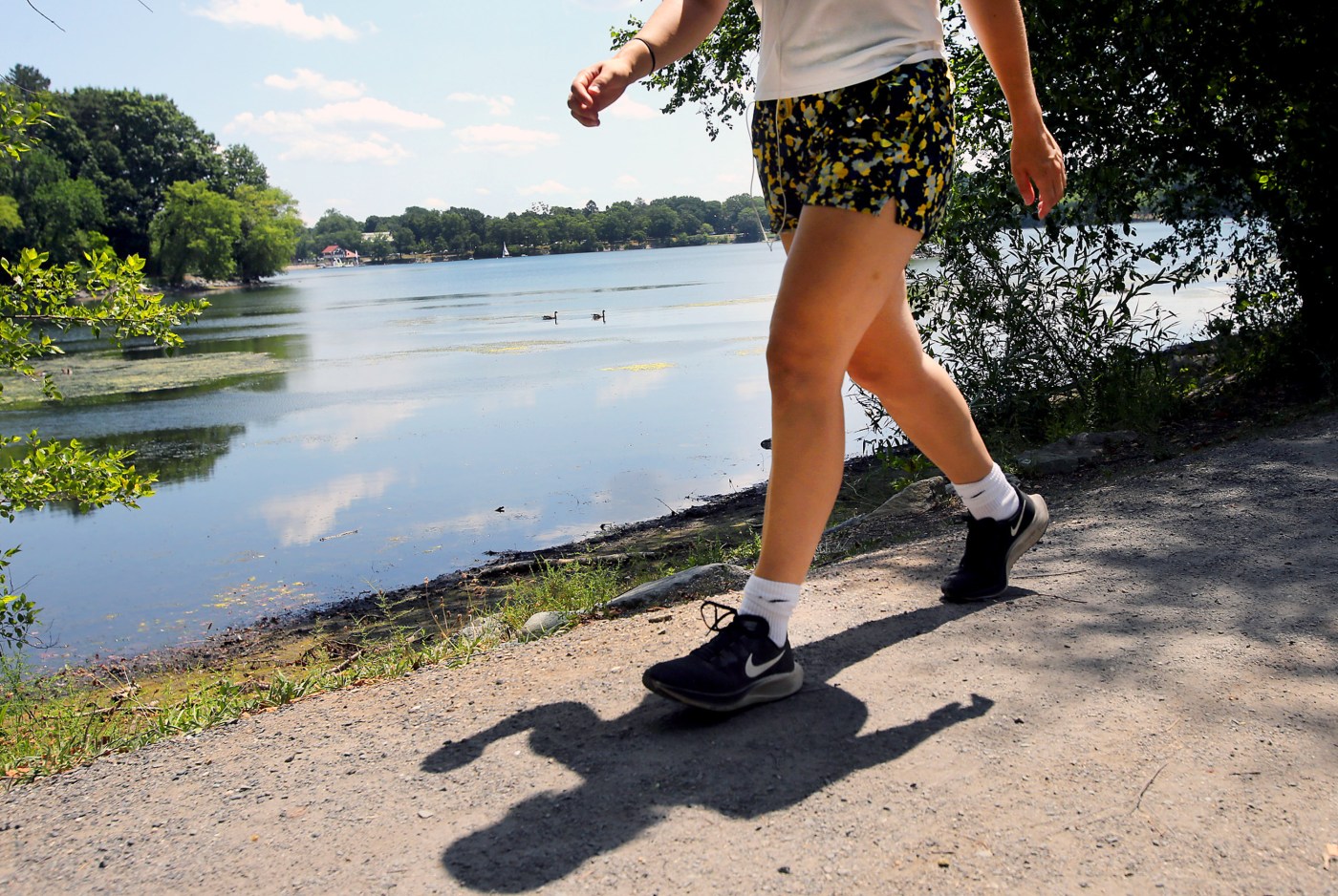
A recent study conducted by researchers at Mass General Brigham has shown that older women can reap significant health benefits with as few as 4,000 steps taken just one or two days a week. The findings challenge the widely accepted goal of 10,000 steps daily, revealing that lower step counts can still effectively reduce the risk of cardiovascular issues and mortality.
The study involved a cohort of 13,574 older women, averaging 72 years old, who participated in the Women’s Health Study. Over a ten-year period, researchers monitored the health outcomes of these women, who were free from cardiovascular disease and cancer at the start of the study. The women wore ActiGraph GT3X+ accelerometers to track their daily step counts from 2011 to 2015.
According to the research led by I-Min Lee, an epidemiologist at Brigham and Women’s Hospital, those who achieved 4,000 steps on one or two days weekly experienced a 27% lower risk of cardiovascular disease and a 26% lower risk of death compared to those who did not reach that threshold. The study also indicated that increasing the frequency of achieving those steps further enhanced health outcomes; women who managed to take 4,000 steps three or more days a week saw their mortality risk decrease by up to 40%.
Reevaluating Physical Activity Guidelines
Lee noted the importance of these findings in the context of modern lifestyles, where technological advancements have led to reduced physical activity, especially among older adults. “Because of today’s low step counts, it’s increasingly important to determine the minimum amount of physical activity required to improve health outcomes,” she said. This insights aim to provide realistic goals for a population often deemed less active.
The study categorized participants based on their step counts, noting that the total volume of steps taken seemed to play a more significant role in health benefits than the frequency of reaching specific step counts. Women who achieved similar total step counts—whether consistently throughout the week or in concentrated bursts—experienced comparable health advantages.
Future Research Directions
While these findings are promising, Lee and her team emphasized the need for further research to ascertain whether these effects apply to broader populations, including men and individuals from diverse ethnic backgrounds. Additionally, they aim to explore even lower step count thresholds to understand if fewer than 4,000 steps can also provide health benefits.
Lead author Rikuta Hamaya expressed hope that these findings would encourage the integration of step count metrics into physical activity guidelines, particularly the forthcoming 2028 U.S. Physical Activity Guidelines. “If we can promote taking at least 4,000 steps once per week in older women, we could reduce mortality and cardiovascular disease risk across the country,” Hamaya stated.
This study underscores the importance of gradual physical activity and provides a new perspective on how even modest levels of movement can significantly enhance health outcomes for seniors.










Revolutionary Photonic Ski-Jump Could Miniaturize LiDAR Systems

Couples Detox from Plastics in New Netflix Doc: Can It Boost Fertility?

Aventon Launches Affordable Full-Suspension Electric Mountain Bike

Discover Eight Must-Try Restaurants This Spring Season

UC Irvine Team Unveils Innovative Ion Pump for Water Treatment

One-Third of Americans Trim Daily Expenses for Healthcare Needs

Apple Secures First Oscar in Three Years with F1: The Movie

Fourth Graders Celebrate St. Patrick’s Day with Creative Weather Drawings

Kim Kardashian Dazzles at Vanity Fair Oscars Party 2026

Nostradamus’ 2026 Predictions: Star Death and Dark Events Loom

Breakthroughs and Challenges Await Science in 2026

Electric Moto Influencer Surronster Arrested in Tijuana

OpenAI to Implement Age Verification for ChatGPT by December 2025

Discover the Top 10 Calorie Counting Apps of 2025

Bella Hadid Shares Health Update After Treatment for Lyme Disease

Analysts Project Stronger Growth for Apple’s iPhone 17 Lineup

Japanese Study Finds Rose Oil Can Increase Brain Gray Matter

Top 10 Penny Stocks to Watch in 2026 for Strong Returns
-
 Science3 months ago
Nostradamus’ 2026 Predictions: Star Death and Dark Events Loom
-
 Science3 months ago
Breakthroughs and Challenges Await Science in 2026
-
 Technology7 months ago
Electric Moto Influencer Surronster Arrested in Tijuana
-
 Technology4 months ago
OpenAI to Implement Age Verification for ChatGPT by December 2025
-
 Technology9 months ago
Discover the Top 10 Calorie Counting Apps of 2025
-
 Health7 months ago
Bella Hadid Shares Health Update After Treatment for Lyme Disease
-
 Health7 months ago
Analysts Project Stronger Growth for Apple’s iPhone 17 Lineup
-
 Health7 months ago
Japanese Study Finds Rose Oil Can Increase Brain Gray Matter
-
 Technology4 months ago
Top 10 Penny Stocks to Watch in 2026 for Strong Returns
-

 Science6 months ago
Starship V3 Set for 2026 Launch After Successful Final Test of Version 2
-

 Technology1 month ago
Nvidia GTC 2026: Major Announcements Expected for AI and Hardware
-

 Education7 months ago
Harvard Secures Court Victory Over Federal Funding Cuts