
Technology
Abandoned Raspberry Pi Projects: Why Mini PCs Outperform

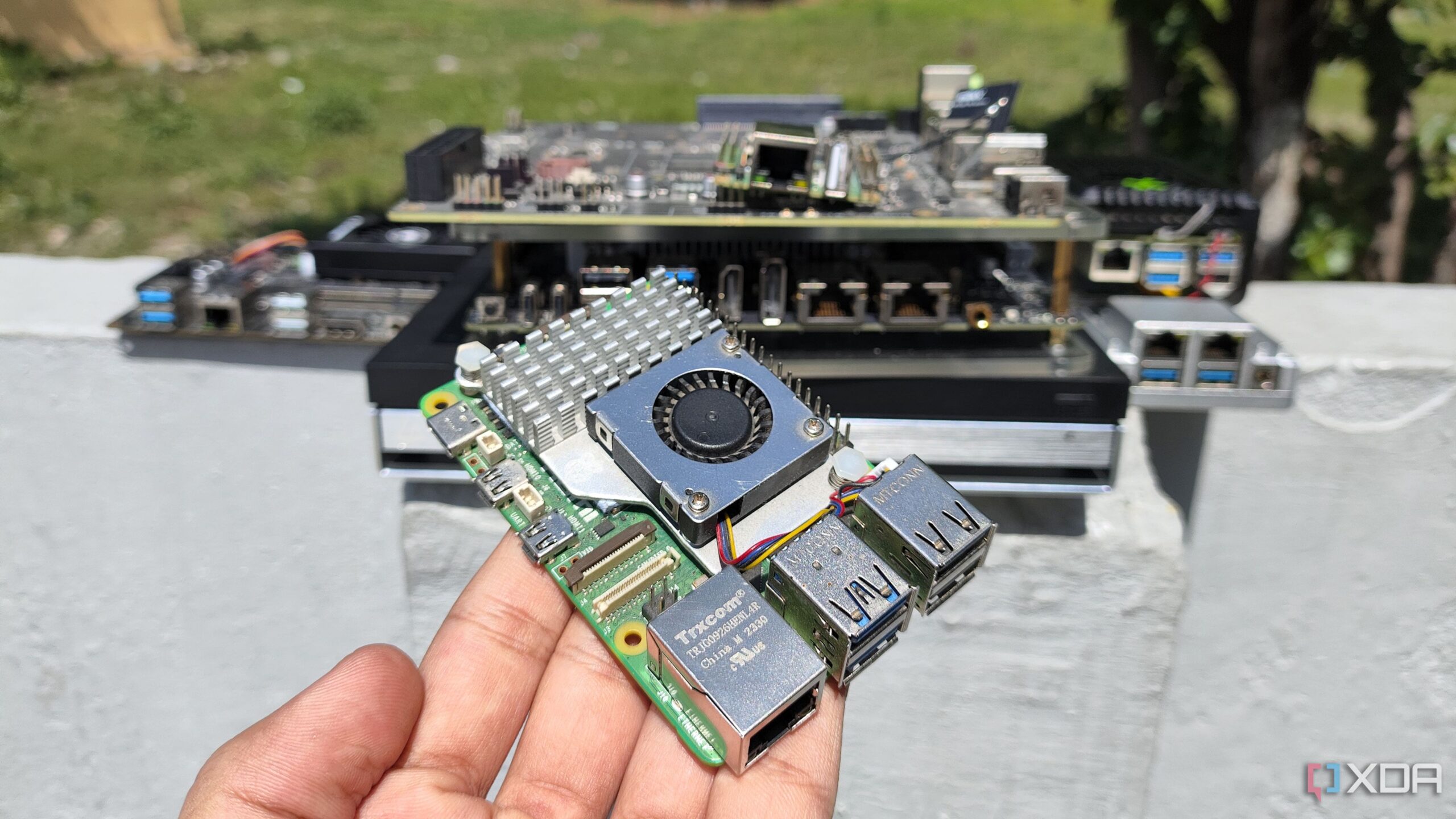
After extensive exploration of DIY projects using the Raspberry Pi, many enthusiasts are discovering that sub-$150 mini PCs often deliver superior performance. This shift in preference has led to the abandonment of several Raspberry Pi projects that initially seemed promising but ultimately fell short in functionality compared to more powerful alternatives.
The journey began with the Raspberry Pi Zero, a compact and affordable solution that inspired countless innovative projects. Over time, the release of the Raspberry Pi 5 marked a significant advancement, providing enhanced hardware capabilities. With improved processing power and memory, the Raspberry Pi 5 allows users to experiment with a wider range of applications without facing the performance limitations that earlier models presented.
The Rise of Mini PCs
As the market for mini PCs has expanded, many users have found that these devices can run demanding applications more efficiently. Mini PCs, which can be purchased for under $150, often feature more robust specifications than the Raspberry Pi. This includes better CPU performance, increased RAM, and superior graphics capabilities, making them more suitable for tasks such as media streaming, gaming, and even software development.
For instance, while the Raspberry Pi has been a staple in the maker community, its ability to handle intensive workloads has always been a limitation. Users have reported that mini PCs can execute similar projects with greater ease and less frustration. This has led to a re-evaluation of how hobbyists approach their projects.
Some users have shifted from using Raspberry Pi devices for home automation systems or media centers to opting for these more capable mini PCs. The transition reflects a growing demand for reliable performance, particularly for applications that require significant processing power.
Rethinking DIY Projects
The realization that mini PCs can outperform Raspberry Pi models has prompted many to reconsider their DIY projects. For example, projects aimed at building home servers or media centers have seen a marked increase in successful implementations with mini PCs. The ease of setup and enhanced capabilities often translate to a smoother user experience, which is crucial for enthusiasts looking to maximize their project outcomes.
Moreover, the community surrounding Raspberry Pi continues to thrive, encouraging experimentation and innovation. However, the emergence of mini PCs as a viable alternative has sparked discussions about the future direction of DIY computing projects. Users are sharing their experiences and insights online, highlighting the strengths and weaknesses of each platform.
As technology evolves, so too do the tools available for creators. This ongoing transformation in the DIY community underscores the importance of adaptability and open-mindedness in the face of new developments. The shift towards mini PCs does not diminish the value of the Raspberry Pi; instead, it illustrates a broader trend towards efficiency and performance in computing.
In conclusion, while the Raspberry Pi has played a pivotal role in fostering creativity and innovation, the growing capabilities of sub-$150 mini PCs are reshaping the landscape of DIY projects. As users seek better performance and functionality, the conversation around these devices will undoubtedly continue to evolve.





Saintly City Snow Angels Seek Volunteers for Sidewalk Shoveling

Researchers Turn Seashells into Low-Carbon Concrete Solution

San Francisco Files Lawsuit Against Major Ultra-Processed Food Makers

Drivers Warn of Dangers Behind the Wheel of Porsche Carrera GT

Melville Library Honors Student Artist with Commemorative Plaque

Bay High School Celebrates 98 New Inductees into National Honor Society

Boys & Girls Club of Lake Tahoe Hosts 4th Holiday Sausage Party

Major Study Reveals Nose Microbiome’s Role in Staph Aureus Risks

Researchers Unveil New Strategy Against Aggressive Blood Cancer

Discover the Top 10 Calorie Counting Apps of 2025

Bella Hadid Shares Health Update After Treatment for Lyme Disease

Erin Bates Shares Recovery Update Following Sepsis Complications

Discover How to Reverse Image Search Using ChatGPT Effortlessly

Discover 2025’s Top GPUs for Exceptional 4K Gaming Performance

Electric Moto Influencer Surronster Arrested in Tijuana

Meta Initiates $60B AI Data Center Expansion, Starting in Ohio

Recovering a Suspended TikTok Account: A Step-by-Step Guide

Tested: Rab Firewall Mountain Jacket Survives Harsh Conditions
-
 Technology5 months ago
Discover the Top 10 Calorie Counting Apps of 2025
-
 Health2 months ago
Bella Hadid Shares Health Update After Treatment for Lyme Disease
-
 Health3 months ago
Erin Bates Shares Recovery Update Following Sepsis Complications
-
 Technology4 months ago
Discover How to Reverse Image Search Using ChatGPT Effortlessly
-
 Technology1 month ago
Discover 2025’s Top GPUs for Exceptional 4K Gaming Performance
-
 Technology2 months ago
Electric Moto Influencer Surronster Arrested in Tijuana
-
 Technology5 months ago
Meta Initiates $60B AI Data Center Expansion, Starting in Ohio
-
 Technology5 months ago
Recovering a Suspended TikTok Account: A Step-by-Step Guide
-
 Health4 months ago
Tested: Rab Firewall Mountain Jacket Survives Harsh Conditions
-

 Lifestyle5 months ago
Belton Family Reunites After Daughter Survives Hill Country Floods
-

 Technology4 months ago
Harmonic Launches AI Chatbot App to Transform Mathematical Reasoning
-

 Technology3 months ago
Uncovering the Top Five Most Challenging Motorcycles to Ride