
Science
Scientists Create Self-Destructing Plastic to Tackle Waste Crisis

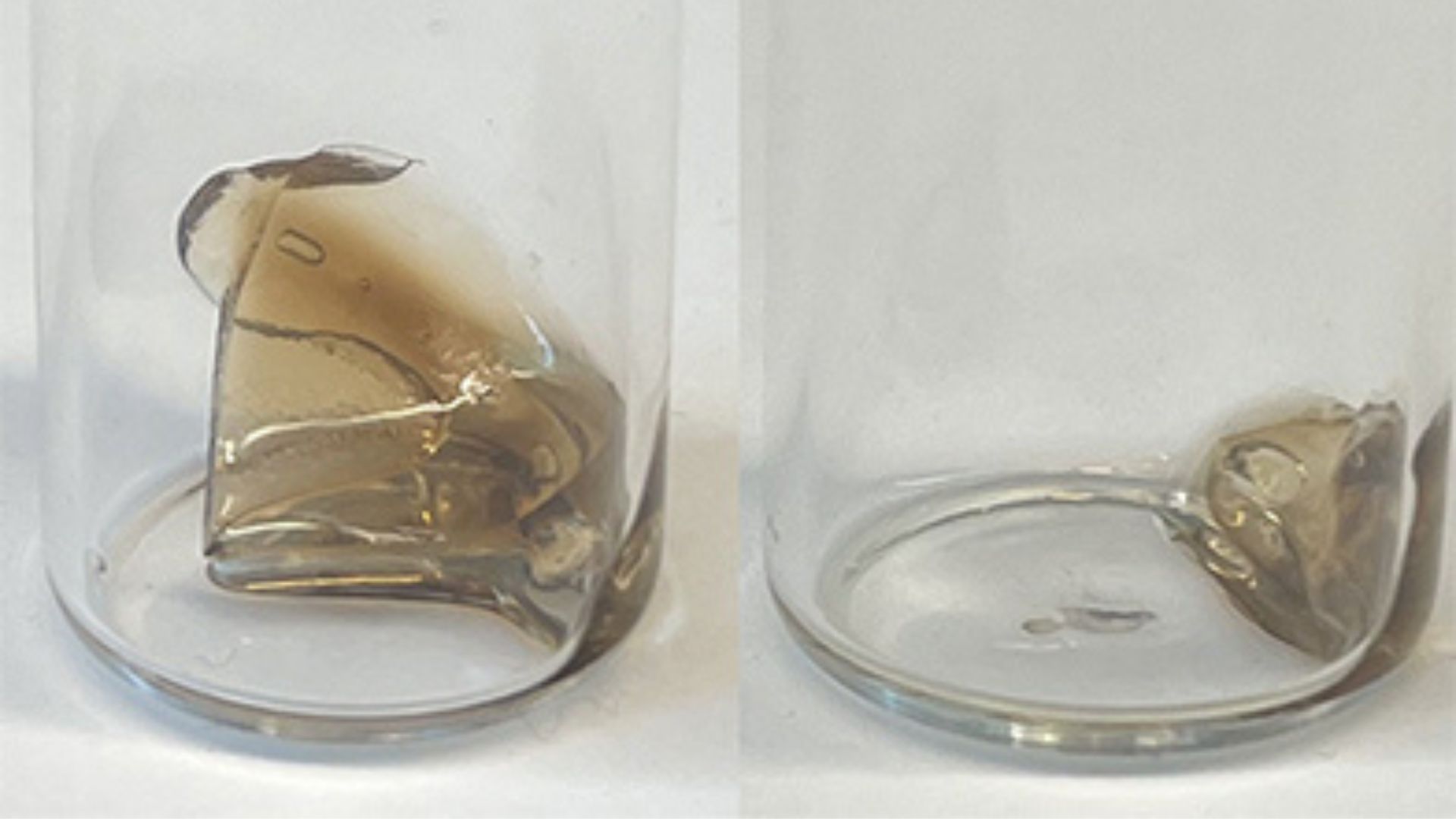
Researchers at Rutgers University have unveiled a groundbreaking development in materials science: self-destructing plastics that can decompose on demand. This innovative approach utilizes chemistry inspired by natural processes, presenting a potential solution to the global plastic waste crisis.
The newly developed plastics can break down at programmed rates, allowing for greater control over their lifespan. This technology aims to address the environmental challenges posed by traditional plastics, which can take hundreds of years to decompose. The team’s findings, published in a recent study, highlight the potential for these materials to significantly reduce plastic pollution.
Innovative Chemistry Behind Self-Destructing Plastics
The research team, led by scientists at Rutgers, focused on designing plastics that mimic the breakdown processes found in nature. By using specific chemical reactions, they created materials that can be engineered to disintegrate after a predetermined period or under certain conditions. This approach is a departure from conventional plastics, which often persist in the environment long after their intended use.
In their experiments, the researchers demonstrated that these self-destructing plastics could be programmed to dissolve within days, weeks, or months, depending on environmental triggers such as heat or moisture. The ability to customize the degradation timeline allows for applications in various industries, including packaging, agriculture, and consumer goods.
The implications of this technology are significant. With global plastic production exceeding 370 million metric tons annually, reducing the durability of plastics could help mitigate their impact on ecosystems and wildlife. The researchers believe their work could lead to a new class of sustainable materials that balance functionality with environmental responsibility.
Addressing the Global Plastic Waste Crisis
The development of self-destructing plastics comes at a time when the world grapples with the escalating plastic waste crisis. According to recent reports, 8 million tons of plastic waste enter the oceans each year, leading to devastating effects on marine life and ecosystems. As public awareness of plastic pollution grows, there is an urgent need for innovative solutions.
This research represents a significant step towards sustainable materials that can help reduce the volume of plastic waste in landfills and oceans. The team at Rutgers envisions that these self-destructing plastics could be integrated into various products, offering manufacturers a more environmentally friendly alternative.
While the technology is still in the early stages of development, its potential applications are vast. The researchers are now exploring partnerships with industry leaders to further enhance the material’s properties and scalability. Their goal is to bring these self-destructing plastics to market within the next few years, paving the way for a more sustainable future.
In conclusion, the creation of self-destructing plastics by the Rutgers team marks a pivotal moment in the fight against plastic waste. By harnessing the principles of natural chemistry, they have opened new avenues for environmentally responsible materials that could transform industries and reduce the ecological footprint of plastic products.













Boys & Girls Club of Lake Tahoe Hosts 4th Holiday Sausage Party

Major Study Reveals Nose Microbiome’s Role in Staph Aureus Risks

Researchers Unveil New Strategy Against Aggressive Blood Cancer

Cyber Monday Discounts Still Available on Top Tech Gadgets

Yale’s Josh Geballe Discusses Innovations in Entrepreneurship

Boys & Girls Club Hosts 4th Annual Holiday Sausage Party

Wedding Gift Miscommunication Strains Friendship Between Families

New Study Offers Key Harm Reduction Tips for First-Time Psychedelic Users

TrumpRx Initiative Aims to Lower Prescription Drug Prices

Discover the Top 10 Calorie Counting Apps of 2025

Bella Hadid Shares Health Update After Treatment for Lyme Disease

Erin Bates Shares Recovery Update Following Sepsis Complications

Discover How to Reverse Image Search Using ChatGPT Effortlessly

Discover 2025’s Top GPUs for Exceptional 4K Gaming Performance

Electric Moto Influencer Surronster Arrested in Tijuana

Meta Initiates $60B AI Data Center Expansion, Starting in Ohio

Recovering a Suspended TikTok Account: A Step-by-Step Guide

Tested: Rab Firewall Mountain Jacket Survives Harsh Conditions
-
 Technology5 months ago
Discover the Top 10 Calorie Counting Apps of 2025
-
 Health2 months ago
Bella Hadid Shares Health Update After Treatment for Lyme Disease
-
 Health3 months ago
Erin Bates Shares Recovery Update Following Sepsis Complications
-
 Technology4 months ago
Discover How to Reverse Image Search Using ChatGPT Effortlessly
-
 Technology1 month ago
Discover 2025’s Top GPUs for Exceptional 4K Gaming Performance
-
 Technology2 months ago
Electric Moto Influencer Surronster Arrested in Tijuana
-
 Technology5 months ago
Meta Initiates $60B AI Data Center Expansion, Starting in Ohio
-
 Technology5 months ago
Recovering a Suspended TikTok Account: A Step-by-Step Guide
-
 Health4 months ago
Tested: Rab Firewall Mountain Jacket Survives Harsh Conditions
-

 Lifestyle5 months ago
Belton Family Reunites After Daughter Survives Hill Country Floods
-

 Technology4 months ago
Harmonic Launches AI Chatbot App to Transform Mathematical Reasoning
-

 Technology3 months ago
Uncovering the Top Five Most Challenging Motorcycles to Ride