
Science
Earth’s Magnetic Field Shifts: Implications for Life and Technology

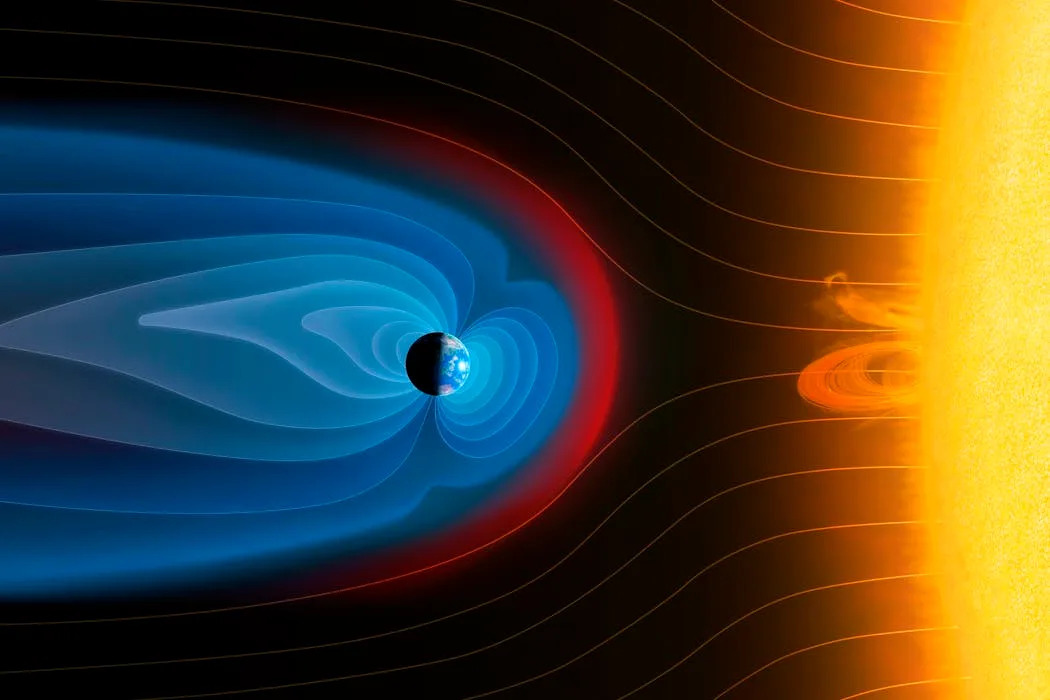
The Earth’s magnetic field, crucial for shielding life from radiation and protecting technology, is undergoing significant changes. Recent studies reveal that the magnetic poles have been shifting, a phenomenon that could signal an impending reversal of the field, where the north and south poles exchange positions. This reversal, although gradual, may have far-reaching consequences for the planet’s climate and technological systems.
Understanding the Magnetic Field’s Role
The magnetic field acts like a protective bubble, known as the magnetosphere, which extends above the Earth’s atmosphere. It deflects harmful cosmic rays and solar wind, safeguarding satellites and power grids from potential disruptions. According to Ofer Cohen, a physicist at UMass Lowell, the movement of the magnetic poles has been tracked for centuries, highlighting a dynamic and shifting global magnetic landscape.
Historically, the north magnetic pole has migrated approximately 600 miles (965 kilometers) since measurements commenced in 1831. Recently, the pole’s movement speed has accelerated, increasing from 10 miles per year to 34 miles per year (16 km to 54 km). This rapid change could indicate the onset of a magnetic field reversal, although scientists caution that more data is needed to confirm such a shift.
Implications of a Magnetic Reversal
The reversal of the Earth’s magnetic field does not occur suddenly; rather, it unfolds over thousands of years. During this period, the magnetosphere might become less stable, potentially exposing the Earth to higher levels of cosmic radiation. This could impact the ozone layer and lead to changes in atmospheric conditions.
The magnetic field’s dynamics are influenced by the Earth’s liquid iron core, where electric charges move and generate the field. Similar processes occur in other planets, such as gas giants like Jupiter, which possess their own magnetic fields due to conducting layers.
Geomagnetic storms, triggered by solar activity such as coronal mass ejections, pose additional risks. When these magnetized clouds interact with the magnetosphere, they can create hazardous conditions for satellites and disrupt communication systems. Such storms also have the potential to overload electrical grids and damage infrastructure, highlighting the critical nature of monitoring the magnetic field.
Scientists utilize various methodologies to map and analyze the magnetic field, including local measurements and advanced modeling techniques. Current research focuses on understanding the patterns of movement and the potential for future reversals. While the average time between magnetic reversals varies from 100,000 to 1,000,000 years, the last significant reversal occurred approximately 780,000 years ago.
As researchers continue to track the shifting magnetic north, the importance of this field in safeguarding life and technology remains paramount. Understanding the implications of these changes will be crucial for preparing for any potential impacts on modern society.
This article is based on insights from Ofer Cohen, who has received funding from NASA related to his research. The ongoing study of Earth’s magnetic field provides valuable knowledge that can help mitigate risks associated with its fluctuations and enhance our understanding of planetary dynamics.






Driver Arrested for DUI After Crashing into Home in Yakima

Jacksonville HealthLink Program Faces Scrutiny Amid Resident Support

Rethinking A/B Testing: Speed Up Decisions to Boost Growth

Runner Rescued After Cardiac Arrest at California Marathon

Palmer Luckey Advocates for AI in Military Decision-Making

Driver Arrested After Crashing Into Family Home in Yakima

WJXT Celebrates Success with Four Suncoast Emmy Awards

Researchers Secure $1.25M Grant for Hawaiʻi Hazard Monitoring Sensors

Study Reveals Potential for Expanded Donor Pool in Stem Cell Transplants

Discover the Top 10 Calorie Counting Apps of 2025

Bella Hadid Shares Health Update After Treatment for Lyme Disease

OpenAI to Implement Age Verification for ChatGPT by December 2025

Erin Bates Shares Recovery Update Following Sepsis Complications

Discover How to Reverse Image Search Using ChatGPT Effortlessly

Discover 2025’s Top GPUs for Exceptional 4K Gaming Performance

Electric Moto Influencer Surronster Arrested in Tijuana

Meta Initiates $60B AI Data Center Expansion, Starting in Ohio

Recovering a Suspended TikTok Account: A Step-by-Step Guide
-
 Technology5 months ago
Discover the Top 10 Calorie Counting Apps of 2025
-
 Health3 months ago
Bella Hadid Shares Health Update After Treatment for Lyme Disease
-
 Technology6 days ago
OpenAI to Implement Age Verification for ChatGPT by December 2025
-
 Health3 months ago
Erin Bates Shares Recovery Update Following Sepsis Complications
-
 Technology4 months ago
Discover How to Reverse Image Search Using ChatGPT Effortlessly
-
 Technology1 month ago
Discover 2025’s Top GPUs for Exceptional 4K Gaming Performance
-
 Technology3 months ago
Electric Moto Influencer Surronster Arrested in Tijuana
-
 Technology5 months ago
Meta Initiates $60B AI Data Center Expansion, Starting in Ohio
-
 Technology5 months ago
Recovering a Suspended TikTok Account: A Step-by-Step Guide
-

 Health3 months ago
Analysts Project Stronger Growth for Apple’s iPhone 17 Lineup
-

 Health5 months ago
Tested: Rab Firewall Mountain Jacket Survives Harsh Conditions
-

 Lifestyle5 months ago
Belton Family Reunites After Daughter Survives Hill Country Floods