
Health
Discover How the Brain’s Detox System Fights Alzheimer’s Risk

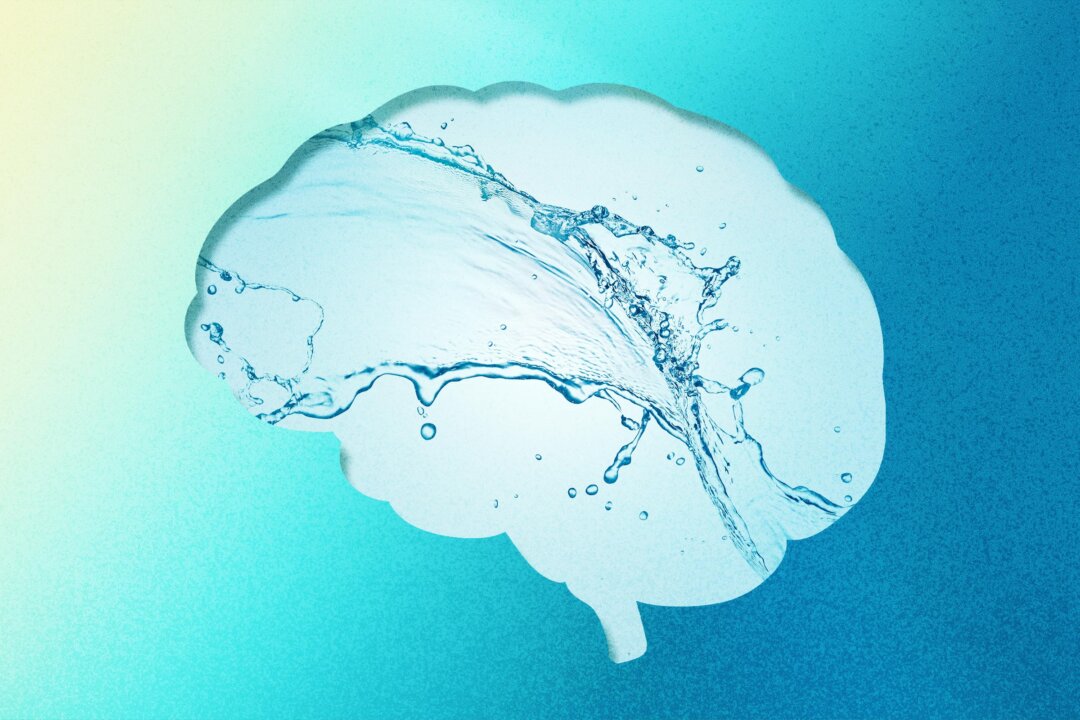
Alzheimer’s disease poses a growing challenge as many individuals experience cognitive decline marked by memory lapses and slower thought processes. Recent insights reveal that the human brain possesses an inherent detoxification system that can significantly decrease the risk of developing Alzheimer’s when properly supported. During an interview with Brendon Fallon for the program Vital Signs, renowned heart transplant surgeon Dr. Gerald Lemole elaborated on this natural defense mechanism and provided evidence-based strategies to enhance brain health.
Understanding the Glymphatic System
At the core of this brain detoxification process is the glymphatic system, a complex network of channels that works to clear waste and toxins from the brain. This system operates primarily during sleep, functioning much like a housekeeping crew that refreshes the brain overnight. Research has shown that the glymphatic system plays a crucial role in maintaining cognitive function and may help mitigate the impacts of neurodegenerative diseases such as Alzheimer’s.
Dr. Lemole emphasized the importance of supporting this system through lifestyle choices. He noted that adequate sleep, regular physical activity, and a balanced diet rich in antioxidants can bolster the brain’s natural cleaning process. According to studies, individuals who prioritize these health practices tend to exhibit better cognitive performance as they age.
Practical Tips for Supporting Brain Health
Dr. Lemole provided several actionable recommendations to enhance the effectiveness of the glymphatic system. He highlighted the significance of maintaining a consistent sleep schedule, aiming for at least seven to eight hours of quality sleep each night. Sleep is vital for the brain’s detoxification process, as it allows for optimal waste clearance.
Incorporating physical exercise into daily routines is equally essential. Engaging in moderate aerobic activities, such as walking or cycling, not only promotes cardiovascular health but also stimulates the glymphatic system. Dr. Lemole pointed out that even simple activities can lead to significant improvements in overall brain function.
Nutrition also plays a pivotal role in brain health. A diet rich in fruits, vegetables, whole grains, and healthy fats can provide the nutrients necessary for optimal cognitive function. Specific foods, such as fatty fish, nuts, and berries, have been linked to improved brain health due to their high levels of omega-3 fatty acids and antioxidants.
Dr. Lemole concluded the interview by encouraging individuals to be proactive about their brain health. As Alzheimer’s disease continues to affect millions around the globe, understanding and supporting the brain’s natural detox systems can empower individuals to take charge of their cognitive well-being. By adopting these lifestyle changes, it is possible to enhance the brain’s resilience against neurodegenerative conditions, ultimately improving quality of life as one ages.








Saintly City Snow Angels Seek Volunteers for Sidewalk Shoveling

Researchers Turn Seashells into Low-Carbon Concrete Solution

San Francisco Files Lawsuit Against Major Ultra-Processed Food Makers

Drivers Warn of Dangers Behind the Wheel of Porsche Carrera GT

Melville Library Honors Student Artist with Commemorative Plaque

Bay High School Celebrates 98 New Inductees into National Honor Society

Boys & Girls Club of Lake Tahoe Hosts 4th Holiday Sausage Party

Major Study Reveals Nose Microbiome’s Role in Staph Aureus Risks

Researchers Unveil New Strategy Against Aggressive Blood Cancer

Discover the Top 10 Calorie Counting Apps of 2025

Bella Hadid Shares Health Update After Treatment for Lyme Disease

Erin Bates Shares Recovery Update Following Sepsis Complications

Discover How to Reverse Image Search Using ChatGPT Effortlessly

Discover 2025’s Top GPUs for Exceptional 4K Gaming Performance

Electric Moto Influencer Surronster Arrested in Tijuana

Meta Initiates $60B AI Data Center Expansion, Starting in Ohio

Recovering a Suspended TikTok Account: A Step-by-Step Guide

Tested: Rab Firewall Mountain Jacket Survives Harsh Conditions
-
 Technology5 months ago
Discover the Top 10 Calorie Counting Apps of 2025
-
 Health2 months ago
Bella Hadid Shares Health Update After Treatment for Lyme Disease
-
 Health3 months ago
Erin Bates Shares Recovery Update Following Sepsis Complications
-
 Technology4 months ago
Discover How to Reverse Image Search Using ChatGPT Effortlessly
-
 Technology1 month ago
Discover 2025’s Top GPUs for Exceptional 4K Gaming Performance
-
 Technology2 months ago
Electric Moto Influencer Surronster Arrested in Tijuana
-
 Technology5 months ago
Meta Initiates $60B AI Data Center Expansion, Starting in Ohio
-
 Technology5 months ago
Recovering a Suspended TikTok Account: A Step-by-Step Guide
-
 Health4 months ago
Tested: Rab Firewall Mountain Jacket Survives Harsh Conditions
-

 Lifestyle5 months ago
Belton Family Reunites After Daughter Survives Hill Country Floods
-

 Technology4 months ago
Harmonic Launches AI Chatbot App to Transform Mathematical Reasoning
-

 Technology3 months ago
Uncovering the Top Five Most Challenging Motorcycles to Ride