
Health
Beauty Industry Profits from Colonial Legacy of Skin Lightening

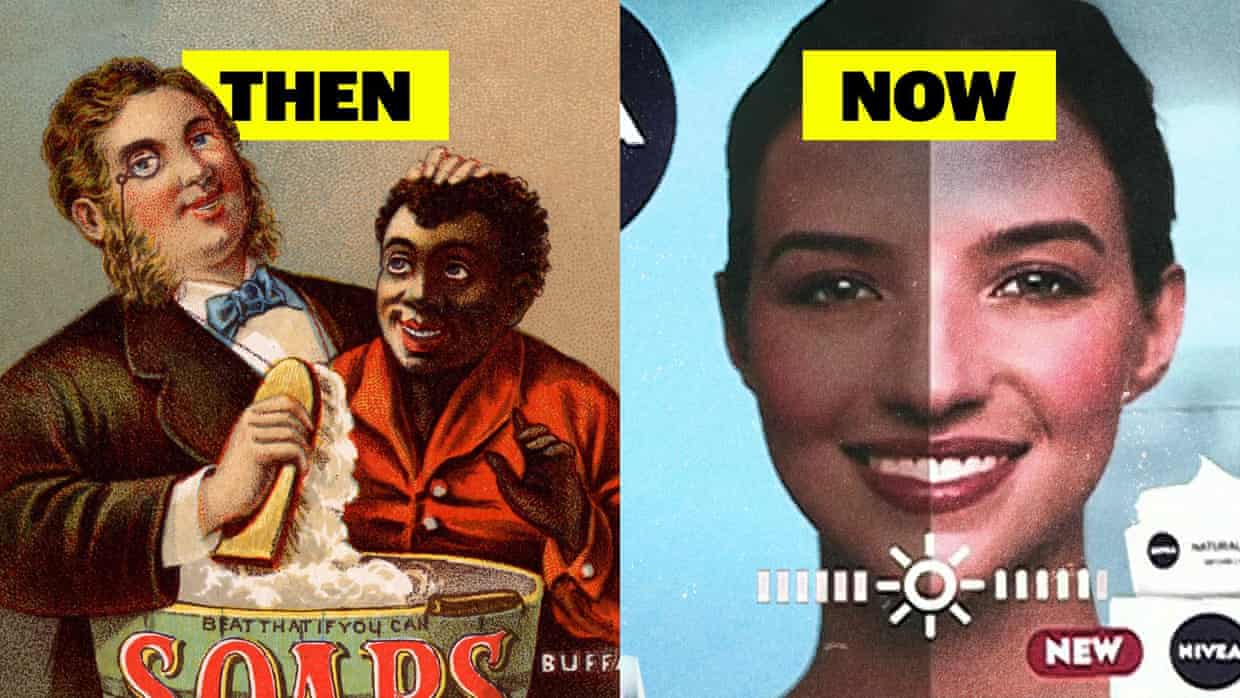
The skin-lightening industry continues to thrive despite serious health risks associated with its products. Recent findings indicate a troubling increase in cancers and permanent skin damage among women of colour, who often use unregulated items marketed to them. This issue is not new; it has been documented for years, raising questions about the persistent appeal of these products.
Historical Context of Skin Lightening
The practice of skin lightening has deep historical roots, intertwined with colonialism and classism. According to research by Josh Toussaint-Strauss, the beauty industry has long leveraged these historical narratives to promote its products. The messaging suggests that lighter skin equates to beauty, success, and social status. This notion, entrenched in societal norms, continues to influence purchasing decisions, particularly among marginalized communities.
As the global beauty industry expands, it capitalizes on these outdated beliefs, offering a range of skin-lightening products that promise to enhance appearance. The appeal of these items often overshadows the risks involved, leading consumers to ignore warnings about their harmful effects.
Health Risks and Regulatory Challenges
The dangers posed by skin-lightening products are significant. Many contain hazardous ingredients like mercury and hydroquinone, which can lead to serious health complications. Studies have shown that prolonged use can result in irreversible skin damage, including discoloration and even cancer. Despite this, the lack of regulation in many countries allows these products to remain on the market.
In regions where regulations are stricter, the products often find their way back through online sales, highlighting the challenges of enforcement. The World Health Organization has raised alarms over the increasing prevalence of skin-lightening products, emphasizing the need for stricter regulations to protect consumers.
The beauty industry’s profits from this practice raise ethical questions about its responsibility towards consumer safety. While the allure of lighter skin is perpetuated through marketing strategies, the reality of health consequences remains largely unaddressed.
As the conversation around beauty standards evolves, there is a growing demand for awareness and education about the risks associated with skin-lightening products. Advocacy groups are urging consumers to question the narratives promoted by the beauty industry and recognize the historical context behind them.
The continued popularity of these products, despite known dangers, calls for a critical examination of societal values and the need for greater accountability within the beauty sector.











Saintly City Snow Angels Seek Volunteers for Sidewalk Shoveling

Researchers Turn Seashells into Low-Carbon Concrete Solution

San Francisco Files Lawsuit Against Major Ultra-Processed Food Makers

Drivers Warn of Dangers Behind the Wheel of Porsche Carrera GT

Melville Library Honors Student Artist with Commemorative Plaque

Bay High School Celebrates 98 New Inductees into National Honor Society

Boys & Girls Club of Lake Tahoe Hosts 4th Holiday Sausage Party

Major Study Reveals Nose Microbiome’s Role in Staph Aureus Risks

Researchers Unveil New Strategy Against Aggressive Blood Cancer

Discover the Top 10 Calorie Counting Apps of 2025

Bella Hadid Shares Health Update After Treatment for Lyme Disease

Erin Bates Shares Recovery Update Following Sepsis Complications

Discover How to Reverse Image Search Using ChatGPT Effortlessly

Discover 2025’s Top GPUs for Exceptional 4K Gaming Performance

Electric Moto Influencer Surronster Arrested in Tijuana

Meta Initiates $60B AI Data Center Expansion, Starting in Ohio

Recovering a Suspended TikTok Account: A Step-by-Step Guide

Tested: Rab Firewall Mountain Jacket Survives Harsh Conditions
-
 Technology5 months ago
Discover the Top 10 Calorie Counting Apps of 2025
-
 Health2 months ago
Bella Hadid Shares Health Update After Treatment for Lyme Disease
-
 Health3 months ago
Erin Bates Shares Recovery Update Following Sepsis Complications
-
 Technology4 months ago
Discover How to Reverse Image Search Using ChatGPT Effortlessly
-
 Technology1 month ago
Discover 2025’s Top GPUs for Exceptional 4K Gaming Performance
-
 Technology2 months ago
Electric Moto Influencer Surronster Arrested in Tijuana
-
 Technology5 months ago
Meta Initiates $60B AI Data Center Expansion, Starting in Ohio
-
 Technology5 months ago
Recovering a Suspended TikTok Account: A Step-by-Step Guide
-
 Health4 months ago
Tested: Rab Firewall Mountain Jacket Survives Harsh Conditions
-

 Lifestyle5 months ago
Belton Family Reunites After Daughter Survives Hill Country Floods
-

 Technology4 months ago
Harmonic Launches AI Chatbot App to Transform Mathematical Reasoning
-

 Technology3 months ago
Uncovering the Top Five Most Challenging Motorcycles to Ride